
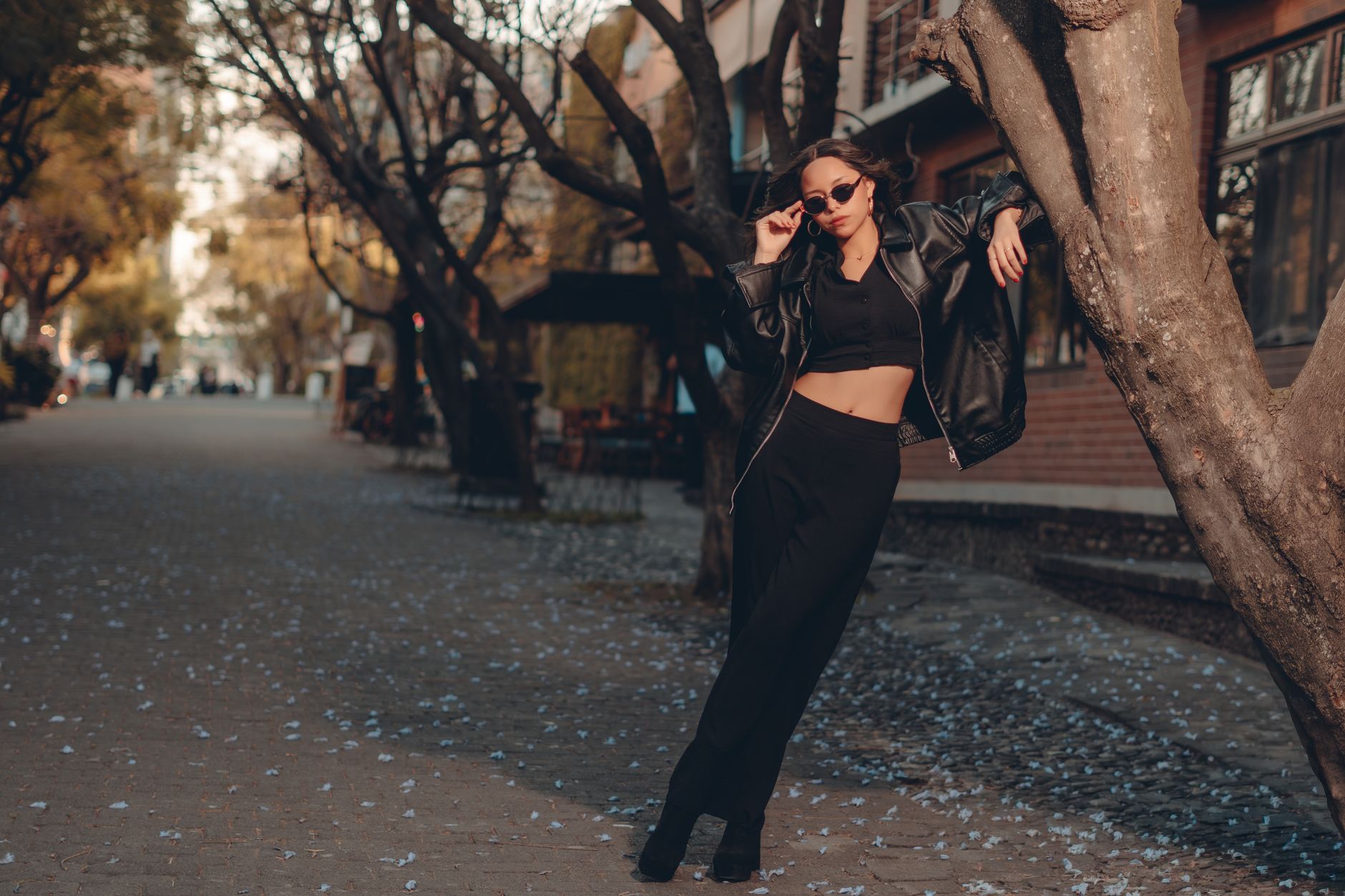
When it comes to fashion, understanding your body type and how it interacts with styles and trends is crucial. For those who identify as petite, which typically refers to individuals under 5’4″ (162.5 cm), finding the right outfits that enhance proportions can sometimes feel overwhelming. This article will guide you through styling tips, outfit ideas, and wardrobe essentials specifically tailored for petite frames.
We’ll explore various facets of styling that cater to petite sizes, ranging from color coordination and silhouette choices to seasonal dressing and occasion-specific outfits. Whether you are looking to refresh your wardrobe or optimize your outfit combinations, this guide will serve as a comprehensive resource.
What Height Is Considered Petite?
Petite height is generally considered to be 5’4″ (162.5 cm) or shorter, although different brands and designers may vary slightly in their interpretations. It’s essential to remember that petite fashion trends aim to accommodate shorter proportions, focusing on fit, balance, and enhancing the overall silhouette.
Understanding Fit and Proportion
When dressing a petite frame, understanding fit and proportion is pivotal. A well-fitted garment will always look more polished than something that does not complement your shape. Here are key aspects to keep in mind:
- Tailoring: Invest in a good tailor for adjustments. This can transform off-the-rack pieces into perfectly fitting garments that enhance your silhouette.
- Proportional Cuts: Look for styles that elongate your figure. This includes high-waisted pants, crop tops that showcase your waistline, and A-line skirts.
- Vertical Lines: Opt for clothing with vertical stripes or seams, as these create an elongating effect.
Wardrobe Essentials for Petite Styles
Cultivating a collection of wardrobe staples that work well for petite frames can make getting dressed easier and more enjoyable. Here are some essentials to consider:
- High-Waisted Trousers: They elongate the legs and define the waist, creating a balanced look.
- Fitted Blazers: A tailored blazer adds structure and polish, perfect for both professional and casual occasions.
- Mini Dresses: Shorter hemlines create an illusion of length, particularly when paired with the right footwear.
- Pointed-Toe Flats: These shoes elongate the legs and are versatile for both casual and formal wear.
- Cropped Jackets: A cropped fit helps accentuate the waist, creating a flattering silhouette.
Capsule Wardrobe for Petites
Creating a capsule wardrobe simplifies your dressing choices while ensuring you have versatile options. Here’s a simplified approach to building a petite-friendly capsule wardrobe:
- Base Layer: Choose fitted, neutral-colored tees and turtlenecks as foundational layers.
- Bottoms: Incorporate high-waisted jeans, tailored trousers, and skirts that fit well in your waist and flatter your legs.
- Statement Pieces: Select colorful blouses or printed dresses to bring life to your wardrobe.
- Outerwear: A structured trench coat or a fitted leather jacket is perfect for layering and adds to your overall silhouette.
- Accessories: Choose statement necklaces or oversized earrings to draw attention upwards.
Color Coordination and Layering
Using color strategically can enhance your petite stature. Here’s how to coordinate colors effectively:
- Monochromatic Looks: Dressing in the same color palette from head to toe creates a vertical line that elongates your appearance.
- Light vs. Dark: Dark colors can create a slimming effect, while bright colors can highlight features. Balance is key!
- Layering Wisely: When layering, avoid bulky fabrics. Opt for lightweight materials that maintain a streamlined look.
Seasonal Dressing Tips
Each season brings unique opportunities to showcase your personal style. Here’s how to maintain a petite-friendly aesthetic throughout the year:
Spring/Summer
- Light Dresses: Flowing, lightweight fabrics with a defined waist can highlight your figure without overwhelming it.
- Shorts: Choose tailored shorts that hit mid-thigh for a flattering fit.
- Open-toed Shoes: Opt for heeled sandals or wedges that add height.
Fall/Winter
- Layered Looks: Use fitted turtlenecks as bases and layer with structured outerwear.
- Boots: Knee-high or ankle boots can add length and work well with fitted pants or skirts.
- Scarves: Use scarves to add dimension without bulk.
Workwear Essentials
Professional attire can be challenging for petite individuals. Here are some workwear essentials that strike the right balance between style and professionalism:
- Pencil Skirts: These create a classic silhouette that flatters a petite frame.
- Tailored Blouses: Opt for fitted options to maintain a clean and structured look.
- Structured Dresses: A well-fitted dress punctuates your figure and is easy to style with blazers.
Casualwear for Petites
Integrating comfortable yet stylish pieces into your casual wardrobe can make everyday dressing effortless. Consider these options:
- High-Waisted Jeans: Pair these with tucked-in shirts for added leg length.
- Basic Tees: Freshen up with fitted tees or tank tops that define your shape.
- Oversized Sweaters: Choose cropped or fitted styles to ensure you don’t look swallowed up by fabric.
Formalwear and Occasion Dressing
Dressing for formal events can be a challenge, but it’s an opportunity to express your style. Use these tips to navigate formalwear:
- Evening Gowns: Opt for fit-and-flare styles that draw attention to your waist and create an hourglass effect.
- Maxi Dresses: A well-tailored maxi can elongate your silhouette, especially when styled with heels.
- Accessories: Choose statement bags and jewelry that bring focus back to your face.
Modest Fashion for Petites
If you prefer modest fashion, the key is to find pieces that balance coverage with style. Here are essential styling strategies for modest looks:
- A-Line Dresses: These provide coverage while creating a balanced silhouette.
- Layering Pieces: Long cardigans or kimono jackets can add style while providing modest coverage.
- Smart Accessories: Use belts or sashes to define the waist without compromising coverage.
Petite Menswear Style
While most discussions focus on petite women’s fashion, men’s petite styles also deserve attention. The same principles of fit, proportion, and color apply, so consider the following:
- Tailored Clothing: Invest in fitted blazers and dress pants that define your shape.
- Shirts: Opt for well-fitted shirts to avoid looking loose or baggy.
- Shorter Lengths: Look for shorter hem lengths in trousers and jackets to flatter your stature.
Footwear for Petites
The right shoes can elevate any petite outfit. Consider these options:
- Block Heels: They provide comfort and add height without compromising stability.
- Wedges: These are great for adding height while maintaining comfort during long wear.
- Flats: Select pointed-toe styles to elongate your legs while ensuring comfort.
Accessorizing for Height Balance
Accessories can dramatically affect your overall look. Here’s how to choose pieces wisely:
- Statement Belts: Use these to cinch the waist and highlight your shape.
- Long Necklaces: These elongate the torso and draw attention upwards.
- Proportional Bags: Avoid oversized bags that can overwhelm your frame; choose medium or small-sized options.
Choosing Fabrics Wisely
The decisions you make regarding fabric can influence how your outfit sits on your body. Here are some fabric recommendations:
- Lightweight Fabrics: Look for materials with a natural drape, such as jersey or silk, for flattering fits.
- Structured Materials: Fabrics like cotton blends or tailored wool can create elegant shapes.
- Avoid Bulk: Steer clear of heavy, bulky fabrics that can make a petite figure appear overwhelmed.
Garment Care Tips
Taking care of your clothes helps maintain their fit and appearance. Here’s how to keep your petite wardrobe in top condition:
- Check care labels for washing instructions to avoid shrinking.
- Use a gentle detergent and wash clothes on a delicate cycle to preserve their quality.
- Air dry garments when possible; avoid high heat to prevent damage.
- Store clothes correctly—fold heavier items and hang lighter, structured pieces.
Shopping Tips for Petites
Shopping for petite sizes can be challenging, but with the right approach, you can find stylish and flattering pieces. Here are some tips:
- Know Your Measurements: Keep a current size chart for quick reference while shopping.
- Explore Petite Sections: Look for brands that offer dedicated petite lines for better-fitting options.
- Be Open to Alterations: Buying slightly larger pieces is acceptable, as a tailor can make adjustments.
Exploring fashionable outfits, styling ideas, and essential items is just the beginning of refining your petite style. Remember to play with different combinations that resonate with your personal expression and comfort!
To enhance your style further, consider checking out what petite means or how to style wide-leg pants for a chic look.