
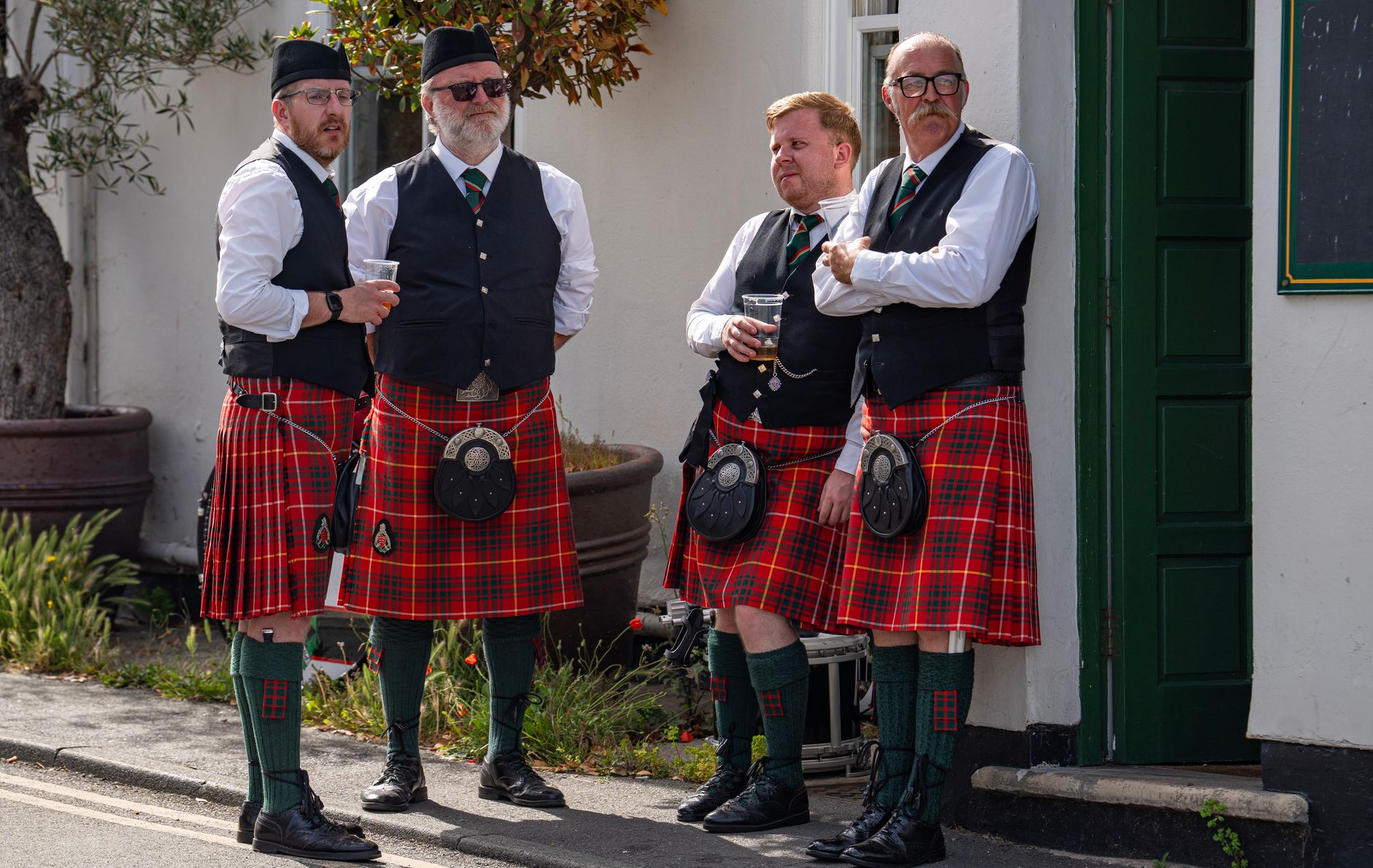
A kilt is a traditional Scottish garment, typically made of wool, featuring a distinctive pleated design at the back. Originally worn by men, kilts have evolved over time and are now embraced by individuals of all genders, becoming a symbol of Scottish heritage and culture.
Beyond its cultural significance, the kilt has gained traction in modern fashion, finding its way into casual wear and even formal occasions. This article explores the meaning of a kilt, offers outfit inspiration, and provides practical styling tips for integrating this unique garment into your wardrobe.
What Is a Kilt?
A kilt is a knee-length skirt-like garment with pleats at the back, traditionally made from woolen fabric in tartan patterns. Though its roots lie in Scotland, it is now appreciated in many parts of the world. The kilt is characterized by its distinctive pleats and is typically worn with a belt, sporran, and other accessories, contributing to a complete look.
The kilt dates back to the 16th century and was originally designed for Scottish Highland men. However, over the years, it has become more versatile, often worn by women and even children in various settings, both formal and casual.
The Significance of Kilts in Culture and Fashion
Kilts hold deep cultural significance, representing Scottish heritage and history. Traditionally, specific tartan patterns were associated with particular clans, making the kilt a symbol of family and lineage. In addition to its cultural roots, the kilt has become a fashionable statement piece, celebrated for its versatility and ability to highlight an individual’s unique style.
Material and Fabric Choices
When it comes to selecting a kilt, the choice of fabric is crucial. Here are some common materials used for kilts:
- Wool: The traditional fabric for kilts known for its durability and warmth. Wool kilts, especially those that are heavyweight, are perfect for colder weather.
- Cotton: Lighter and cooler, cotton kilts are suitable for summer or warmer climates. They offer breathability while maintaining a classic look.
- Synthetic fabrics: These kilts often blend materials to mimic the look of wool while providing moisture-wicking and quick-drying properties, making them suitable for active wear.
Choosing the Right Kilt Style
Depending on the occasion and personal style, there are various kilt styles to consider:
- Traditional Kilt: Worn for formal events and ceremonies, characterized by pleats and often made from heavy woolen tartan fabric. It includes accessories like a sporran, kilt hose, and a jacket.
- Casual Kilt: A more relaxed version, often made from lighter fabrics and available in solid colors or patterns. Ideal for everyday wear or casual outings.
- Utility Kilt: This modern take on the kilt incorporates pockets and durable materials, blending practicality with style. Great for outdoor activities or casual gatherings.
- Kilted Skirt: These are often embraced in women’s fashion, providing a flared silhouette while preserving the pleated design of traditional kilts.
Outfit Inspiration for Wearing a Kilt
Now that we’ve explored the essence and styles of kilts, let’s dive into some outfit ideas tailored for various occasions:
Casual Looks
A casual outfit with a kilt can be stylish and comfortable. Consider the following combinations:
- Casual Day Out: Pair a denim kilt with a fitted graphic tee and white sneakers. Accessorize with a crossbody bag for a laid-back vibe.
- Weekend Brunch: Combine a black utility kilt with a relaxed button-up shirt, rolled up at the sleeves, and loafers or comfortable lace-up shoes.
- Outdoor Activities: Opt for a lightweight cotton kilt paired with a simple tank top and sturdy sandals. Ensure the kilt has pockets for convenience.
Workwear Styling
Integrating a kilt into your work wardrobe can be a refreshing touch. Here are some stylish ideas:
- Smart Casual: Pair a traditional tartan kilt with a tailored blazer and a crisp white blouse. Complete the look with ankle boots or low-heeled pumps.
- Creative Office: Wear a utility kilt coupled with a fitted turtleneck and heeled ankle boots. Add statement earrings for a chic touch.
Formal Events
For formal occasions, kilts can be styled elegantly:
- Weddings: A classic Scottish outfit with a traditional kilt, a waistcoat, a formal shirt, and a jacket. Complete the look with dress shoes and a sporran.
- Formal Dinner: Go for a heavier wool kilt paired with a tuxedo shirt and a fitted jacket. Consider wearing knee-high kilt hose and brogues.
Seasonal Dressing with Kilts
Kilts can be adapted to different seasons by changing the styling approach and fabric:
- Summer: Opt for lighter weight cotton kilts paired with breathable fabrics like linen or cotton blouses. Sandals or espadrilles would be great footwear options.
- Autumn/Winter: Layer a wool kilt with thermal tights, knee-high boots, and a chunky knit sweater for warmth. A tailored coat can complete the look.
Fit and Comfort Considerations
When choosing a kilt, fit and comfort are vital. Here are some tips to ensure the perfect fit:
- Waist Measurement: Measure your waist where the kilt will sit, typically at the belly button level. Ensure not to confuse this with your pant size.
- Length: A traditional kilt’s length falls just above or below the knee. Consider your height to determine the above or below-the-knee preference.
- Movement: Ensure that the pleats allow for comfortable movement. A well-fitted kilt should not restrict your stride.
Accessorizing Your Kilt Look
Accessories can enhance your kilt outfit, adding personal flair and functionality:
- Sporrans: A traditional kilt accessory designed to carry items. Choose from leather, fur, or fabric options depending on formality.
- Kilt Hose: These are knee-high socks often worn with kilts. Opt for knitted styles in coordinating colors with your kilt.
- Belts: A wide leather belt can add structure and style to your kilt and balances the outfit.
- Jewelry: Consider wearing brooches or pins that reflect your personal style. These can add a bit of personality without overwhelming the outfit.
Garment Care for Kilts
Proper care of your kilt ensures its longevity and preserves its appearance. Follow these care guidelines:
- Read Care Labels: Always follow the care instructions provided on the garment’s label, as they can vary by fabric type.
- Washing: For wool kilts, it’s typically advisable to dry clean them. Cotton kilts may be machine washable on a gentle cycle.
- Storing: When not in use, hang the kilt on padded hangers to retain its shape. Avoid folding to prevent creases.
- Repairs: If the kilt sustains damage, consider professional alterations or repairs, especially for intricate tiling or fabric patterns.
Shopping for Kilts
When shopping for a kilt, keep the following in mind:
- Quality: Look for kilts made from high-quality fabrics. A well-constructed kilt can be a lasting addition to your wardrobe.
- Budget: Kilts come in a range of prices. Set a budget and shop accordingly, keeping in mind the typical cost for quality fabric.
- Size Variations: Sizing can vary greatly among brands. Always consult size charts and carefully check the provided measurements.
Final Thoughts
By understanding the versatility and styling options of the kilt, you can effortlessly incorporate this iconic piece into your wardrobe. Whether dressing up for a formal gathering or dressing down for a casual outing, the kilt offers a unique expression of style.
As you explore wearing a kilt, consider the outfit combinations provided and adapt them to suit your personal aesthetic. An approachable yet distinctive outfit can easily be achieved, allowing you to celebrate both individuality and cultural heritage.
Explore related outfit ideas, styling tips, or fashion guides to enhance your wardrobe!