
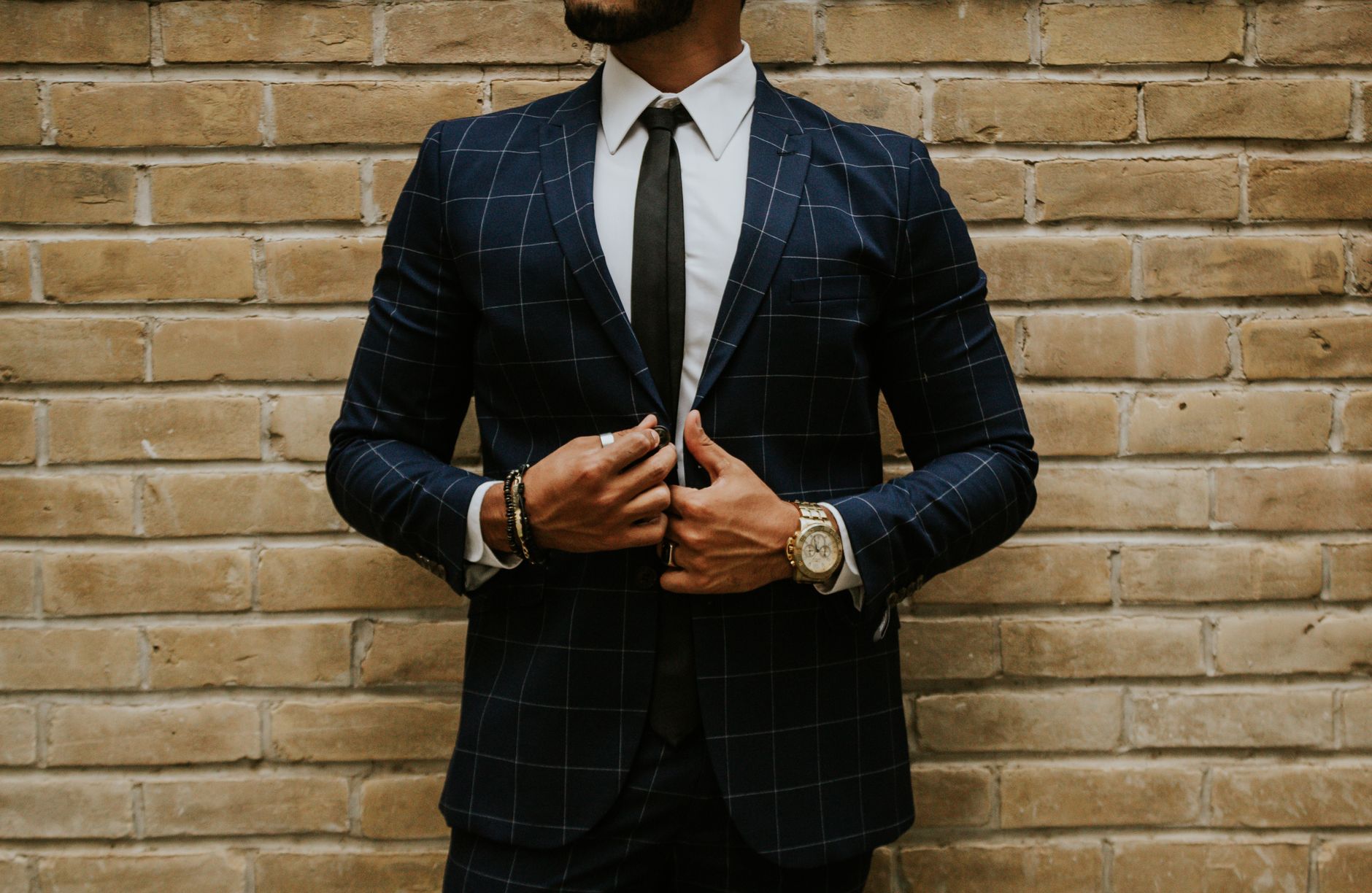
Semi-formal attire strikes a balance between formal and casual wear, making it a versatile choice for various occasions. It often applies to evening events, weddings, and some workplaces, allowing for personal expression while adhering to specific dress codes.
Understanding the nuances of semi-formal attire can make a significant difference in your style. Here, you will learn the meaning, appropriate outfit examples for different genders, and tips on how to nail semi-formal looks, ensuring you always dress appropriately for any occasion.
What Is Semi Formal Attire?
Semi-formal attire is a dress code that invites a polished appearance without requiring the rigidity of black-tie formal wear. Typically, it means tailored clothing that leans toward sophistication while still allowing room for more relaxed pieces, reflecting personal style and comfort.
In practical terms, it usually refers to outfits such as suits and ties for men or cocktail dresses and tailored separates for women, but the precise interpretation can vary based on cultural context and the type of event. Generally, semi-formal occasions occur in the evening, although some daytime events may also call for this dress code.
Understanding the Components of Semi Formal Attire
To effectively put together semi-formal outfits, it’s essential to know the key components. Each piece should harmonize to achieve that ideal alignment of polished yet approachable style.
For Men
- Suits: Opt for a well-fitted suit in dark or neutral colors such as navy, charcoal, or black. Fabrics can vary from wool to lightweight blends depending on the season.
- Ties and Pocket Squares: These accessories can add a personal touch. Choose ties that complement your shirt and suit, while pocket squares can add a dash of color or pattern.
- Shoes: Leather shoes, such as oxfords or brogues, are ideal. They should be polished and in line with the overall color scheme.
- Grooming: Hair should be neat, and facial hair well-groomed. Attention to detail enhances the overall presentation.
For Women
- Dresses: A cocktail dress or a midi dress with elegant design often works well. Seek styles that flatter your silhouette without being too revealing.
- Trousers and Blouses: For an outfit alternative, tailored trousers paired with a chic blouse can be equally stylish. Consider fabrics with some structure but remain comfortable.
- Accessories: Statement jewelry—like a bold necklace or elegant earrings—can complete your ensemble. A fitted blazer can also elevate your look.
- Footwear: Elegant heels or dressy flats work well, but ensure they are comfortable enough for prolonged wear.
- Hair and Makeup: A polished hairstyle and tasteful makeup complete your overall aesthetic and ensure you feel confident.
Seasonal Considerations for Semi Formal Attire
Adapting your semi-formal attire to various seasons not only enhances comfort but also aligns with the prevailing fashion trends. Here’s how to style it through the seasons:
Spring/Summer
- Choose lightweight fabrics like linen, cotton, or lightweight blends to stay cool.
- Pale colors and floral patterns for women’s dresses or lighter shades in suits can evoke a refreshing look.
- Men might opt for lighter suits paired with light-colored shirts to both complement the season and keep comfortable.
Fall/Winter
- Consider fabrics such as wool, cashmere, or blends that provide warmth.
- Dark colors become prevalent, with richer hues like burgundy, forest green, or navy.
- Layering is key: women can incorporate a fitted coat or a stylish cardigan, while men might add tailored overcoats.
Color Coordination for Semi Formal Outfits
The key to semi-formal attire is understanding color coordination. A cohesive color palette enhances the sophistication of your look.
Basic Principles of Color Coordination
- Monochromatic: Stick to varying shades of one color, such as different tones of blue, for a sleek look.
- Complementary: Pair colors that are opposite on the color wheel, like navy and coral, to create a striking contrast.
- Analogous: Use colors next to each other on the wheel, like blue and green, for a harmonious appearance.
Layering for Style and Comfort
Layering isn’t just for winter; it can also add depth to semi-formal outfits year-round. Here’s how to layer smartly:
Effective Layering Techniques
- For Men: Start with a well-fitted undershirt, layer with a dress shirt, and finish with a suit jacket. Adding a tailored overcoat can elevate your outfit in colder temperatures.
- For Women: Begin with a fitted dress or tailored trousers and blouse, followed by a structured blazer or an elegant cardigan. Scarves can also serve as stylish layers.
- Accessorizing can provide additional layers without overwhelming the outfit; think watches, bracelets, and scarves that accentuate the overall look.
Styling Semi Formal Attire for Different Occasions
Semi-formal attire is particularly flexible, making it suitable for various events. Below are examples of how to style it for specific occasions.
Weddings
- For women’s attire, a floral cocktail dress is perfect, complemented by elegant heels and a clutch. Men may opt for a dark suit with a tie or bowtie, adding a pocket square for flair.
- Consider the wedding’s theme and setting—outdoor weddings may invite lighter fabrics and colors, while a ballroom wedding might lean towards richer tones.
Business Functions
- For work-related events, keep it understated yet professional. Women should look for tailored trousers and a blouse, while men can select a classic suit and tie.
- In more creative fields, adding unique accessories can showcase personal style.
Evening Parties
- A chic midi dress or jumpsuit for women is a splendid option, especially when paired with statement earrings. Men can play with colorful suits or unique patterns.
- Footwear matters, so opt for comfortable yet stylish choices, like block heels or polished loafers, to comfortably mingle.
Practical Tips for Choosing Semi Formal Attire
When selecting semi-formal outfits, keep these practical tips in mind:
Fit and Proportion
- Ensure clothing fits well—a tailored look always appears more polished.
- Consider body proportions; opt for complementary cuts that enhance your best features.
Choosing Fabrics Wisely
- Opt for breathable fabrics for summer, while heavier textiles are ideal during winter months.
- Check the fabric care—fabrics like silk or wool may require special care compared to cotton or blends.
Creating a Capsule Wardrobe for Semi Formal Attire
A capsule wardrobe focusing on semi-formal pieces can streamline dressing and increase cohesion in outfits.
- Start with foundational items: tailored suits for men and versatile dresses or trousers for women.
- Build around a cohesive color palette, allowing for mixing and matching with ease.
- Invest in quality accessories that can enhance multiple outfits.
Garment Care for Semi Formal Attire
Proper maintenance of your semi-formal attire ensures longevity and preserves appearance.
General Care Practices
- Always check garment labels for specific care instructions.
- Laundering suits often require dry cleaning to maintain fabric integrity, while some dresses may be machine-washable on delicate settings.
- Store clothes properly, hanging suits and dresses in breathable garment bags to avoid creasing.
The Evolution of Semi Formal Attire
Historically, semi-formal attire evolved as society began valuing comfort alongside formality.
A Brief History
- In the early 20th century, semi-formal attire began to distinguish itself as social gatherings diversified, determining dress codes based on the occasion and time.
- The rise of cocktail parties in the 1920s contributed to the streamlined silhouette for dresses and suits, influencing how individuals approached semi-formal dressing.
Common Mistakes to Avoid with Semi Formal Attire
Avoiding a few common pitfalls can help you achieve a polished look:
- Steering away from overly casual garments such as jeans or casual sneakers.
- Avoid clothes that are too tight or loose; proper fit is essential.
- Don’t over-accessorize—let one or two pieces shine instead of overwhelming your ensemble.
Conclusion
Semi-formal attire offers a fantastic way to express your personal style while adhering to dress codes. By understanding the nuances of fit, color, fabric, and occasion, you’re well on your way to curating exceptional outfit choices.
It’s time to try out a classic look by experimenting with outfit combinations or consider giving your wardrobe a thoughtful edit, ensuring you have versatile pieces ready for any occasion. Explore additional outfit ideas and styling tips for various occasions and dress codes!
For more information on dressing for different occasions, check out business casual attire and learn about smart casual dress codes.