
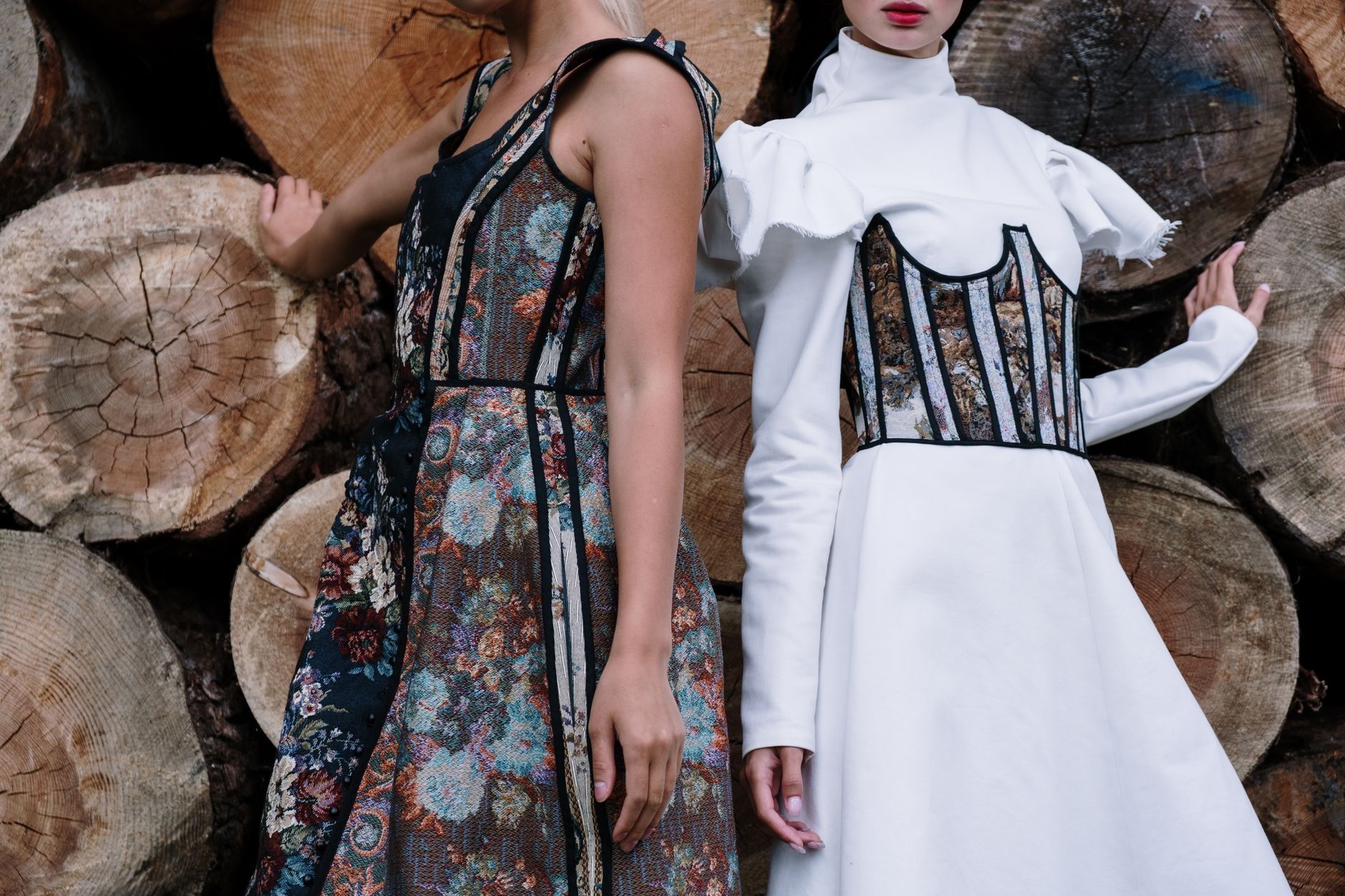
Couture is a term synonymous with high fashion, custom designs, and exquisite craftsmanship. Often associated with the elite fashion houses of Paris, couture brings together artistry and skill to create stunning garments that fit the wearer perfectly. This article will delve into the meaning of couture, explore examples, and inspire you with outfit ideas that encapsulate this elegant style.
Whether you’re attending a formal event or simply want to infuse a bit of couture into your everyday wardrobe, understanding the principles behind couture can elevate your clothing choices and overall aesthetic. Let’s begin by defining what couture is and its significance in the fashion world.
What Is Couture?
Couture, from the French word “coudre,” meaning “to sew,” refers to the creation of custom-fitted clothing made with exceptional craftsmanship and artistry. In the fashion world, the term signifies garments made by high-end fashion designers that are often one-of-a-kind and tailored specifically for a client. Couture pieces are presented at fashion shows and cater to an elite clientele, symbolizing luxury and individual style.
There are two main types of couture: haute couture and atelier couture. Haute couture refers to garments made by esteemed fashion houses that adhere to strict regulations set by the Chambre Syndicale de la Haute Couture. To be classified as haute couture, designers must create made-to-measure clothing, use high-quality fabrics, and employ skilled artisans in their creation process.
Atelier couture, on the other hand, often represents a less formal approach but still emphasizes craftsmanship and customization. These pieces may not meet the stringent standards of haute couture yet still offer individuality and quality. Understanding these distinctions allows you to appreciate the various dimensions of couture fashion better.
The History of Couture
The history of couture dates back to the mid-19th century, largely credited to Charles Frederick Worth, an English designer who established the first haute couture house in Paris. Worth revolutionized fashion by introducing the concept of designer labels, presenting collections, and having clients visit showrooms to select fabrics and styles. His influence paved the way for iconic houses like Dior, Chanel, and Givenchy, which would dominate the fashion landscape for decades.
Throughout the 20th century, couture evolved and adapted to reflect cultural changes and societal shifts. Post-World War II, Christian Dior’s “New Look” showcased a silhouette that emphasized femininity, promoting a return to classic luxury. As the decades progressed, designers began to marry traditional couture techniques with modern-day aesthetics, further pushing the boundaries of fashion creativity.
Couture vs. Ready-to-Wear
While couture focuses on individual craftsmanship and exclusivity, ready-to-wear (prêt-à-porter) signifies mass-produced clothing sold in standard sizes. Ready-to-wear collections are more affordable and accessible for the everyday consumer. They embody current trends while simplifying the design process. Understanding the differences between these two categories can help you navigate the fashion landscape better, allowing you to make more informed buying decisions.
Examples of Couture in Fashion
Many renowned fashion houses are synonymous with couture and have built their legacies around this exquisite craftsmanship. Here are a few notable examples of couture brands and their signature styles:
- Chanel: Known for its timeless elegance, Chanel’s couture collections often feature classic silhouettes, tweed fabrics, and luxurious embellishments that reflect Gabrielle “Coco” Chanel’s influence on women’s fashion.
- Christian Dior: Dior is famous for its “New Look,” which celebrates the female form with voluminous skirts, cinched waists, and elegant lines. The brand epitomizes femininity in couture fashion.
- Givenchy: With a focus on sophisticated silhouettes and innovative design, Givenchy’s couture pieces often incorporate intricate details and luxurious fabrics, striking a balance between modern and classic styling.
- Valentino: Known for its romantic aesthetic, Valentino often features breathtaking gowns with intricate lacework, soft draping, and striking colors that evoke a sense of drama and elegance.
Understanding Couture Fabrics and Construction
The choice of fabric is crucial in couture fashion, as it impacts the drape, movement, and overall feel of the garment. Here are some common fabrics and their features:
- Satin: Known for its luxurious sheen and smooth texture, satin is often used in evening gowns and formal wear.
- Lace: Adding intricate detail and feminine touch, lace can be used as an overlay or a centerpiece in many couture designs.
- Silk: One of the most coveted materials in fashion, silk is breathable and drapes beautifully, often enhancing the elegance of couture garments.
- Tulle: A lightweight, net-like fabric often used in voluminous skirts and layering to create an ethereal effect.
- Velvet: This rich-textured material offers depth and softness, making it a popular choice for winter couture collections.
Couture garments are typically created using high-quality construction techniques, making the final product both durable and exquisite. Hand-sewing is often employed, and specific finishing techniques, such as blind hems and bound seams, are used to elevate the garment’s craftsmanship.
Outfit Inspiration: Incorporating Couture Elements into Your Wardrobe
You don’t need to don an entire couture gown to enjoy elements of couture fashion in your everyday outfits. Here are some ideas to incorporate haute couture inspiration into your style:
Casual Ensemble with a Couture Touch
For a chic casual look that nods to couture, consider the following outfit combination:
- A tailored blazer – Opt for a fitted blazer in a classic color such as black or navy.
- A silk blouse – Choose a silk or satin blouse with a subtle pattern to elevate the look.
- High-waisted tailored trousers – Select trousers that fit well and feature a wide-leg silhouette for a sophisticated touch.
- Pointed-toe flats or low heels – Choose elegant footwear that complements the overall outfit.
- Minimalist jewelry – Add fine gold or silver jewelry to keep it understated yet classy.
This outfit is perfect for a brunch or a casual office environment where you want to look polished without being overly formal.
Formal Event Glamour
If you’re preparing for an evening affair, consider an outfit inspired by couture gowns:
- A floor-length evening gown – Look for gowns that feature intricate details like beading or lace overlays.
- Stiletto heels – Choose heels that complement the gown’s color, creating an elongated silhouette.
- Statement clutch – Select a small clutch with embellishments to hold your essentials while adding glam to your outfit.
- Bold earrings – Opt for chandelier or drop earrings to bring attention to your face.
This ensemble is ideal for events such as weddings, galas, or formal receptions.
Workwear with a Couture Edge
You can achieve a haute couture-inspired look while remaining professional with these pieces:
- A tailored sheath dress – This silhouette enhances the body’s shape and serves as a versatile base.
- A fitted blazer – Pair your dress with a matching or contrasting tailored blazer for a cohesive look.
- Classic pumps – Invest in a good quality pair of pumps to amp up the elegance.
- Structured handbag – Choose a chic handbag that balances functionality with style.
This outfit works well for meetings, business events, or workplaces that emphasize formal attire.
Casual Chic for Everyday Wear
To incorporate couture into your everyday wear without too much formality, try this easy combination:
- A fitted turtleneck or cashmere sweater – Choose a luxurious fabric to elevate this staple.
- A pleated midi skirt – Pleats add movement and sophistication to your casual look.
- Combat boots or sleek ankle boots – Mix comfort and style while keeping it trendy.
- A crossbody bag – Opt for a chic leather bag that completes the ensemble effortlessly.
This combination is perfect for running errands, meeting friends, or enjoying a casual night out.
Layering and Color Coordination
Layering is fundamental in achieving a polished look without compromising on comfort. When integrating couture influences into your outfits, consider the following:
- Start with a base layer that fits well. Opt for neutral colors as a foundation.
- Add tailored outerwear, such as a structured coat or blazer, to add shape.
- Incorporate textures by mixing materials, such as pairing silk with wool or cotton with leather.
- Color coordination is key; stick to a cohesive palette of three to four colors and incorporate varying shades to create depth.
When layering for transitional weather, ensure your fabrics are breathable and comfortable. Lightweight materials like cotton blends are perfect for summer, while wool and cashmere mixtures work well for cooler months.
Garment Care and Maintenance
Investing in couture garments means committing to proper care to preserve their quality. Here are essential tips for maintaining your pieces:
- Read care labels: Always follow the care instructions provided on labels for the best results.
- Dry clean: Most couture garments require dry cleaning; consult a professional cleaner experienced in delicate fabrics.
- Store properly: Use padded hangers to maintain the structure of fitted pieces and avoid hangers that may cause marks.
- Protect from sunlight: Store garments away from direct sunlight to prevent fading and fabric damage.
- Handle with care: Avoid pulling on straps, zippers, and seams to prevent any alterations or damage.
By implementing these garment care practices, you can ensure your couture pieces retain their beauty and longevity.
Shopping for Couture Pieces
When it comes to shopping for couture clothing, knowing where to look is essential. Consider the following avenues:
- High-end boutiques: Seek out local boutiques that specialize in couture collections for personalized service and tailored advice.
- Fashion weeks: Attend fashion weeks to get firsthand insight into the latest couture collections and connect with designers.
- Designer outlets: Some luxury brands have outlet stores where you can find past season pieces at a reduced price.
- Online platforms: Sites specializing in luxury apparel often have couture selections, but ensure they offer secure purchasing options.
While shopping, always consider your personal style, fit, and budget. Couture is often an investment, so take your time choosing pieces that reflect your aesthetic and can be worn across multiple occasions.
Conclusion
Couture fashion represents the pinnacle of style, craftsmanship, and individuality. Understanding its meaning, significance, and how to incorporate its elements into your own wardrobe can enhance your overall aesthetic. Whether dressing for a formal event or adding touches of luxury to your everyday wear, couture principles encourage you to embrace elegance and style.
By combining knowledge of fit, fabrics, layering, and outfit inspiration outlined here, you can confidently curate a wardrobe that reflects your unique identity. Consider trying one of the suggested outfit combinations, invest time in understanding garment care, and shop thoughtfully to elevate your personal style. Fashion is an expression of yourself, and couture can be a beautiful part of that journey.
For more inspiration on elegant looks and trendy outfit ideas, explore how to create elegant looks and learn how to style a leather jacket.