
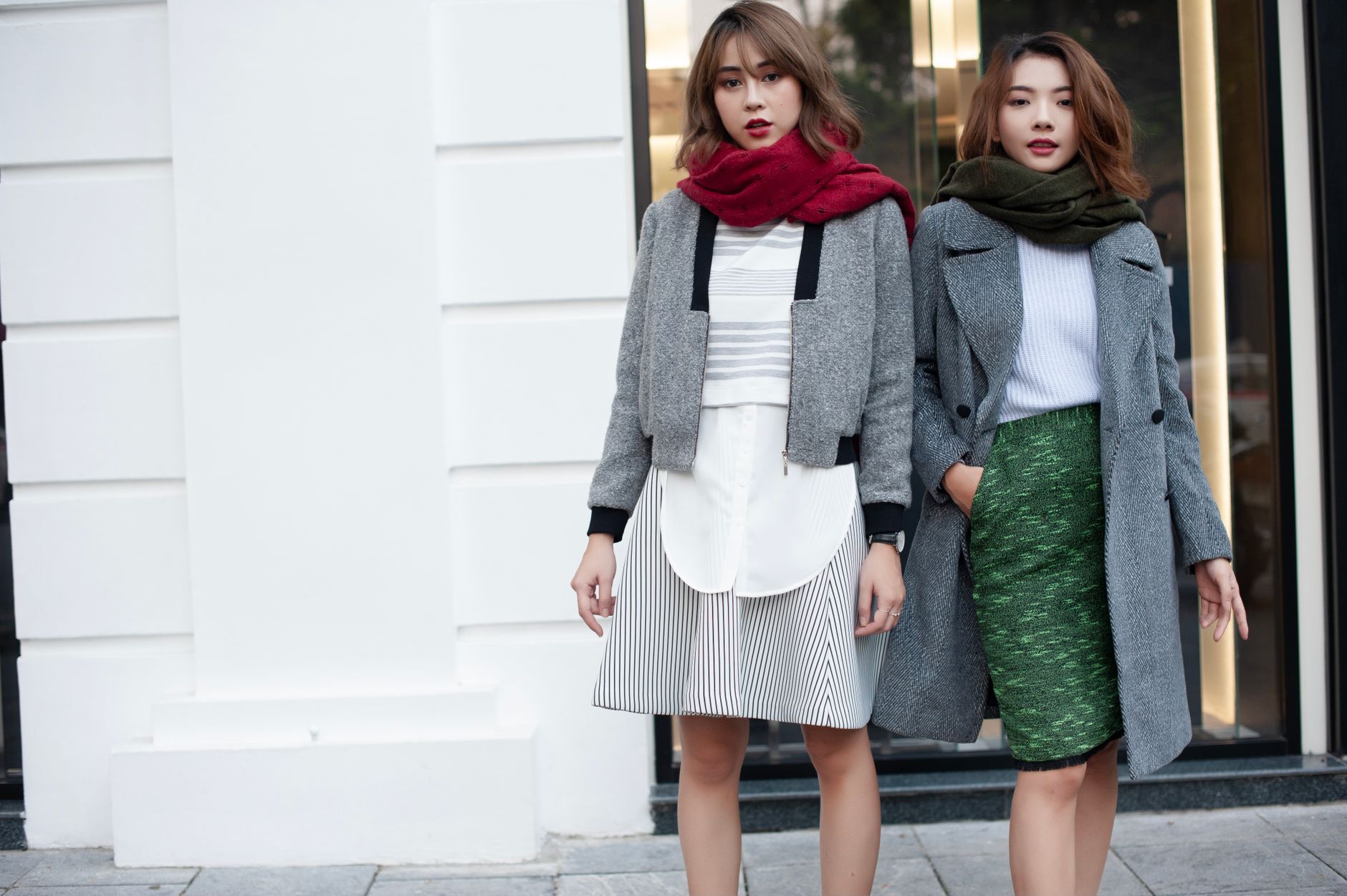
Scarves are one of the most versatile accessories you can add to your wardrobe. They not only provide warmth but also serve as a stylish enhancement to any outfit. From casual looks to formal wear, scarves can transform an ensemble with just a simple knot or fold.
This guide will explore how to wear a scarf, offering easy styling ideas and practical tips that anyone can incorporate. Whether you prefer lightweight fabrics or chunky knits, understanding various scarf styles will enable you to express your personal fashion sense effortlessly.
How to Wear a Scarf?
Wearing a scarf can elevate your look in numerous ways, whether you choose to drape it, knot it, or wrap it. Consider the occasion, the season, and your outfit when choosing the right way to wear a scarf.
Understanding the Basics of Scarves
Scarves come in various styles, materials, and sizes. Knowing the differences can help you make better decisions when integrating them into your outfits.
- Types of Scarves:
- Infinity Scarf: Loop around your neck for a continuous look.
- Square Scarf: Traditionally used for headwear but can be worn as a neck accessory.
- Lapel Scarf: Small, often decorative scarves that accentuate blazers and coats.
- Long Scarf: Versatile length for various tying methods, perfect for layering.
- Materials:
- Wool: Great for warmth in winter.
- Cotton: Lightweight and breathable, ideal for warmer months.
- Silk: Luxurious feel, perfect for formal occasions.
- Cashmere: Soft, warm, and elegant, a luxurious option for cooler weather.
- Sizes:
- Small: Perfect for headwear or as a decorative neck piece.
- Medium: Versatile for multiple styling options.
- Large: Can be used as a wrap or shawl, excellent for layering.
How to Style a Scarf: Easy Ideas
The following sections outline various ways to wear scarves for different occasions. Experiment with the styles that resonate with your personal taste.
Casual Outfits
For a relaxed, everyday look, consider these scarf styles:
- The Loop: Take a long scarf, drape it around your neck, and loop one end through to create an effortless look. This works well with denim jackets or tees.
- Knot It: Fold the scarf in half, wrap it around your neck, and pull the loose ends through the loop created by the fold. This adds texture and works great with cardigans or casual coats.
- Draped over the Shoulder: Drape a lightweight scarf over one shoulder for a carefree vibe. This works best with simple outfits like a t-shirt and jeans.
Formal Wear
Here are ways to elevate an outfit for more formal occasions:
- The Classic Knot: Drape a silk scarf around your neck and tie it in a classic knot. Pair it with a fitted blazer for a polished look.
- Wrap as a Shawl: For dresses or blouses, use a large scarf as a shawl draping over your shoulders. This adds an elegant touch, particularly with sleeveless tops.
- Lapel Scarf: For a chic look, tie a small scarf around the lapel of your blazer. This adds personality without overwhelming your outfit.
Seasonal Dressing
Consider how to adapt your scarf style to suit the seasons:
- Winter: Thick, knitted scarves work well here. Opt for a chunky knit infinity scarf wrapped twice around the neck for extra warmth.
- Spring: Lightweight cotton or silk scarves in bright colors can add a refreshing touch to your outfit. Try wrapping them loosely and letting the ends hang.
- Summer: Light, airy scarves can be worn as headbands or wrist wraps, adding flair without added warmth. A lightweight silk scarf is ideal for this.
- Autumn: Scarves in rich hues can be knotted or draped. A plaid scarf adds seasonal texture to your outfit.
Color Coordination with Scarves
Choosing the right colors is essential when styling outfits with scarves. Here are tips for effective color coordination:
- Complementary Colors: Choose colors opposite on the color wheel for vibrant contrast. For instance, a purple scarf with a yellow outfit can look striking.
- Analogous Colors: Colors next to each other on the color wheel create a more subtle, harmonious look. For example, a blue scarf pairs well with a green top.
- Monochromatic Look: For a sophisticated appearance, wear varying shades of one color. A light blue scarf will look elegant against a navy outfit.
- Patterns and Textures: Mixing patterns can be striking. Match a striped scarf with a floral top, keeping the rest of your outfit neutral.
Layering with Scarves
Layering is a key skill in fashion that can be enhanced with scarves:
- Under a Coat: Layer a scarf underneath coats for warmth. Choose a long scarf and let it peek out for a cozy aesthetic.
- Layering with Chunky Knitwear: Pair a chunky knit sweater with a long scarf to balance proportions. It adds depth to your look while keeping you warm.
- Combining Textures: Pair a sleek silk scarf with a wool coat to mix textures. This creates visual interest without complicating your outfit.
Accessorizing with Scarves
Scarves are incredibly versatile and can be paired with various accessories to enhance your look:
- Jewelry: Minimalist jewelry pairs well with intricate scarf designs. Consider delicate necklaces or stud earrings that won’t compete with your scarf.
- Belts: Use a scarf as a belt to cinch waistlines of dresses or overcoats. This creates a tailored silhouette.
- Hats: A scarf can also make a chic headwrap when folded and knotted. This accessory combo works well with both casual and dressed-up outfits.
- Footwear: Consider footwear that complements the style of your scarf. An elegant scarf pairs well with heels, while a casual one works with sneakers.
Occasion Dressing with Scarves
The versatile nature of scarves makes them suitable for various occasions; here’s how to adapt:
Workwear
- Professional Settings: Opt for structured scarves in solid colors or subtle patterns. A silk scarf under a blazer looks sophisticated.
- Casual Work Environments: A colorful or patterned scarf can express your personality. Use it around your neck or tie it to your handbag for a playful touch.
Weekend Outings
- Brunch or Shopping: A vibrant, lightweight scarf can accent a comfy outfit. Wrap it around your neck or tie it in a loose knot to keep it playful.
- Outdoor Events: Choose thicker scarves that can also work as wraps in cooler weather, allowing you to enjoy your outing comfortably.
Formal Events
- Weddings: A silk or embellished scarf can elevate a formal dress. Drape it loosely over your shoulders for a classic touch.
- Dinner Parties: Pair a scarf in a luxurious material with your evening wear to add a touch of elegance while staying warm.
Caring for Your Scarves
Proper care will ensure your scarves remain in great condition for years to come:
- Read Care Labels: Each fabric may have specific care requirements. Always follow them to maintain quality.
- Washing: Hand wash delicate fabrics like silk or cashmere in cold water with mild detergent. For sturdier materials like cotton, machine wash on a gentle cycle.
- Drying: Avoid using dryers for most scarves. Air dry by laying flat or hanging, ensuring they maintain their shape.
- Storing: Fold or roll scarves instead of hanging to prevent stretching. Store them in a cool, dry place away from direct sunlight to avoid fading.
Shopping for Scarves
When purchasing scarves, consider factors that influence your choice:
- Budget: Scarves come at various price points. Quality often reflects in the price, but plenty of beautiful scarves are available at accessible prices.
- Versatility: Look for scarves that can pair with multiple outfits to get the most value. Neutral colors and classic patterns often fit this requirement.
- Fabric Quality: Pay attention to fabric types. Luxurious materials like cashmere or silk can be worth the investment for their durability and style.
- Trends vs. Timelessness: Choose scarves that reflect your style. Trends can be fun, but classic styles will serve you longer.
Conclusion
Scarves are a wonderful way to add personality and style to any outfit. By understanding the different types, fabrics, and how to effectively incorporate them into your wardrobe, you can enhance both casual and formal looks. Try mixing and matching scarves with your existing pieces to discover new outfits and self-expression.
For more outfit ideas and styling tips, explore our other guides on accessories, layering techniques, and seasonal dressing.