
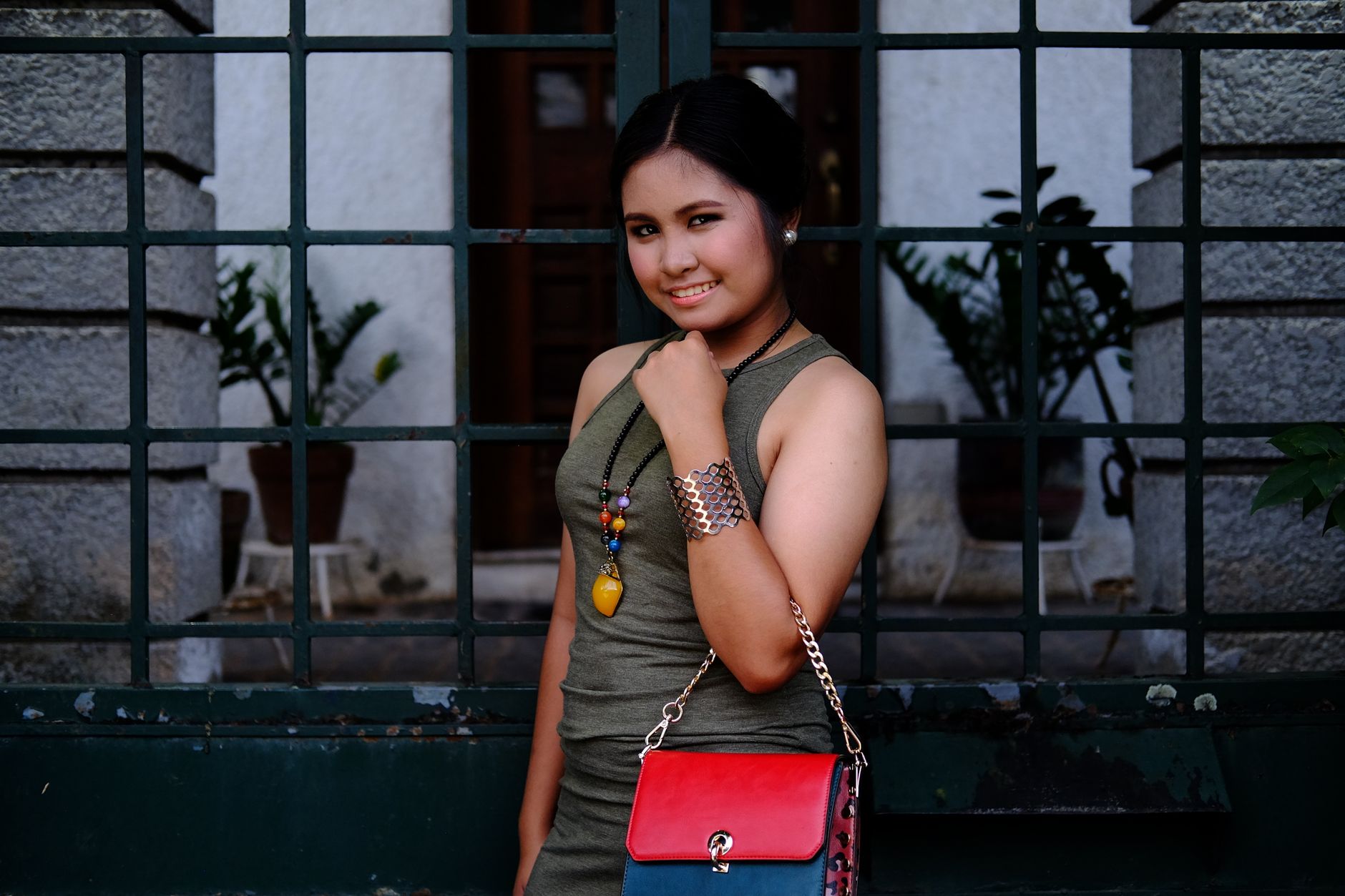
Accessorizing can elevate an outfit from ordinary to exceptional, showcasing your unique style and attention to detail. Knowing how to accessorize outfits effectively can help you express your personality and adapt your look for different occasions. In this guide, we’ll explore various accessory types, outfit combinations, and practical styling tips that will simplify your dressing routine.
From statement jewelry to the perfect handbag, accessories play a crucial role in completing your look. We’ll delve into outfit formulas that consider your wardrobe essentials, color coordination, and seasonal dressing so you can maximize your style effortlessly.
How to Accessorize Outfits: What Are the Key Principles?
Accessorizing begins with understanding the key principles of balance, proportion, and harmony. Here are some foundational concepts to keep in mind:
- Balance: Aim to balance bold accessories with simpler, understated pieces. A statement necklace can energize a minimalist outfit, while delicate jewelry can complement a vibrant dress.
- Proportion: Ensure your accessories correspond in size and scale to your outfit. If you’re wearing a fitted dress, consider petite accessories, whereas loose-fitting clothing can handle larger statement pieces.
- Color Harmony: Use color coordination to your advantage. Accessories should either complement or provide contrast to your clothing in a way that feels intentional.
Understanding Accessory Types
Before you can master the art of accessorizing, it’s essential to know the various types of accessories available. Here’s a list to guide you:
- Jewelry: Necklaces, earrings, bracelets, and rings can add sparkle and personality to any outfit.
- Bags: From clutches to totes, your choice of bag can dictate the mood of your outfit.
- Belts: A versatile accessory that can define your waistline and alter the silhouette of your clothing.
- Scarves: Great for adding texture and color, scarves are also functional in cooler weather.
- Hats: A stylish way to express your personality while also offering protection from the elements.
- Shoes: The foundation of any outfit, your choice of footwear significantly influences overall style.
Outfit Formulas for Accessorizing
To simplify accessorizing, you can follow specific outfit formulas. Here are a few to consider based on occasions and outfit types:
Casual Outfits
- Outfit Formula: Jeans + T-shirt + Sneakers
- Accessories: A crossbody bag, a pair of hoop earrings, and a denim jacket can add layers and interest. Opt for a patterned scarf tied in your hair or around the bag for added flair.
Workwear
- Outfit Formula: Tailored Blazer + Trousers + Blouse
- Accessories: Choose a structured tote, classic pumps, and minimalistic jewelry. Introduce a silk scarf or brooch on your blazer for a touch of elegance without overwhelming your look.
Formalwear
- Outfit Formula: Evening Gown + Heels
- Accessories: Statement earrings, a clutch, and a wrap can enhance your outfit. Consider coordinating metallic tones that match your jewelry with your shoe choice for cohesiveness.
Weekend Outfits
- Outfit Formula: Maxi Dress + Sandals
- Accessories: Layered necklaces and a floppy hat can create a chic vibe. Add oversized sunglasses for a sophisticated look.
Color Coordination Tips for Accessories
Choosing the right colors for your accessories can significantly impact your outfit. Here are some strategies for effective color coordination:
- Complementary Colors: Use the color wheel to find complementary colors that can enhance your overall look. For example, orange hues pair beautifully with blue tones.
- Analogous Colors: Select accessories in colors that sit next to each other on the color wheel for a harmonious effect. For instance, green and yellow make a fresh, vibrant pairing.
- Neutrals: Black, white, beige, and gray accessories can ground an outfit. They are great for balancing bold colors and patterns.
Layering Accessories
Layering is an art that can add depth and interest to your outfits. Here’s how to do it right:
- Jewelry Layering: Combine different lengths and styles of necklaces. For bracelets, mix materials like metal and leather.
- Scarf Layering: Use the scarf as a belt, headband, or wrap around your bag handle. Experiment with various tying methods.
- Hat Layering: Pair a wide-brimmed hat with a fedora or beanie, depending on the season, to achieve a stylish multi-layered look.
Accessorizing for Seasonal Dressing
Your choice of accessories can vary dramatically between seasons. Here’s a season-by-season guide:
Spring
- Accessories: Light scarves, pastel bags, and floral-patterned jewelry add freshness to outfits. Sunglasses protect against glare while enhancing sunlit looks.
Summer
- Accessories: Opt for breathable materials like straw hats and sand-colored sandals for a light aesthetic. Colorful, beaded jewelry complements vibrant summer outfits.
Autumn
- Accessories: Layer with thicker scarves and cozy knit caps. Timberland-style boots provide warmth while looking stylish.
Winter
- Accessories: Warm gloves and wool scarves are essential. Consider statement coats or jackets, adding brooches or pins for personalization.
Occasion Dressing and Accessorizing
Different occasions call for different accessories. Here’s a break down:
Casual Gatherings
- Choose accessories that feel relaxed but stylish, such as ankle boots, casual bags, or minimal jewelry.
Weddings
- Opt for elegant clutches, refined jewelry, and dress shoes. Remember that the embellishments should be subtle, allowing your outfit to shine.
Parties
- A bold necklace or chandelier earrings can enhance party attire, creating an eye-catching focal point.
Modest Fashion and Accessorizing
For those who prefer a modest style, accessorizing plays a vital role. Here are some tips to make it work:
- Layer Wisely: Use longer layers under dresses, such as fitted turtlenecks or long-sleeved blouses.
- Belts: A belted waist can provide structure without compromising modesty.
- Prints and Textures: Mix patterns and fabrics to create visual interest, even within the bounds of modesty.
Accessorizing Menswear
While the principles of accessorizing apply across genders, men’s outfits often require different approaches:
- Watches: A good-quality watch adds elegance and personality to any outfit.
- Ties and Pocket Squares: These accessories allow men to incorporate colors or patterns subtly.
- Shoes: Footwear should reflect the occasion, from casual loafers to formal oxfords, significantly affecting overall style.
Footwear: The Foundation of Outfits
Shoes are not merely functional; they can also dramatically change the tone of an outfit. Consider these key points:
- Style and Comfort: Choose footwear that reflects your personal style while being comfortable enough for wear throughout the day.
- Color Coordination: Shoes that match the color of your accessories or clothing can create a cohesive look. On the other hand, contrasting shoes can add a focal point.
- Quality Matters: Invest in well-constructed, timeless shoes that will withstand the test of time, both in style and wear.
Fabric Considerations in Accessorizing
The right fabric choices can elevate your accessories significantly. Here are the main points:
- Breathability: In warmer months, choose lighter fabrics like linen for scarves and cotton for bags to avoid overheating.
- Durability: For everyday items like bags or belts, leather often offers durability, while delicate metals are best for jewelry.
- Texture: Mixing textures can enhance visual appeal. Pair smoother fabric clothing with textured accessories like woven bags or chunky jewelry.
Garment Care and Maintaining Accessories
Proper care ensures your accessories remain in optimal condition. Consider these tips:
- Cleansing: Clean metal jewelry with a soft cloth and avoid exposing it to harsh chemicals. Hand wash fabric bags, following care instructions carefully.
- Storage: Keep accessories in dry, clean areas away from direct sunlight. Use pouches for jewelry to avoid scratches.
- Repairs: Address any wear and tear immediately. Small repairs can prolong the life of your favorite pieces.
Common Accessorizing Challenges and Solutions
Even the best can encounter accessorizing difficulties. Here are some common issues and how to tackle them:
- Overwhelming Accessories: When in doubt, opt for minimalism. Choose one statement accessory rather than overcrowding.
- Mismatch: If your accessories clash with your outfit, stop and remove an element. Less is often more.
- Unworn Items: It’s easy to forget accessories. Regularly review your collection and ensure that pieces are visible and accessible.
Embracing Your Personal Style
Your style is unique, and accessorizing is an opportunity to showcase that individuality. Follow these tips to enhance your personal flair:
- Experiment: Don’t hesitate to try new combinations. Take fashion risks to discover what you love.
- Get Inspired: Look at fashion icons or influencers whose styles resonate with you, adapting elements you like into your wardrobe.
- Stay True to You: While trends can be fun to explore, your comfort and confidence should remain the bottom line.
Accessorizing outfits can seem overwhelming at first, but by understanding the principles and strategies discussed in this article, you can build a diverse and expressive wardrobe. Remember to enjoy the styling process and embrace your individuality!
To start, try experimenting with an outfit combination from the casual or workwear section based on your next outing. You’ll soon discover how your accessories can transform not only your outfit but your overall confidence. If you want more ideas on wearing accessories, check out these guides on how to wear a scarf and how to wear a beanie.