
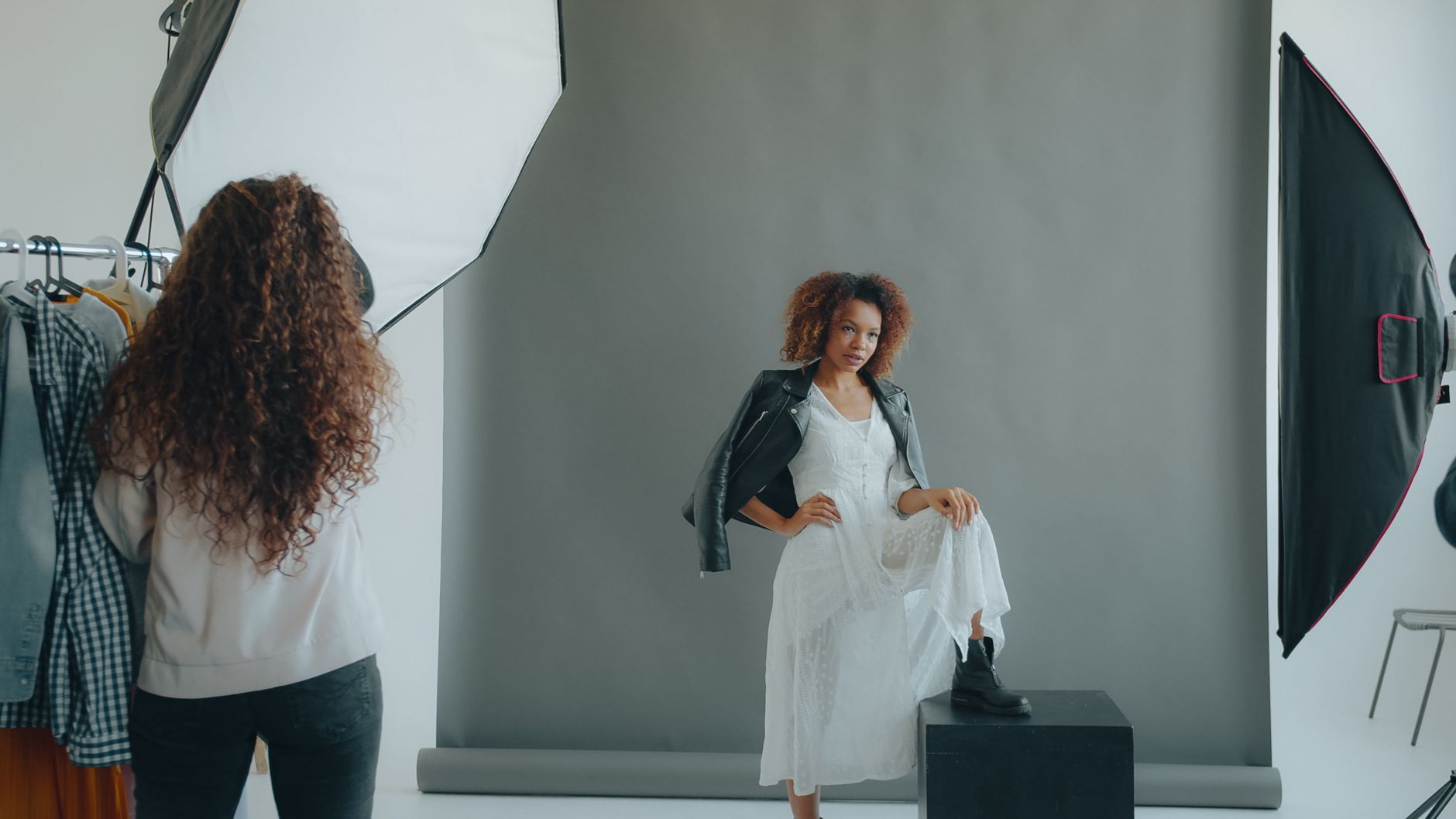
Starting a modeling career can be an exciting venture filled with opportunities for self-expression and creativity. However, navigating this path requires an understanding of the industry, requisite skills, and an effective strategy to break into modeling. This guide will walk you through essential steps, necessary skills, and expert tips to start modeling.
From the basics of what modeling entails to practical steps for building your portfolio and networking, this guide aims to provide you with a comprehensive overview to kickstart your modeling career.
How to Start Modeling?
To start modeling, you should follow a structured approach that includes assessing your suitability for the industry, building a strong portfolio, finding the right agency, and honing your skills. Taking informed steps can accelerate your journey into modeling successfully.
Understanding the Modeling Industry
The modeling industry consists of various types and niches, from fashion modeling on runways to commercial modeling for advertisements. Each niche has its own requirements, styles, and expected skills. Understanding these categories will help you identify which area is right for you.
Different Types of Models
- Fashion Models: Typically work in runway shows or high-fashion editorial shoots. They usually possess striking features and a tall, slender physique.
- Commercial Models: Appear in advertisements, catalogs, and commercials. This category is broad and often includes models of all shapes, sizes, and ages.
- Plus-Size Models: Represent fashion brands catering to larger sizes. This segment highlights body positivity and inclusivity.
- Petite Models: Generally stand under 5’7″ and often focus on commercial modeling. This niche has gained traction with brands targeting shorter audiences.
- Fitness Models: Focus on showcasing athletic wear and fitness conditions. They typically have well-toned physiques and great stamina.
Essential Steps to Start Your Modeling Career
1. Self-Assessment
Before diving into modeling, perform a self-assessment. Consider your body type, facial features, and personality. Ask yourself the following questions:
- Are you comfortable in front of the camera?
- Do you have the height and physique required for your desired niche?
- How do you handle criticism and rejection?
Having a clear understanding of your strengths and weaknesses will set the foundation for your modeling journey.
2. Building a Portfolio
Your modeling portfolio is your visual resume. It should showcase your versatility and unique look. Follow these guidelines to create a strong portfolio:
- Professional Photos: Hire a professional photographer experienced in fashion photography. Ensure you have a mix of headshots, full-body shots, and different poses.
- Variety of Looks: Include a range of looks that highlight your versatility—think different styles, outfits, and locations.
- Quality Over Quantity: Aim for a portfolio with 10-20 high-quality images instead of hundreds of mediocre ones.
3. Finding Representation
Many aspiring models work with agencies to gain access to better opportunities. Here’s how to find a suitable modeling agency:
- Research Agencies: Look for agencies that align with your niche. Browse their roster to see if they work with models like you.
- Submit Your Portfolio: Most agencies have online submission forms where you can submit your portfolio and personal details.
- Avoid Scams: Be cautious of agencies asking for upfront fees. Legitimate agencies earn their commission through bookings.
4. Networking
Modeling is as much about networking as it is about talent. Make connections with photographers, stylists, makeup artists, and other models. Attend industry events, workshops, and fashion shows to expand your network.
- Social Media: Utilize platforms like Instagram to showcase your work and connect with industry professionals.
- Modeling Meetups: Participate in local events or workshops to learn from established models.
5. Improving Your Skills
Modeling is a skill that can be cultivated over time. Here are ways to enhance your skills:
- Pose Practice: Study magazine spreads and try to replicate the poses. Practice in front of a mirror to understand your body angles.
- Walk Training: If you’re interested in runway modeling, learning to walk can set you apart. Practice your runway walk, focusing on posture and confidence.
- Take Classes: Consider enrolling in modeling classes that teach basic skills, etiquette, and industry knowledge.
Essential Skills for Aspiring Models
In addition to physical attributes, certain skills are crucial for a successful modeling career:
- Confidence: Models must exude confidence in their appearance and abilities. It helps in facing auditions, interviews, and shoots.
- Adaptability: The ability to switch looks, styles, and moods easily is key to impressing agencies and clients.
- Communication: Strong communication skills help you understand client expectations and collaborate effectively on set.
- Professionalism: Being punctual, prepared, and respectful is essential in any professional setting, especially in modeling.
Expert Tips for Breaking Into Modeling
1. Keep it Real
It’s tempting to alter your appearance with excessive filters or heavy makeup in photos. However, agencies are looking for authenticity. Present yourself accurately to avoid disappointment during casting calls.
2. Know Your Worth
Understand the significance of your unique traits. Whether it’s your height, body type, or cultural background, these differences can be your selling point.
3. Develop a Personal Brand
Your personal brand should reflect your style and personality. Curate your social media presence and consider a specific aesthetic that resonates with your modeling niche.
4. Stay Informed
The fashion industry is ever-evolving. Stay informed about trends, upcoming designers, and industry news. Participate in discussions and seek knowledge. This information can help you stand out.
5. Maintain Physical Fitness
Physical appearance is paramount in modeling. Maintain a balanced diet and engage in regular exercise to keep yourself fit and energized. Ensure your routines align with your specific modeling niche and requirements.
6. Practice Your Bio
You may need to introduce yourself in various scenarios. Prepare a brief but compelling bio that highlights your unique attributes and modeling goals. Practice this until it feels natural.
Common Challenges and How to Overcome Them
Modeling can come with its set of challenges, but being prepared can make a difference:
Dealing with Rejection
Rejection is a common occurrence in modeling. Understand that it is not personal, and every no gets you closer to a yes. Focus on constructive feedback and improve where needed.
Balancing Personal Life
A modeling career may require irregular hours and traveling. Keep a healthy balance between work and personal life by setting boundaries and designating downtime for yourself.
Handling Criticism
Criticism can be tough to navigate, especially in a visual industry. Cultivate a thick skin and learn to view feedback as a tool for growth rather than a personal attack. Remaining open-minded will help you adapt and evolve.
Dressing for Photoshoots and Castings
Your appearance is paramount in modeling, and how you dress can drastically change your chances of success in castings and photoshoots. Here’s how to dress effectively:
Outfit Guidelines
- Neutral Colors: Opt for solid, neutral tones that allow your features to shine without distraction.
- Well-Fitting Clothes: Ensure your outfits fit well and are tailored to your body. Avoid overly baggy or tight clothing.
- Minimal Accessories: Keep jewelry and accessories to a minimum unless specified otherwise by the client.
- Comfort: Prioritize comfort as you may be in various positions. Choose clothing materials that don’t restrict movement.
Garment Care for Models
Taking care of your clothing is essential, especially as a model. Here are some tips for garment care:
- Read Labels: Always follow the cleaning and care instructions on clothing tags to preserve your items.
- Dry Cleaning: For delicate fabrics, consider dry cleaning to avoid damage from washing machines.
- Stain Removal: Address stains immediately with the proper stain treatment methods recommended for specific fabrics.
- Storage: Store clothes neatly in a cool, dry place to preserve their shape and prevent wrinkles.
Final Thoughts on Starting Your Modeling Career
Embarking on a modeling career requires dedication, resilience, and a commitment to continuous learning. Be prepared to invest time and effort into your craft while remaining authentic and true to yourself. By following the steps outlined here, you’ll be better equipped to navigate the challenges of the industry.
Your next step is to assess your readiness and start working on your portfolio. Consider how you want to present yourself and what niche you wish to pursue. With the right approach, you can carve out your own space in the modeling world.
Explore related outfit ideas, styling tips, and fashion guides to further refine your approach to modeling and personal style through links like how to become a model and the qualities of a successful model.