
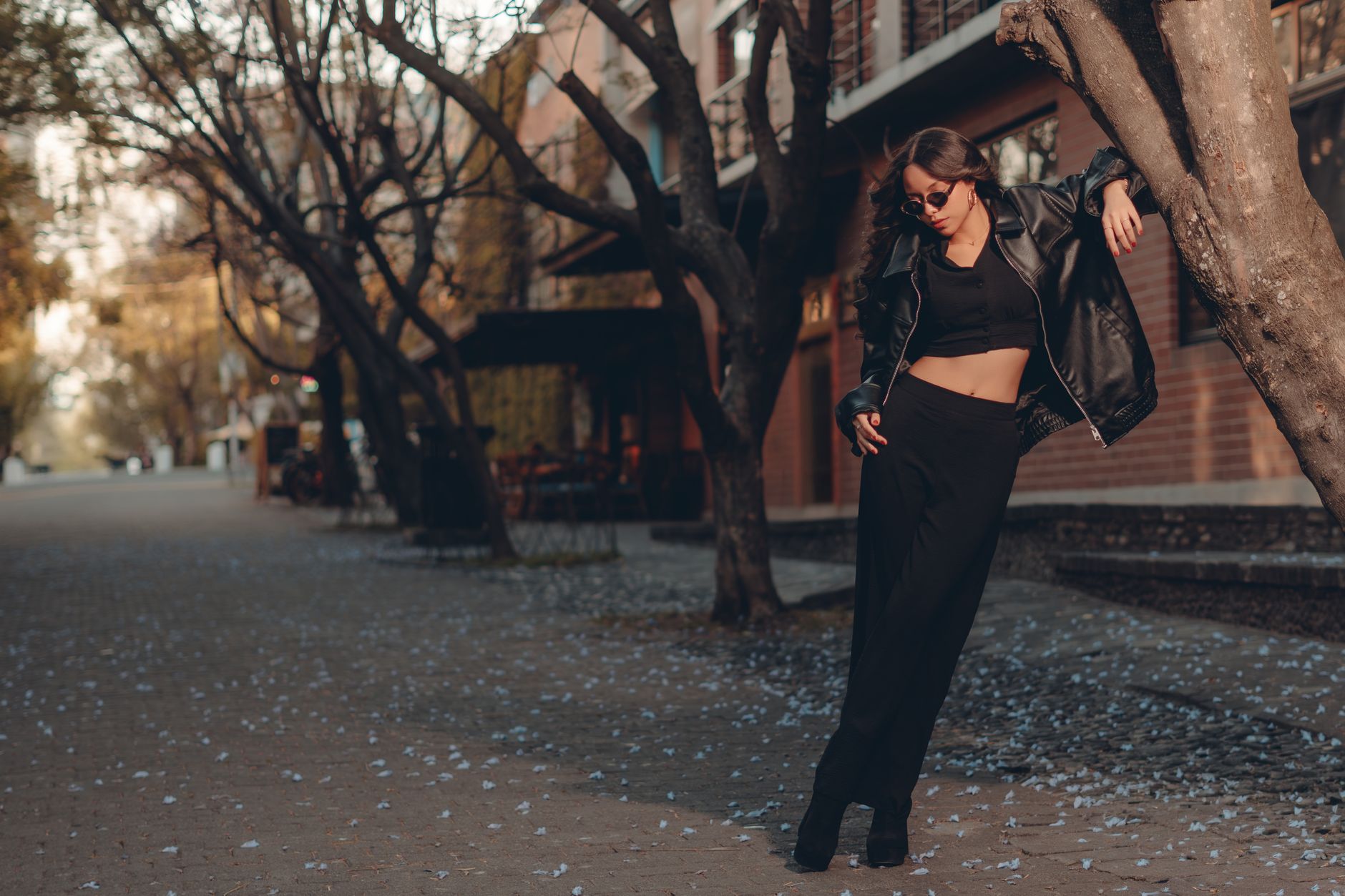
Dressing well is both an art and a science, encompassing everything from choosing the right fabrics to understanding fit and silhouette. Whether you’re navigating a professional environment, attending a special occasion, or simply creating a personal style, knowing how to dress can transform your everyday life. This guide will explore the principles of dressing, provide outfit inspiration, and assist you in understanding your individual style.
As we delve into the intricacies of fashion, keep in mind that dressing is a powerful tool for self-expression. By blending your preferences with practical guidance, you’ll be able to form a wardrobe that truly represents who you are.
What Does “How to Dress” Mean?
The phrase “how to dress” refers to the ability to choose clothing that suits an individual’s body type, lifestyle, occasion, and personal style. This involves understanding various factors such as fit, color coordination, fabric choices, and style elements that can elevate any outfit. It equips you with the knowledge to dress appropriately for different settings while reflecting your unique identity.
Wardrobe Essentials: Building Your Foundation
Before exploring outfit combinations, it’s crucial to establish a strong foundation with wardrobe essentials. These pieces should be versatile, classic, and work well with a variety of looks.
A timeless classic that can be dressed up or down. It’s great for layering and can be paired with nearly anything. These provide a polished yet casual look. Opt for a straight or slim fit for versatility. Adds structure to any outfit. Perfect for professional settings or dressy occasions. A go-to for evening events that can be styled in numerous ways with accessories. Essential for casual wear, combining comfort with style. Great for transitioning through seasons, perfect for smart-casual looks. Ideal for layering and adding warmth without bulk.
Creating a Capsule Wardrobe
A capsule wardrobe consists of a limited number of clothing pieces that can be mixed and matched. This strategy reduces decision fatigue and promotes a cohesive personal style. Aim for about 20-30 pieces, focusing on a color palette that harmonizes well.
Here’s how to approach building your capsule wardrobe:
Consider what outfits serve you daily, including work attire, casual wear, and special occasions. Start with neutral colors like black, white, gray, and beige, then add a few accent colors that complement your skin tone. Look for clothes that can transition from day to night or from casual to formal. Accessories like scarves, hats, and jewelry can significantly change the look of an outfit without taking up much space.
Understanding Fit, Proportion, and Silhouette
The fit is crucial for looking polished. Clothing should skim rather than cling; it’s all about enhancing your shape comfortably. Here’s how to achieve that:
Know your measurements (bust, waist, hips) to find clothes that suit you. Each silhouette requires different styles—understand whether you are a pear, apple, hourglass, or rectangle shape. If wearing loose clothing on top, pair it with fitted bottoms and vice versa to achieve a balanced look.
Color Coordination: Understanding Palettes
Color plays an integral role in outfit creation. Understanding color theory can help you choose combinations that work harmoniously. Here’s a quick guide:
Layering for Depth and Warmth
Layering adds dimension to your look while also allowing for adaptability in changing weather. Here are tips for effective layering:
Start with a fitted base layer, then add a medium layer (like a shirt or knit) and finish with an outer layer (a coat or jacket) for warmth. Combine different fabrics like cotton, wool, and leather to create visual interest. If you’re heading indoors, opt for clothing that’s easy to remove while still coordinating beautifully when layered.
Seasonal Dressing: Adapting to the Weather
Dressing for each season ensures comfort and allows you to stay stylish regardless of the weather. Here are strategies for each season:
Spring
- Lightweight layers are key. Think cardigans over floral dresses or a lightweight trench coat topping off a tee and jeans.
- Incorporate pastel colors to capture the essence of the season, such as mint greens and soft pinks.
Summer
- Opt for breathable fabrics like cotton and linen to keep cool.
- Avoid dark colors that absorb heat; instead, choose light shades for comfort.
Autumn
- Layering becomes prominent; you can mix lightweight sweaters with shirts and add scarves for warmth.
- Earthy tones like burgundy, tan, and olive resonate with autumn’s spirit.
Winter
- Invest in quality outerwear; a structured coat can elevate your winter wardrobe significantly.
- Textures like wool or cashmere add warmth and sophistication to your outfits.
Workwear: Dressing for Professional Success
Navigating dress codes in a professional setting can be challenging. Here’s how to style your office attire:
Pair tailored trousers with a smart top; consider loafers or ankle boots. A well-fitted blazer with matching trousers gives a sharp look. Experiment with patterned shirts to add personality. Opt for fabrics that breathe and allow movement, ensuring you feel at ease throughout your workday.
Casualwear: Everyday Versatility
Casual apparel is often where you can express your style freely. Here are practical combinations for daily dressing:
Classic denim paired with a simple t-shirt can be elevated with a message jacket for extra flair. A t-shirt dress can be layered with a denim jacket, perfect for running errands.
Formalwear: Dressing to Impress
Formal events call for sophisticated attire that balances elegance with confidence. Here’s how to nail the formal look:
Opt for mid-length styles that skim the body. Pair with strappy heels for a polished look. Appropriate accessories, such as clutches for women or cufflinks for men, can refine your outfit.
Occasion Dressing: Understanding Events
Knowing how to dress for specific events is essential to feeling confident. Here are common scenarios and attire suggestions:
Dressing one notch above the company’s regular attire is essential. For corporate roles, a suit is favorable; for more casual environments, smartly tailored pieces would work well. This is an opportunity to showcase your style—long gowns for women and well-fitted tuxedos for men are ideal.
Modest Fashion: Style and Sensibility
Modest fashion emphasizes elegance and personal style while maintaining greater coverage. Here are tips to keep in mind:
- Layering is key; longer cardigans or kimonos paired with maxi dresses offer beautiful coverage while staying fashionable.
- Experiment with textures and colors; there’s no need to stick to monochrome when you can play with patterns and fabrics.
Gender-Inclusive Style: Fashion for Everyone
Fashion should reflect individuality regardless of gender. Here are ways to embrace gender-inclusive styles:
- Choose pieces that resonate with your personal taste rather than adhering to traditional gender norms.
- Layering allows you to mix traditionally masculine and feminine pieces for a balanced look.
Footwear Essentials: Choosing the Right Shoes
Footwear has the power to make or break an outfit. Selecting the right shoes requires considering both style and comfort:
A casual staple that pairs beautifully with jeans or casual dresses. Transitional pieces that work well across seasons, paired with skirts or trousers. A wardrobe must-have that elevates any ensemble; consider a comfortable block heel for added stability.
Accessorizing: Enhancing Your Outfits
Accessories can finish any outfit and provide it with personal flair. Here’s how to effectively accessorize:
Statement necklaces or oversized earrings can transform a simple outfit. Choose bags that are functional yet stylish, balancing practicality with fashion.
Understanding Fabrics: Comfort and Care
When selecting clothing, you must consider fabric choices, as they influence both comfort and the overall look. Here are some essentials to know:
Garment Care: Keeping Your Wardrobe Pristine
Taking good care of your clothes ensures they last longer and maintain their appearance. Here are some general garment care tips:
Always check the care instructions before washing or drying to maintain the fabric’s integrity. Spot clean where possible instead of frequent washes, to preserve the quality. Use hangers for delicate fabrics and keep sweaters folded to avoid stretching.
Understanding how to dress effectively empowers you to create outfits that reflect not just fashion trends, but also your individuality. From selecting essential pieces to mastering the art of layering, all of it contributes to your overall style journey.
Next time you stand in front of your closet, use these guidelines to inspire your outfit combinations. Whether trying different layering techniques, adapting for the season, or thoughtfully choosing accessories, these small adjustments can make a big impact. Explore new outfit combinations to see what resonates with your personal style.
For more inspiration on dressing for specific occasions or styles, explore our guides on what to wear for jury duty or how to dress ’80s with normal clothes. Discovering more outfit ideas and styling tips can help refresh your wardrobe and keep your fashion game strong.