
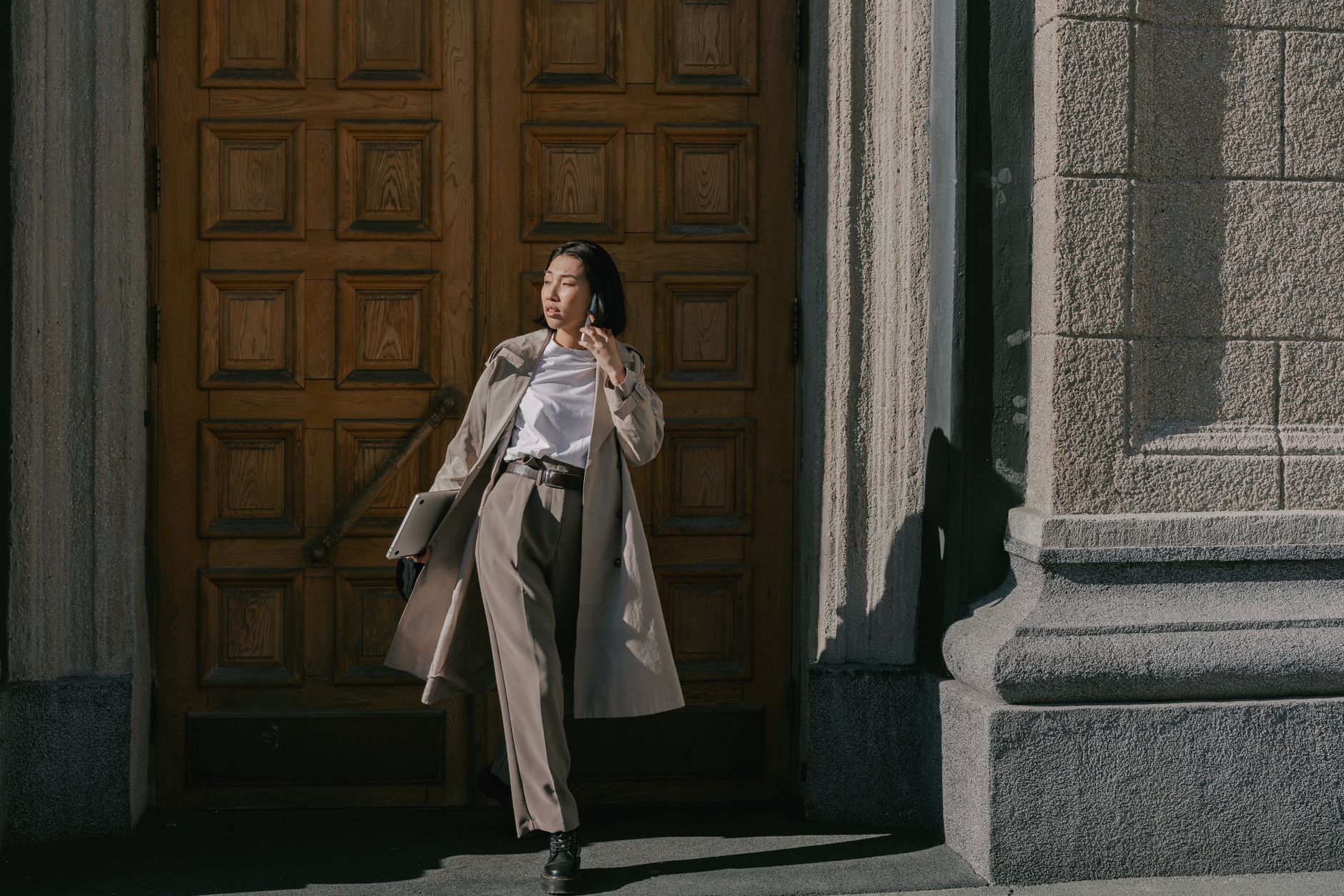
Business casual is a flexible dress code that blends elements of professional attire with a more relaxed style. It’s often adopted in workplaces that want to maintain a polished appearance while also encouraging comfort and personal expression. Understanding what constitutes business casual can help you navigate different work environments with confidence.
This guide will explore essential business casual outfits, wardrobe staples, and style tips to help you create a polished yet approachable look. Whether you are dressing for an office setting, a meeting, or a casual daytime event, mastering business casual will allow you to express your individual style while meeting workplace expectations.
What Is Business Casual?
Business casual incorporates relaxed clothing choices while maintaining a professional appearance. The specifics can vary widely by company culture, industry, and location, but the general idea is to strike a balance between formal and casual attire.
Common characteristics of business casual attire include fitted clothing, appropriate lengths, neutral or subdued colors, and smart details. This dress code is typical in workplaces like tech companies, creative industries, and certain corporate environments that prioritize employee comfort alongside professionalism.
Key Elements of Business Casual Dressing
1. Outfits for Women
Business casual for women generally includes tailored pieces that convey professionalism without sacrificing comfort. Here are some essential components to consider:
- Blouses and Tops: Choose blouses made from light, breathable fabrics like cotton, silk, or blends. Patterns can be acceptable, but avoid overly loud prints.
- Trousers: Well-fitted trousers in dark or neutral colors work well. Fabrics like wool or polyester blends provide structure without being restrictive.
- Skirts: A-line or pencil skirts that are knee-length or longer can be stylish while remaining workplace appropriate.
- Dresses: Shift or wrap dresses in solid colors or subtle patterns present a polished option when styled correctly.
- Cardigans or Blazers: Layer with a structured blazer for a more professional look. Cardigans can also work to add a touch of warmth and elegance.
2. Outfits for Men
Business casual options for men also focus on looking sharp while feeling comfortable:
- Shirts: Collared shirts, such as button-ups or polo shirts, are a safe choice. Fabrics with a bit of stretch can allow for flexibility throughout the day.
- Pants: Chinos or tailored trousers in neutral shades are excellent alternatives to jeans. Be wary of overly casual fabrics like denim unless specifically permitted.
- Sweaters: Light knitwear can work over shirts for added warmth and style. Opt for neutral tones or simpler patterns to maintain professionalism.
- Blazers: A blazer can elevate any outfit. Choose one in a classic color and well-fitted depending on the occasion.
3. Footwear Choices
Footwear should be both stylish and comfortable. Here are some great choices:
- Women: Closed-toe flats, low heels, or ankle boots can complement a business casual look. Shoes should be polished and in good condition.
- Men: Derby shoes, loafers, or smart sneakers can work well. Avoid overly casual options like flip-flops or heavily distressed shoes.
4. Accessories
The right accessories can enhance a business casual outfit without overwhelming it:
- Women: Minimalism works best—choose simple jewelry, a structured tote, or a classic watch. Scarves can add a pop of color or pattern.
- Men: A leather belt, understated watch, and a neat bag can tie your look together without appearing too formal.
Color Coordination in Business Casual
When it comes to color, business casual looks best with a cohesive palette. Here are some tips on choosing colors:
- Neutrals: Opt for a foundation of neutral shades like black, gray, navy, or beige. These colors can be mixed and matched effortlessly.
- Pops of Color: Use brighter colors or bolder patterns for blouses, scarves, or accessories to add interest without overshadowing the overall look.
- Seasonal Colors: Incorporate season-appropriate hues. For instance, pastel colors can brighten up spring outfits, while deeper hues work nicely in the fall and winter.
Layering for Business Casual Looks
Layering can add depth and comfort to your outfits. Here are tips to effectively layer business casual attire:
- Base Layer: Start with a fitted blouse or shirt. Make sure this layer is breathable and comfortable.
- Mid Layer: Add a light sweater or cardigan. This layer can be easily removed if the temperature changes.
- Outer Layer: A blazer or tailored jacket provides structure and is useful for meetings or formal presentations.
Seasonal Considerations for Business Casual
1. Dressing for Warm Weather
In warmer months, opt for lightweight fabrics and breathable materials. Linen or cotton can keep you cool while still looking professional:
- Lightweight blouses or shirts paired with tailored shorts or skirts can work.
- Sandals or open-toed shoes can be appropriate in offices that allow more casual attire.
2. Dressing for Cold Weather
For cooler climates, focus on warmth while staying stylish:
- Layer with heavier knits, opt for tailored trousers, and wear closed shoes or ankle boots.
- Add scarves or wraps to bolster warmth around the neck.
Common Business Casual Mistakes to Avoid
Even the most stylish among us can stumble. Here are common mistakes to steer clear of:
- Overdoing Casual: Avoid denim, t-shirts, or overly relaxed pieces unless expressly permitted. These can compromise your professional appearance.
- Overlooking Fit: Ill-fitted clothing can distract and appear unprofessional. Ensure your clothes fit well—enough to be flattering yet comfortable.
- Ignoring Garment Care: Always ensure your attire is clean, pressed, and well-cared for. Wrinkled or stained clothing detracts from a polished look.
Building a Capsule Wardrobe for Business Casual
A capsule wardrobe can streamline your business casual dressing, combining flexibility and style. Here’s how to build one:
- Staple Tops: Include a few classic blouses, collared shirts, and lightweight sweaters in neutral tones.
- Key Bottoms: Invest in tailored trousers, a classic pencil skirt, and a versatile dress that can transition from day to evening.
- Layering Pieces: Select a well-fitting blazer and a couple of cardigans in different fabrics.
- Footwear: Have a selection of comfortable yet chic shoes, such as loafers, ankle boots, and flats that can mix and match easily.
- Accessories: Incorporate a few key pieces that can elevate your outfits, like a statement watch, a structured handbag, and layered necklaces.
Fabrics and Garment Care
Choosing the right fabrics is crucial in achieving a polished business casual look:
- Cotton: Breathable and comfortable, cotton is perfect for blouses, shirts, and lightweight trousers.
- Linen: Excellent for warmer months. However, linen wrinkles easily, so consider blends for durability.
- Wool Blends: Ideal for colder weather, wool blends provide warmth while remaining structured.
When caring for your business casual pieces, always check the garment care labels. Regular cleaning, proper washing techniques, and mindful storage will keep your outfits in top condition.
Understanding the Evolution of Business Casual
The concept of business casual has grown from formal dress codes that dominated professional workplaces. Historically, men wore suits and ties, while women dressed in formal dress suits or conservative dresses. As workplace culture evolved in the late 20th century, companies recognized the need for a balance between professionalism and comfort, leading to the rise of business casual. Today, it reflects a more modern, flexible approach to workplace attire.
Shopping for Business Casual Attire
When shopping for business casual clothing, consider these guidelines to make informed purchases:
- Quality Over Quantity: Invest in a few well-made pieces rather than a large quantity of cheaper items.
- Versatile Pieces: Look for items that can be styled in multiple ways. A basic blouse can pair with various bottoms for different looks.
- Tailoring: Consider tailoring for a perfect fit, especially on trousers and jackets that significantly impact your overall appearance.
- Comfort: Always prioritize comfort. You should feel at ease in whatever you choose to wear, especially considering how long you may be in it.
Conclusion
Understanding business casual attire allows you to navigate the workplace confidently while expressing personal style. Commit to selecting versatile staples, mastering color coordination, and understanding the importance of fit. Building your business casual wardrobe thoughtfully will prepare you for various professional contexts, enabling you to present your best self every day.
Try planning your next outfit using the tips provided, focusing on creating combinations that reflect your personal style while meeting workplace standards. Consider exploring what to wear to an interview for more dressing guidance tailored to professional settings.