
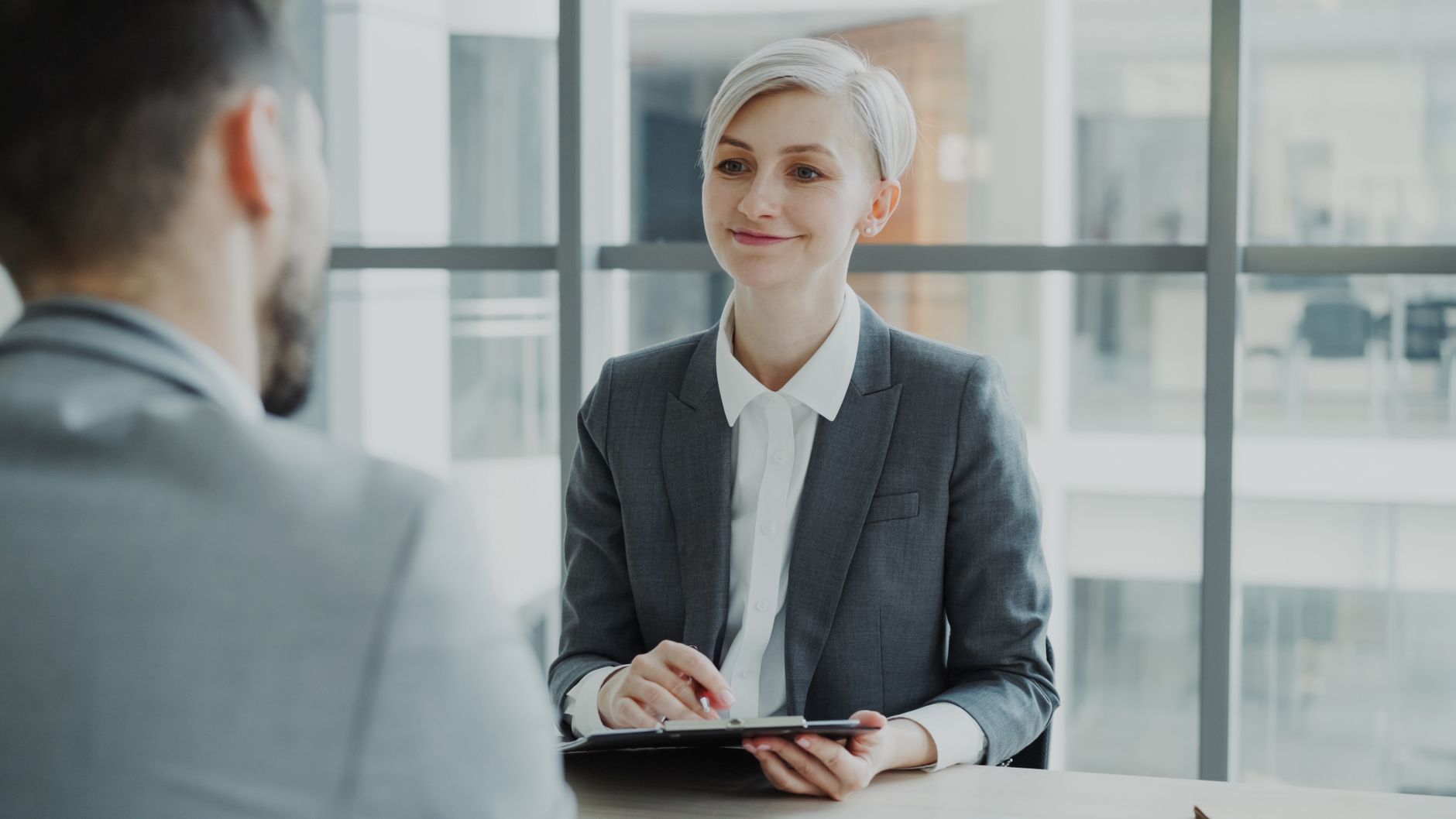
As the job market evolves, so do expectations for interview attire. What you wear can significantly impact first impressions and could influence your potential employer’s perception of your professionalism and fit for the role. Understanding the nuances of interview fashion can set you apart in a competitive landscape.
This guide will explore essential styling tips and outfit ideas for various interview scenarios, focusing on workwear that balances professionalism with personal expression.
What to Wear to an Interview?
Choosing the right outfit for an interview requires understanding the company culture, the position, and the industry standards. Generally, opt for business casual or formal attire, depending on the organization’s expectations.
Understanding Dress Codes
Before deciding on an outfit, familiarize yourself with these common dress codes:
- Business Formal: This attire often includes tailored suits, blazers, dress shirts, ties, and polished shoes. It’s typical in finance, law, and corporate environments.
- Business Casual: A step down from formal wear, this might include dress pants or khakis, collared shirts, and smart shoes without a tie. Suitable for tech, start-ups, or businesses with a relaxed culture.
- Casual: This can vary widely but usually includes smart jeans, polo shirts, or blouses. Creative industries often adopt this style, but ensure your outfit is neat and well put-together.
Key Outfit Components
To create polished interview outfits, keep these key garments in mind:
- Blazers: A well-fitted blazer can instantly elevate your look. Choose neutral colors like black, navy, or gray for versatility.
- Trousers: Opt for tailored trousers in classic colors. Chinos are a comfortable yet polished alternative for more casual environments.
- Shirts and Blouses: Stick to solid colors or minimal patterns. Lightweight fabrics like cotton or silk create a sophisticated feel.
- Dresses: A knee-length or midi dress in a structured silhouette pairs well with blazers. Look for styles that allow movement while maintaining professionalism.
- Footwear: Closed-toe shoes are a safe choice. Consider loafers, heels, or smart flats, ensuring comfort for extended wear.
- Accessories: Minimalist jewelry, professional bags, and appropriate belts can enhance your outfit without overpowering it.
Outfit Ideas Based on Interview Settings
Below are specific outfit ideas tailored for varying interview settings:
1. Business Formal Interviews
For positions in finance, law, or corporate environments, a formal look is crucial:
- A tailored navy suit with a crisp white shirt and a silk tie.
- Black dress pants with a fitted blazer over a patterned blouse, paired with closed-toe pumps.
- A knee-length sheath dress with a blazer and pointed-toe heels for a polished feminine touch.
2. Business Casual Interviews
In tech and startup industries, a business casual look is generally acceptable:
- Smart dark jeans paired with a blazer and a simple tee or blouse.
- A tailored skirt or dress pants with a long-sleeve shirt, complemented by loafers or low heels.
- Chinos and a fitted sweater, accessorized with a stylish watch for a modern vibe.
3. Casual Interviews
For creative roles, you can embrace a more relaxed style:
- Straight-leg jeans with a smart polo shirt and casual loafers or ankle boots.
- A vibrant printed dress with a denim jacket, paired with stylish sneakers for comfort.
- Tailored joggers with a fitted blouse and slip-on flats for easy movement.
Fabrics That Elevate Your Look
The right fabric can contribute to an outfit’s overall appeal. Here are some suggestions:
- Cotton: Breathable, comfortable, and suitable for all seasons. Look for a high-quality cotton shirt or pant.
- Wool: Ideal for blazers and suits as it holds shape well. A wool blend is great for added warmth in cooler weather.
- Polyester Blend: This wrinkle-resistant fabric works well in business attire, especially for those who have long days or travel.
- Silk or Satin: These fabrics add a touch of luxury to blouses and dresses, perfect for more formal interviews.
Color Coordination and Psychology
Your color choices can influence how you’re perceived in an interview:
- Black: Conveys authority and professionalism; ideal for leadership roles.
- Navy: Symbolizes trustworthiness and reliability; a safe option for most industries.
- Gray: Represents balance and neutrality; good for keeping the focus on you.
- White: Suggests purity and simplicity, excellent for pairing with bolder colors.
- Bright Colors: Can express creativity, but use sparingly to maintain professionalism.
Styling Tips for Different Seasons
Weather conditions can affect both comfort and style. Here are some seasonal considerations:
Spring and Summer
- Lightweight fabrics like cotton and linen are breathable.
- Opt for lighter colors to reflect heat, like pastels or light neutrals.
- You’ll want to avoid overly tight or short fits to maintain professionalism.
Fall and Winter
- Layering becomes essential. Add blazers, cardigans, or vests over your basic outfits.
- Choose warmer fabrics like wool blends or heavier cotton.
- Use a smart coat to elevate your overall look and keep warm.
Fit and Proportion
Regardless of your outfit’s style, fit is crucial. Here’s how to achieve it:
- Trousers: Ensure they are tailored properly to avoid excess fabric bunching. A good rule is for the hem to lightly touch the tops of your shoes.
- Shirts and Blouses: Look for a snug but comfortable fit that allows freedom of movement. If the garment gapes at buttons, it may be too small.
- Dress Length: Aim for knee-length or slightly below for professionalism; anything too short may create the wrong impression.
- Blazers: Ensure the shoulder seams align with your natural shoulder line, and the sleeves are long enough to show a bit of shirt cuff.
Wardrobe Essentials for Interviews
Developing a capsule wardrobe specifically for interviews can save time and ensure you feel confident. Here are some essentials:
- A Versatile Blazer: Look for one in a neutral color that can pair with many outfits.
- Classic Trousers: Invest in well-fitting dress pants that you can mix and match.
- Tailored Dress Shirt: A few options in both long and short sleeves can add versatility.
- A Stylish Pencil Skirt: A classic piece that can be dressed up or down.
- Quality Footwear: Choose at least one pair of professional shoes for formal interviews and another for business casual settings.
Garment Care for a Polished Look
Taking care of your clothes ensures they always look their best. Consider these care tips:
- Washing: Follow washing instructions on labels. Delicate fabrics may require handwashing or dry cleaning.
- Ironing: Press clothes to remove wrinkles before an interview. A crisp finish on shirts and trousers creates a sharp look.
- Storage: Hang blazers and dresses to prevent creasing. Store shoes in dust bags or boxes to maintain their shape.
Common Interview Dressing Mistakes
Avoid these pitfalls to ensure you present yourself well:
- Wearing clothing that is too tight or too loose can detract from your professionalism.
- Overly casual garments, such as ripped jeans or flip-flops, can undermine your suitability.
- Neglecting personal grooming can distract from your outfit; ensure you groom neatly.
Embracing Personal Style
While professionalism is paramount, there’s room to inject your personal style into interview outfits:
- Add unique accessories, like a distinctive watch or a colorful scarf to display your personality.
- Incorporate elements that make you feel confident, such as a beloved pair of shoes or a signature lipstick color.
- Consider subtle patterns or textures that reflect your style—just be cautious not to go overboard in formal settings.
Preparing for the Big Day
The day before your interview, do the following to ensure confidence:
- Try on your outfit to ensure everything fits properly and looks good together.
- Review your appearance in a full-length mirror to ensure you feel good about how you present.
- Pack a professional bag with necessary documents, such as your resume or portfolio, to keep everything organized.
Ultimately, what you wear to an interview can significantly influence your confidence and readiness to impress. Make thoughtful choices regarding your outfit while still honoring your personal style. This balance demonstrates your professionalism and individuality.
To further refine your skills and wardrobe, you may want to explore outfit inspiration, capsule wardrobes, and tailored accessories to ensure a full interview-ready ensemble.