
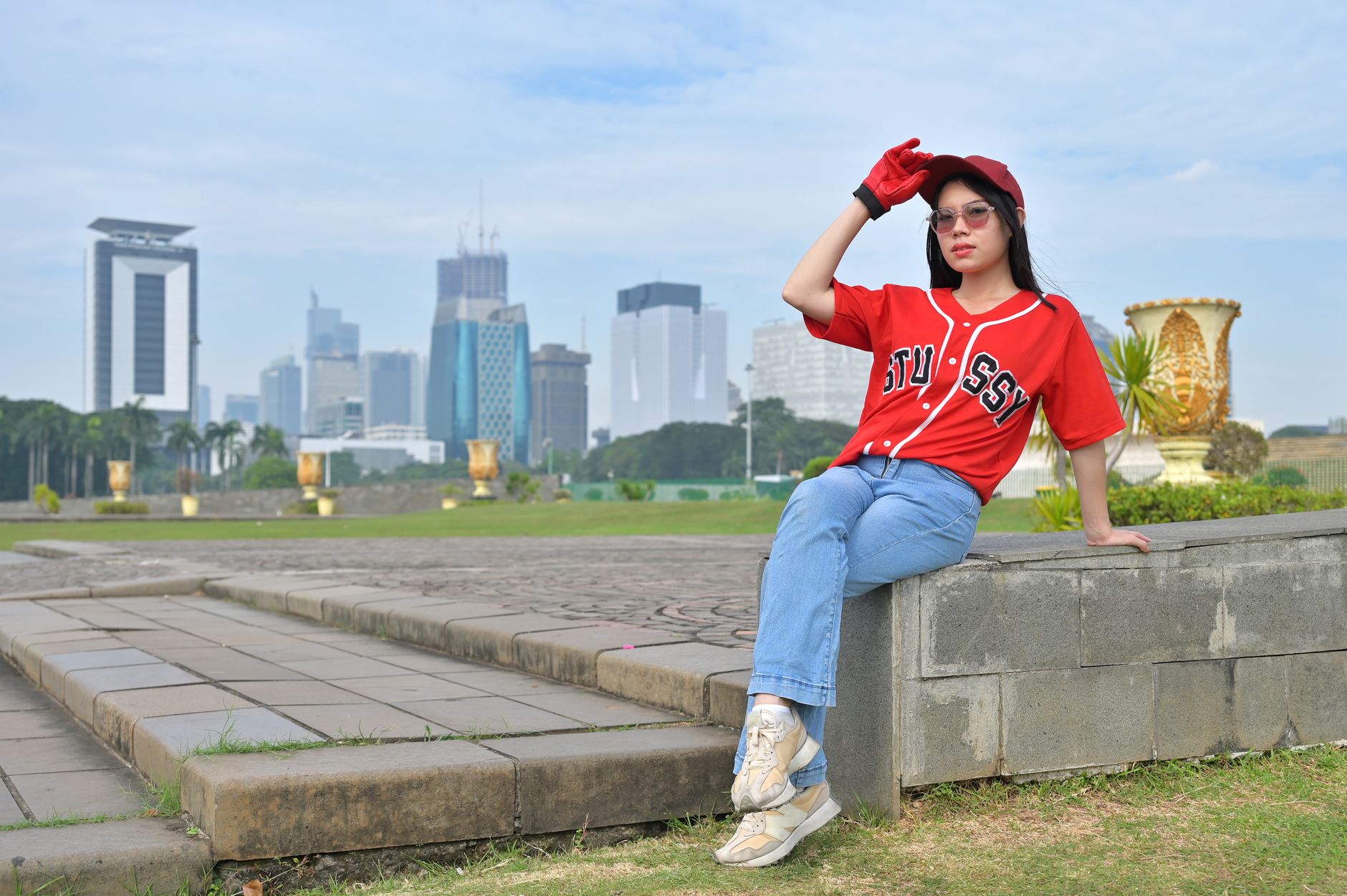
The term “OOTD” stands for “Outfit of the Day” and has become a staple in online fashion communities and social media platforms. It refers to the casual sharing of one’s daily outfit on various media platforms, serving as a form of self-expression and fashion inspiration.
Not only are OOTD posts a great way to showcase personal style, but they also offer a glimpse into fashion trends, styling tips, and outfit ideas that can benefit those looking to enhance their wardrobe. Understanding the significance of OOTD can help individuals curate their personal style while staying fashionable.
What Is OOTD Mean?
OOTD means “Outfit of the Day,” often used to share or seek inspiration for daily fashion choices. This concept encourages creativity in dressing and has morphed into a cultural phenomenon where individuals express their personal style through visuals.
Initially popularized by fashion bloggers and influencers, the OOTD trend quickly transcended into mainstream social media. Platforms like Instagram, TikTok, and Pinterest have given users tools to post their outfits, creating a community that celebrates individuality and style.
The Origins of OOTD
The concept of OOTD emerged in the mid-2000s, coinciding with the rise of fashion blogs. Early adopters would showcase their daily looks, which inspired a culture of sharing personal outfits. As social media grew, so did the OOTD trend.
Fashion influencers began tagging their posts with #OOTD, allowing viewers to discover a plethora of outfit combinations and style advice. OOTD became a language unto itself—a way for users to connect over shared interests in fashion regardless of geography.
How to Style an OOTD
Styling an OOTD is about showcasing individuality and creativity. Here are some steps to consider when planning your next outfit:
- Assess the Occasion: Determine where you’ll be going. Whether it’s work, a casual outing, or a formal event, knowing the dress code will guide your choices.
- Choose a Focal Point: Pick a standout piece, such as a bold jacket, unique shoes, or an eye-catching accessory, to center your outfit around.
- Mix and Match: Combine various garments—think layering a turtleneck under a dress or pairing a blazer with jeans for a smart-casual look.
- Color Coordination: Keep your color palette cohesive. A good rule of thumb is to limit yourself to three primary colors in an outfit.
- Accessorize: Finalize your look with complementary accessories—this could include jewelry, bags, hats, or belts.
Concrete Outfit Ideas
Here are some outfit combinations you can consider for different occasions. They highlight how specific pieces work together while also being suitable for various settings.
For Casual Outings
- Weekend Brunch:
- High-waisted jeans
- A fitted striped t-shirt
- A denim jacket
- White sneakers
- Crossbody bag
- Grocery Shopping:
- Basic cotton tank top
- Lightweight linen trousers
- Flip-flops or slides
- Canvas tote bag
For Work
- Smart Casual Office Look:
- Tailored trousers
- Crisp white button-up shirt
- Blazer
- Loafers
- Structured handbag
- Formal Business Attire:
- Sheath dress or pencil skirt
- Blouse with a subtle print
- Pointed-toe heels
- Statement necklace
For Formal Events
- Evening Cocktail Party:
- A classic little black dress
- Statement earrings
- Strappy heels
- Clutch purse
- Wedding Guest:
- Floral maxi dress
- Sandals or low heels
- Wide-brimmed hat (if outdoor)
Understanding Fit and Proportions
Good fit and proportion are crucial in making an outfit visually appealing. Here are some tips for ensuring your OOTD looks polished:
- Know Your Measurements: Take accurate measurements of your bust, waist, and hips to ensure proper fit when shopping.
- Play with Silhouettes: Mix different silhouettes while maintaining balance. For instance, pair a loose top with fitted bottoms.
- Layering: Utilize layering techniques. Layering can add depth and interest to your outfit, making it visually striking.
- Length Matters: Be mindful of hemlines. A-line skirts can elongate the body, while cropped tops can accentuate waistlines.
Wardrobe Essentials for OOTD Styling
Building a versatile wardrobe starts with essential pieces that can be mixed and matched to create various outfits. Here is a curated list of wardrobe staples:
- Basic Tops: Solid t-shirts, tank tops, and button-up shirts in neutral colors.
- Bottoms: A good pair of jeans, tailored trousers, and a classic skirt.
- Layering Pieces: Denim jackets, blazers, and cardigans.
- Footwear: Comfortable sneakers, dressy flats, and versatile ankle boots.
- Accessories: Statement handbags, scarves, and a mix of jewelry to elevate any outfit.
Color Coordination Made Easy
Understanding how to coordinate colors can elevate any OOTD. Here are some guiding principles:
- Monochrome: Dressing in one color can create an elongated effect and look sophisticated.
- Complementary Colors: Choose colors opposite each other on the color wheel for a vibrant effect.
- Analogous Colors: These colors are next to each other on the color wheel, providing a harmonious look.
- Neutrals: Always have a selection of neutral colors (black, white, gray, beige) to anchor your outfits.
Seasonal Dressing for OOTD
Adapting your OOTD style to the changing seasons allows for creativity while also considering comfort. Here are tips for each season:
Spring
- Light layers such as cardigans and denim jackets work well over floral dresses or light blouses.
- Incorporate soft pastel colors or vibrant florals to embrace the season’s charm.
Summer
- Opt for breathable fabrics like linen or cotton. Maxi dresses, shorts, and lightweight tops are great choices.
- Don’t forget sun protection accessories such as hats and sunglasses.
Fall
- Layer with sweaters or long-sleeved shirts under jackets. Earth tones and rich colors can create a cozy effect.
- Boots become a staple, paired with denim or flowing skirts.
Winter
- Focus on heavier fabrics like wool for warmth. Invest in a classic trench or puffer coat.
- Layering is key: think thermal tops under stylish sweaters, complemented by scarves.
Adapting OOTD for Various Dress Codes
Different occasions call for different dress codes. Here’s a brief overview:
Casual
- Opt for relaxed-fit jeans or trousers paired with a simple tee or sweater.
- Comfortable sneakers or flats complete a laid-back look.
Smart Casual
- Combine tailored elements with casual pieces, such as chinos with a button-down shirt.
- Add loafers or ankle boots for a more polished touch.
Business Casual
- A tailored blazer with dress pants and a plain top offers a professional yet comfortable outfit.
- Pencil skirts paired with blouses can also be a great go-to.
Formal
- For men, a well-fitted suit is ideal, while women can opt for an elegant dress or tailored suit.
- Accessorize with classic pieces such as watches or subtle jewelry for a touch of sophistication.
Gender-Inclusive Style
Fashion is for everyone, and OOTD should be embraced by all gender identities. Here’s how to achieve a gender-inclusive style:
- Focus on fit rather than gender-specific cuts. Oversized and fitted pieces can be flattering on anyone.
- Mix traditionally masculine and feminine pieces for a unique look.
- Play with colors and patterns to express personal style irrespective of gender norms.
The Role of Footwear in OOTD
Footwear can make or break an outfit. Here’s how to choose the right shoes to complement your OOTD:
- Consider Comfort: If you’ll be on your feet, prioritize comfort without sacrificing style.
- Match the Occasion: Choose dressy shoes for formal events, while casual footwear works best for laid-back outings.
- Versatility: A good pair of neutral shoes can work with multiple outfits, ensuring your wardrobe remains cohesive.
Accessorizing Your OOTD
Accessories can transform an outfit and offer unique expressions of personal style. Here are key tips:
- Layered Jewelry: Experiment with layering necklaces or stacking rings to add interest.
- Bags and Belts: Choose bags that can hold essentials but still add flair. A belt can accentuate the waistline and add a different dimension to silhouettes.
- Functional Accessories: Consider scarves, hats, and sunglasses for practical yet stylish additions.
Understanding Fabrics and Their Care
The fabric composition can significantly affect how an outfit looks and feels. Here’s a brief guide:
- Cotton: Comfortable and breathable, ideal for all seasons but may wrinkle easily.
- Linen: Perfect for warmer weather due to its lightness but prone to creasing.
- Wool: Excellent insulator, great for colder months, and requires special care to avoid shrinkage.
- Blends: Fabrics that combine fibers often produce the best qualities of each—like cotton-polyester blends that resist wrinkling.
Garment Care Tips
Caring for your clothes extends their life and maintains a polished look. Consider these basic maintenance tips:
- Read Care Labels: Always follow the care instructions on the label to maintain fabric integrity.
- Wash with Care: Use cold water for most fabrics to extend their lifespan, and wash colors separately to prevent bleeding.
- Dry Properly: Air dry items when possible; if using a dryer, opt for a low heat setting.
- Store Wisely: Hang garments that need structure and fold lighter materials to prevent stretching.
Conclusion
Understanding the meaning of OOTD and how to implement it can greatly enrich your personal style journey. By combining outfit ideas, fit considerations, and essential wardrobe advice, you can create looks that are uniquely you. Start by assessing your current wardrobe for staples and experiment with different outfit combinations to express your creativity.
Explore more outfit ideas and styling tips on our blog to take your fashion game to the next level.