
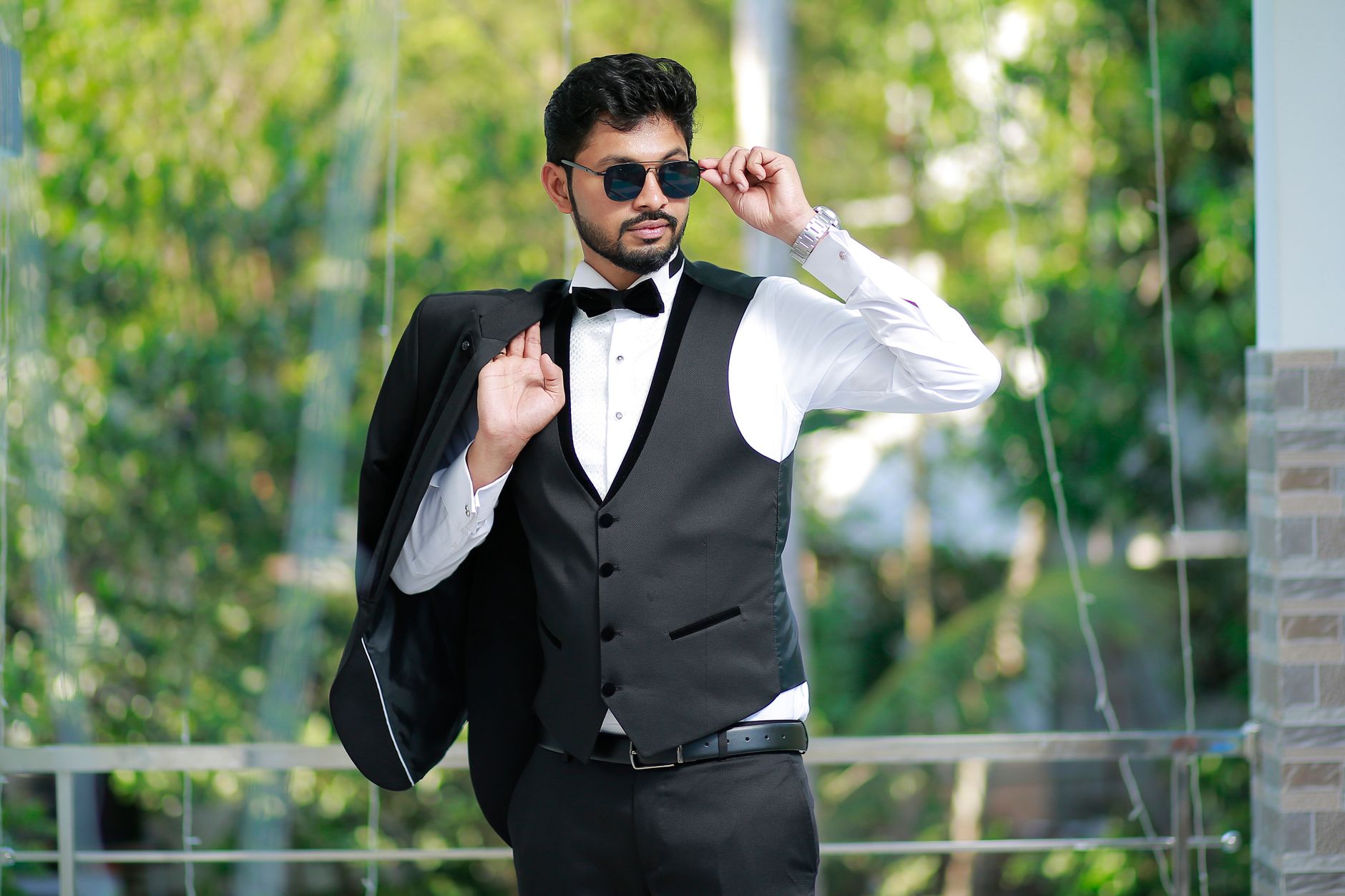
A tuxedo is a formal suit typically worn at events that require a black-tie dress code. Known for its distinctive characteristics, such as satin or grosgrain lapels and a more fitted cut, the tuxedo stands as a symbol of sophistication and elegance. In this article, we’ll explore the meaning of a tuxedo, its various styles, and practical outfit examples to inspire your formal wear collection.
Whether you’re someone preparing for a wedding, gala, or any formal occasion, understanding how to style a tuxedo can elevate your wardrobe. This guide will break down the elements of a tuxedo, necessary components for a polished look, and how to choose and care for these timeless pieces.
What Is a Tuxedo?
A tuxedo, also known as a dinner jacket, is a type of formal suit that is traditionally worn for evening events. Typically characterized by its satin or silk lapels, the tuxedo distinguishes itself from regular suits through its tailored fit and formal accessories. While tuxedos are predominantly associated with men’s fashion, variations exist that accommodate different genders and personal styles.
Characteristics of a Tuxedo
- Lapels: Tuxedos usually feature satin or grosgrain lapels, which set them apart from traditional suits.
- Fit: Designed to be fitted, tuxedos often come in tailored styles that enhance the silhouette.
- Shirt: A formal dress shirt, often with a wing or spread collar, is standard with a tuxedo.
- Trousers: Tuxedo trousers often have a satin stripe running down the sides.
- Accessories: Common accessories include a bow tie, cummerbund, or waistcoat.
History of the Tuxedo
The tuxedo’s origins trace back to the 19th century, specifically in the United States when it was popularized during the informal dinner events. Its name is derived from Tuxedo Park, a resort area in New York where the style first gained traction among affluent men. The tuxedo became a staple of formal attire, replacing the tailcoat as the go-to outfit for evening events by the early 20th century.
Different Styles of Tuxedos
Tuxedos come in a variety of styles and designs, allowing for personal expression even within formalwear. Here are some of the main styles you might encounter:
Classic Tuxedo
The classic tuxedo features satin lapels and a timeless black color. It is often paired with black dress pants featuring the same satin stripe down the sides. This style is ideal for formal events such as weddings and galas.
Modern Tuxedo
Modern tuxedos may incorporate bolder colors and unique fabrics. With slimmer cuts and sophisticated details, these options cater to fashion-forward individuals who want to stand out while still adhering to formal dress codes.
Double-Breasted Tuxedo
Double-breasted tuxedos have a more structured appearance, featuring overlapping front flaps. This style can offer a more commanding presence but may not suit all body types. It pairs well with a waistcoat for a complete ensemble.
White Tuxedo
A white tuxedo jacket paired with black trousers is often worn during summer events or less formal occasions. It can provide a fresh, modern look while still keeping the formality intact. Ideal for outdoor weddings, the white tuxedo is a stylish alternative.
Colorful Tuxedos
For those looking to express individuality, colorful tuxedos are becoming more popular. Bright colors such as royal blue, emerald green, or even patterns can create a statement look while maintaining a formal feel. However, it’s essential to consider the event and its dress code when opting for vivid hues.
Essential Components of a Tuxedo Outfit
To assemble a complete tuxedo look, several elements need to be carefully selected. Here’s what you should include:
- Tuxedo Jacket: Choose a jacket with the appropriate lapel design, fit, and color based on your personal style.
- Formal Shirt: A crisp, well-fitting white dress shirt is the traditional choice, but variations with subtle textures or folds can add interest.
- Trousers: Opt for tailored trousers that match the coat or in a complementary fabric.
- Bow Tie or Neck Tie: A bow tie is the classic choice but don’t shy away from a traditional tie if that aligns better with your style.
- Cummerbund or Waistcoat: Depending on your preference, either can provide texture and distinguish your waistline.
- Shoes: Patent leather Oxfords or loafers are suitable choices for footwear.
- Accessories: Cufflinks, pocket squares, and a watch can enhance the overall ensemble.
Outfit Examples for Tuxedo Styling
Here are some practical outfit combinations to consider for various formal occasions:
Classic Black-Tie Event
- Black tuxedo jacket with satin lapels
- White dress shirt with French cuffs
- Black bow tie
- Black tuxedo trousers with a satin stripe
- Black patent leather Oxfords
- Black cufflinks and a white pocket square for a polished touch
Wedding Guest Ensemble
- Medium navy blue tuxedo jacket
- White dress shirt with a slight texture
- Matching navy bow tie
- Navy trousers with matching details
- Brown leather shoes to add warmth, like Oxfords or loafers
- A matching pocket square for coordination
Summer Event Attire
- White tuxedo jacket
- Black dress shirt for contrast
- Black formal trousers
- Black tie or slim bow tie
- Black loafers or sleek sandals if the event allows
- A black leather wristwatch for understated elegance
Fashion-Forward Tuxedo Look
- Crimson red tuxedo jacket
- White shirt with no tie for a more relaxed vibe
- Matching red trousers or black trousers to tone it down
- Black patent shoes for sophistication
- Cufflinks in silver or black for a modern touch
Choosing the Right Fit
Choosing the right fit is crucial for tuxedos. The wrong size can overshadow the elegance of the outfit. Here are some tips to achieve the perfect fit:
- Shoulders: The shoulders of the jacket should align with your natural shoulders; any fitting issues here can lead to an unflattering silhouette.
- Chest and Waist: The jacket should comfortably close without straining. A slight gap around the waist allows for ease of movement.
- Length: Aim for the jacket to hit around the hip. Sleeves should end just above the wrist bone to showcase your shirt cuff.
- Pants Measurements: Select trousers that fit properly at your waist and have the right leg length, ensuring they rest just above your shoes.
Fabric Considerations for Tuxedos
The fabric of your tuxedo significantly affects its appearance, comfort, and durability. Here are some common fabrics used for tuxedos:
- Wool: A classic choice for its breathability and drape. Wool tuxedos work well in various temperatures and provide a timeless look.
- Polyester: Often blended with natural fibers, polyester adds durability and wrinkle resistance, making it easier to care for.
- Silk: Luxurious and smooth, silk tuxedos can provide a striking sheen, perfect for evening events.
- Velvet: A bold and tactile choice, velvet tuxedos evoke opulence and sophistication, great for winter events.
Care and Maintenance of a Tuxedo
Proper care extends the life of your tuxedo and maintains its appearance. Here are some care tips:
- Dry Cleaning: Always dry clean your tuxedo when necessary as home washing can damage the fabric.
- Storage: Hang your tuxedo on a sturdy hanger to maintain its shape. Use garment bags for protection from dust.
- Spot Cleaning: For minor stains, gently blot the area with a damp cloth and a bit of fabric cleaner.
- Pressing: Steam your tuxedo if it becomes wrinkled, but avoid direct heat from irons. If using an iron, set it to a low heat with a pressing cloth.
Accessorizing Your Tuxedo
Accessories can make a tuxedo stand out. Here are some essential accessories to consider:
- Bow Ties and Neckties: Choose from silk or satin for a classic look.
- Cufflinks: Gold or silver cufflinks can add a touch of elegance.
- Pocket Squares: Coordinate with your bow tie or shirt for a cohesive look.
- Belt or Suspenders: While belts aren’t always worn with tuxedos, if you opt for one, make sure it’s slim and elegant. Suspenders can also be a stylish choice.
- Watches: A sleek dress watch can add sophistication without being too flashy.
Shopping for a Tuxedo
When shopping for a tuxedo, consider the following:
- Fit: Always try on a tuxedo before purchasing or consult tailor services for alterations.
- Quality: Look for well-constructed garments to ensure they last through multiple events.
- Budget: Tuxedos can vary widely in price, so define your budget beforehand and look for options that provide quality within that range.
- Rental Options: If you don’t foresee wearing a tuxedo often, consider renting. Many services offer high-quality tuxedos that you can return after the event.
Choosing Between Rental and Purchase
Deciding whether to rent or buy a tuxedo can be challenging. Consider these factors:
- Frequency of Use: If you attend multiple formal events per year, buying might be a better investment.
- Style Preferences: If you have a specific vision or style, purchasing ensures you’ll get what you want.
- Cost: Check rental prices versus budget for purchasing, including tailoring and alterations.
Ultimately, both options provide suitable solutions depending on your lifestyle and preferences. Remember to choose what aligns with your style and practicality.
Conclusion
A tuxedo represents timeless elegance and sophistication, making it an essential piece in formalwear. Understanding its characteristics, styles, accessorizing options, and care techniques ensures that you can select the right tuxedo for any occasion confidently. Whether you choose to rent or buy, focusing on fit and fabric will greatly enhance your experience.
Now that you’re well-versed in choosing and styling a tuxedo, why not try putting together an outfit for your next formal event? Explore ideas on cocktail attire or appropriate styles for black-tie events to refine your look further.