
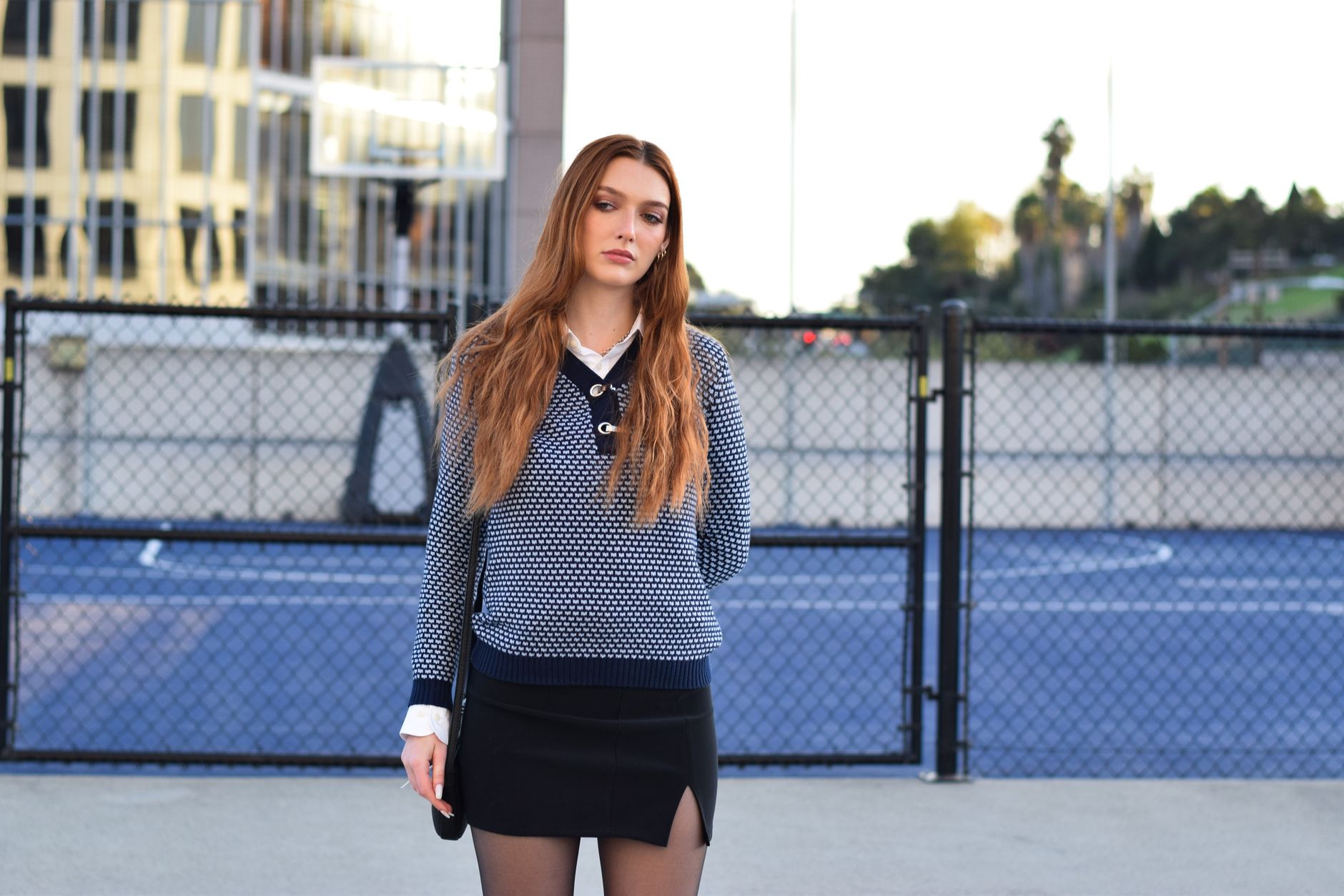
Attending traffic court can be a nerve-wracking experience, but choosing the right outfit can help you feel more confident and presentable. Understanding what to wear is essential, as it reflects not only your respect for the court but also can influence how seriously your case is taken. This guide will provide you with practical styling tips to put together appropriate outfits for traffic court.
Whether you are facing a simple speeding ticket or a more serious violation, dressing thoughtfully will help create a positive impression. Here you’ll find outfit ideas, essential wardrobe pieces, and advice on how to make the best fashion choices for your day in court.
What to Wear to Traffic Court?
When attending traffic court, aim for a polished, respectful appearance. This typically means opting for business casual or slightly formal attire rather than casual wear. Keep in mind the environment and the occasion, as your outfit should show that you take the proceedings seriously. A well-constructed look will help convey professionalism and can sometimes influence the outcome of a case.
Understanding Dress Code: Casual to Formal
Before choosing your outfit, consider the level of formality expected in the court you will be attending. Most often, a business casual look strikes the right balance between formal and relaxed. Below, the distinctions between casual, business casual, and formal attire are clarified for traffic court.
Casual Wear
- Examples: T-shirts, shorts, flip-flops.
- Not Recommended: This level of casual is too laid-back for court appearances and can be seen as disrespectful.
Business Casual
- Examples: Chinos, dresses, button-up shirts, blouses.
- Footwear: Closed-toe flats, loafers, or dress shoes.
- Importance: Business casual is often the ideal choice for traffic court, showcasing an effort to look presentable without being overly formal.
Formal Attire
- Examples: Suits, tailored dresses, dress slacks.
- Footwear: Oxfords, heels, or polished dress shoes.
- Consideration: While formal attire is not necessary, wearing a blazer or dress pants can enhance your appearance, especially for more serious offenses.
Fashion Essentials for Traffic Court
Having a few key pieces in your wardrobe can simplify the process of putting together an outfit for court. Below are essential garments that can be easily mixed and matched for various court appearances.
Wardrobe Staples
- Button-Up Shirts: Crisp shirts in solid colors or subtle patterns offer a polished look. Aim for colors like light blue, white, or soft pastels to keep it professional.
- Dress Pants: A well-fitted pair of dress pants in neutral shades (black, navy, or gray) is versatile and can be paired with different tops.
- Skirts: A knee-length pencil skirt or an A-line skirt provides a chic appearance while remaining appropriate for court settings.
- Dresses: Aim for simple, modest styles that can be dressed up or down with accessories. Avoid overly flashy or tight-fitting designs.
- Blazer or Cardigan: A structured layer such as a blazer elevates any outfit, providing a touch of formality without being too stiff.
- Footwear: Closed-toe shoes such as loafers or low heels complement business casual looks. Opt for comfort, particularly if there is any potential for waiting.
Color Coordination and Styling Tips
Color choices can also make a significant impact on how you are perceived in court. Neutrals often convey a sense of calm and professionalism, while brighter colors can signify confidence.
Neutral Palette
- Colors include black, white, gray, beige, and navy.
- These hues are easy to mix and match, ensuring your outfit looks cohesive.
- A neutral palette can help convey seriousness and authority.
Accent Colors
- Add a pop of color with a modest accessory, such as a scarf or a pocket square, to inject a hint of personality without overwhelming your appearance.
- Colors like soft blues or greens can have a calming effect, which can be beneficial in a stressful environment.
Fit and Proportion
- Ensure your clothing fits well; avoid overly tight or loose garments.
- Structured pieces, such as blazers or tailored trousers, can help create a flattering silhouette.
Layering Techniques
Layering can be essential, especially if you anticipate fluctuating temperatures in the court building. Here are some tips to keep in mind:
- Start with a base layer, such as a fitted shirt or blouse, for a polished look.
- Add a blazer or tailored jacket for added formality. A structured layer can also keep you warm if it’s cool inside.
- A light scarf or shawl can also add warmth without compromising style.
Seasonal Dressing Considerations
It’s important to adapt your attire based on the season, especially if the court appearance is during summer or winter months.
Summer Attire
- Lightweight fabrics such as cotton, linen, or blends are preferable for breathability.
- A short-sleeved blouse or dress can work well, provided it adheres to the modesty guidelines mentioned previously.
Winter Attire
- Layer up with sweaters and long-sleeved shirts, ensuring they are still professional.
- Select heavier fabrics like wool or thicker blends to stay warm.
Footwear Choices
Since court appearances often involve waiting and possibly standing, comfort is key when selecting footwear. Below are options that balance comfort and professionalism:
- Flats: Comfortable flats can add style without sacrificing comfort. Look for pairs with cushioned insoles or soft materials.
- Low Heels: A low, block heel provides height and elegance while remaining wearable for extended periods.
- Dress shoes: For those who prefer a more formal option, consider low-heeled oxfords or brogues.
Accessorizing Your Court Ensemble
Accessories can add a polished finish to your outfit, but they should be kept minimal and professional. Here’s how to accessorize appropriately:
- Jewelry: Opt for simple pieces, like stud earrings or a delicate necklace. Avoid large or ostentatious jewelry.
- Bags: A structured handbag or briefcase conveys professionalism. Ensure it is of a manageable size to carry comfortably.
- Watches: A classic watch adds a touch of sophistication while being functional.
Fabrics to Choose and Avoid
The choice of fabric can make or break your outfit’s comfort and appearance. Here’s a simple guide to the most suitable options for traffic court:
Recommended Fabrics
- Cotton: Breathable and comfortable, cotton is an excellent choice for shirts and lighter blouses.
- Wool: Suitable for blazers and coats, it’s perfect for creating structure without clinging.
- Polyester blends: Often wrinkle-resistant and durable, making it practical for busy days.
Avoid These Fabrics
- Sheer materials: These may be seen as too informal or revealing.
- Denim: Unless it is a very dark and structured style, denim can be too casual.
Garment Care for Court Readiness
Ensuring your clothing looks fresh and pressed is crucial before heading to court. Here are general care tips to keep your garments in top condition:
Washing and Storing
- Follow the care label instructions for washing and drying.
- Use fabric-specific detergents to prevent fading or pilling.
- Store your clothing properly on hangers to maintain their shape.
Ironing and Steaming
- Iron clothes on the appropriate setting for the fabric to avoid burns or damage.
- Steaming can be a quick way to remove wrinkles from garments that cannot be ironed.
Common Styling Challenges and Solutions
Sometimes, putting an outfit together can be daunting. Here are solutions to some common styling challenges when preparing for traffic court:
Problem: Nothing Fits Properly
If your chosen items don’t fit right, consider visiting a tailor. Even small alterations can make a significant difference, allowing you to wear items that might otherwise feel unsuitable.
Problem: Looking Too Casual
If you feel your outfit is too relaxed, switch out one piece. For example, replace a casual top with a sleek button-up, or add a blazer to instantly elevate your look.
Problem: Accessories Overwhelm the Outfit
When in doubt, remove one accessory. Keeping it minimal will help maintain a polished, professional appearance. You can never go wrong with understated elegance.
Mindset and Confidence
Ultimately, what you wear to traffic court should serve not just as an outfit, but as a confidence booster. When you feel comfortable in your clothes, it shows. Choose items that fit well, speak to your personal style, and help you feel more at ease during your time in court.
Conclusion
Selecting the right outfit for traffic court involves balancing professionalism with personal expression. By choosing versatile, well-fitting pieces in neutral colors, accessorizing tastefully, and paying attention to fabric and care, you can create an outfit that leaves a positive impression. Take the time to plan ahead, and you will walk into that courtroom feeling confident and prepared.
For more outfit inspiration and styling tips, explore our guides on what to wear to court for women or learn about appropriate court attire more broadly.