
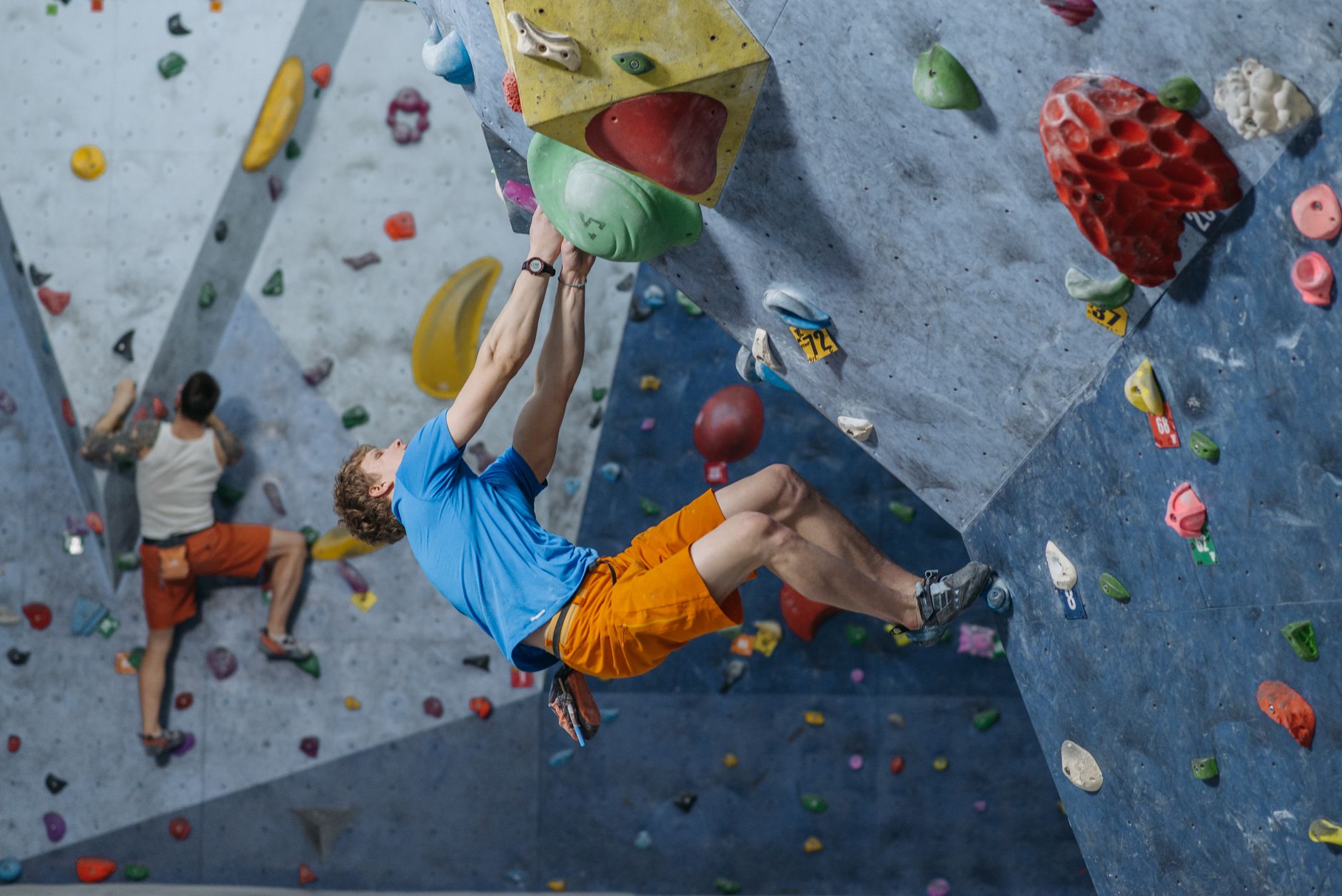
When it comes to rock climbing, choosing the right outfit can make a significant difference in both comfort and performance. The best climbing gear not only embraces functionality but also allows you to express your personal style. From breathable fabrics to the right shoes, let’s explore what to wear when tackling those craggy walls.
Whether you’re a seasoned climber or just starting out, understanding the uniqueness of climbing attire can enhance both your performance and enjoyment. We’ll delve into essential pieces, outfit ideas for various conditions, and practical styling tips to help you make the most out of your climbing experience.
What to Wear Rock Climbing?
The ideal rock climbing outfit combines comfort, mobility, and breathability. You’ll want to opt for clothing that allows a full range of motion while being durable enough to withstand rugged environments. Key components include moisture-wicking shirts, flexible pants, supportive shoes, and accessories to round out your look.
Key Components of a Rock Climbing Outfit
1. Tops
The first layer to consider is your top. It’s essential to wear a shirt that is breathable and moisture-wicking to keep sweat away from your skin, enhancing comfort during climbs.
- Performance T-Shirts: Look for light, quick-drying synthetic blends, or merino wool options that provide breathability and odor resistance.
- Tank Tops: Ideal for warm weather, tanks allow for unrestricted movement of the arms. Choose racerback styles for maximum range of motion.
- Long-Sleeve Shirts: For cooler days, opt for an easily packable long-sleeve shirt that offers protection from sun and scrapes.
2. Bottoms
Your choice of pants or shorts is crucial for comfort and flexibility. Look for climbing-specific bottoms to ensure optimal performance.
- Climbing Pants: These typically feature stretch fabric, a gusseted crotch, and reinforced knees. Consider options with an adjustable waistband for a better fit.
- Shorts: If you’re climbing in warmer weather, opt for shorts that are durable and feature a snug fit to avoid bunching during climbs.
- Leggings: High-performance leggings are also a great option, as they offer stretch and support while being comfortable under a harness.
3. Footwear
Choosing the right climbing shoes is pivotal for your performance. Look for features that enhance grip, flexibility, and comfort.
- Climbing Shoes: Opt for shoes that fit snugly to allow for optimal control on small footholds. Rubber soles should provide maximum traction, while the shoe’s design can vary based on your climbing style.
- Sport-Specific Choices: Many brands offer different climbing shoes tailored to bouldering, sport climbing, or trad climbing. Research the best fit for your activities.
4. Accessories
Accessories can elevate not just your style but also your function while climbing. Here are some essentials:
- Chalk Bag: Essential for managing sweaty hands, choose a stylish bag that can be clipped to your harness.
- Climbing Belt: Look for a lightweight harness that allows for easy adjustment and maximizes comfort.
- Sunglasses: Protect your eyes from UV rays and enhance visibility in bright conditions with sunglasses designed for outdoor activities.
- Headwear: A lightweight cap or headband can help keep sweat away from your eyes and protect your head from the sun.
Seasonal Outfits for Rock Climbing
Spring and Fall: Layering is Key
During transitional seasons, layering can be particularly effective to deal with fluctuating temperatures.
- Base Layers: Start with a moisture-wicking base layer to keep you dry.
- Insulating Layer: A lightweight fleece or long-sleeve shirt can provide warmth without adding bulk.
- Outer Layer: Consider a windbreaker or softshell jacket that offers protection against the elements.
Summer: Light and Breathable
In summer months, your focus should be on comfort and breathability.
- Lightweight Tanks: Choose a tank top or short-sleeve shirt made from breathable materials.
- Shorts or Capris: Opt for lighter bottoms that allow airflow but are durable enough for climbing.
- Sun Protection: Don’t forget your sunscreen, and consider a wide-brimmed hat for additional protection.
Winter: Warmth and Functionality
When climbing in cold weather, invest in layers that provide warmth without hindering your mobility.
- Heavy Base Layer: Thermal tops can help maintain body heat while remaining moisture-wicking.
- Insulating Mid-Layer: A fleece or insulated jacket works well for added warmth.
- Wind-Resistant Shell: Choose an outer layer that is both windproof and waterproof to keep you protected from snow and rain.
- Warm Accessories: Don’t forget gloves and a beanie to keep your extremities warm!
Tips for Adapting Your Outfit
To ensure you feel your best while climbing, consider the following practical outfit tips:
- Fit Matters: Your climbing attire should fit snugly but not too tight. Avoid clothing that restricts movement or chafes against your body.
- Material Selection: Look for synthetic blends and natural fibers like merino wool, which offer comfort and breathability. Avoid cotton as it retains moisture.
- Durability: Check for reinforced seams and durable fabric that can endure rocky surfaces, especially in high-wear areas.
- Color Coordination: A harmonious color palette can enhance your overall look. Consider earthy tones or vibrant colors depending on your personal style.
Creating a Capsule Wardrobe for Rock Climbing
Building a capsule wardrobe for rock climbing can simplify your gear selection and ensure you always have the essentials for your climbing adventures.
- 1-2 Climbing Tops: Choose moisture-wicking short and long-sleeve options in versatile colors.
- 1-2 Bottom Options: Invest in both pants and shorts to accommodate different weather conditions.
- 1-2 Pairs of Climbing Shoes: One pair for sport climbing and another for bouldering can enhance your performance.
- 1-2 Light Jackets: A lightweight windbreaker and a warmer fleece for layering when necessary.
- Accessories: A chalk bag, climbing harness, and supportive belt should complement your selected outfits.
Choosing the Right Fabrics
Understanding fabric types can significantly impact your overall climbing experience. Consider the following materials when assembling your climbing attire:
- Synthetic Blends: Fabrics like polyester and nylon are moisture-wicking, quick-drying, and offer durability and stretch.
- Merino Wool: Excellent for temperature regulation, merino wool is breathably insulating, great for colder days, and odor-resistant.
- Canvas: A sturdy option for climbing pants, canvas is durable and often has a rough texture that adds grip and protection.
Garment Care & Maintenance
Proper care of your climbing attire will ensure longevity and performance. Here are some garment care tips:
- Follow Care Labels: Always check the manufacturer’s care instructions for specific washing and drying recommendations.
- Wash in Cold Water: Use cold water to prevent shrinking and color fading.
- Air Dry: Whenever possible, air dry your climbing gear to maintain fabric integrity.
- Aerate After Use: Make sure to air out your climbing shoes and clothing after each use to prevent odor buildup.
Conclusion
Your fitness and enjoyment while rock climbing directly rely on your choice of outfit. Prioritize comfort, flexibility, and breathability when selecting your climbing gear, while also adding your unique style. Start with the essentials outlined above, choose thoughtful layering techniques for different seasons, and maintain your garments to extend their life. The next time you’re gearing up for a climb, try combining a moisture-wicking tank with stretchy climbing shorts or pants and your favorite supportive footwear, and see how it enhances your experience out on the rocks.
Explore more related outfit ideas, styling tips, and fashion guidance to elevate your wardrobe. Whether you’re interested in sport-specific attire or casual outdoor looks, there are endless possibilities to enhance your climbing experiences.