
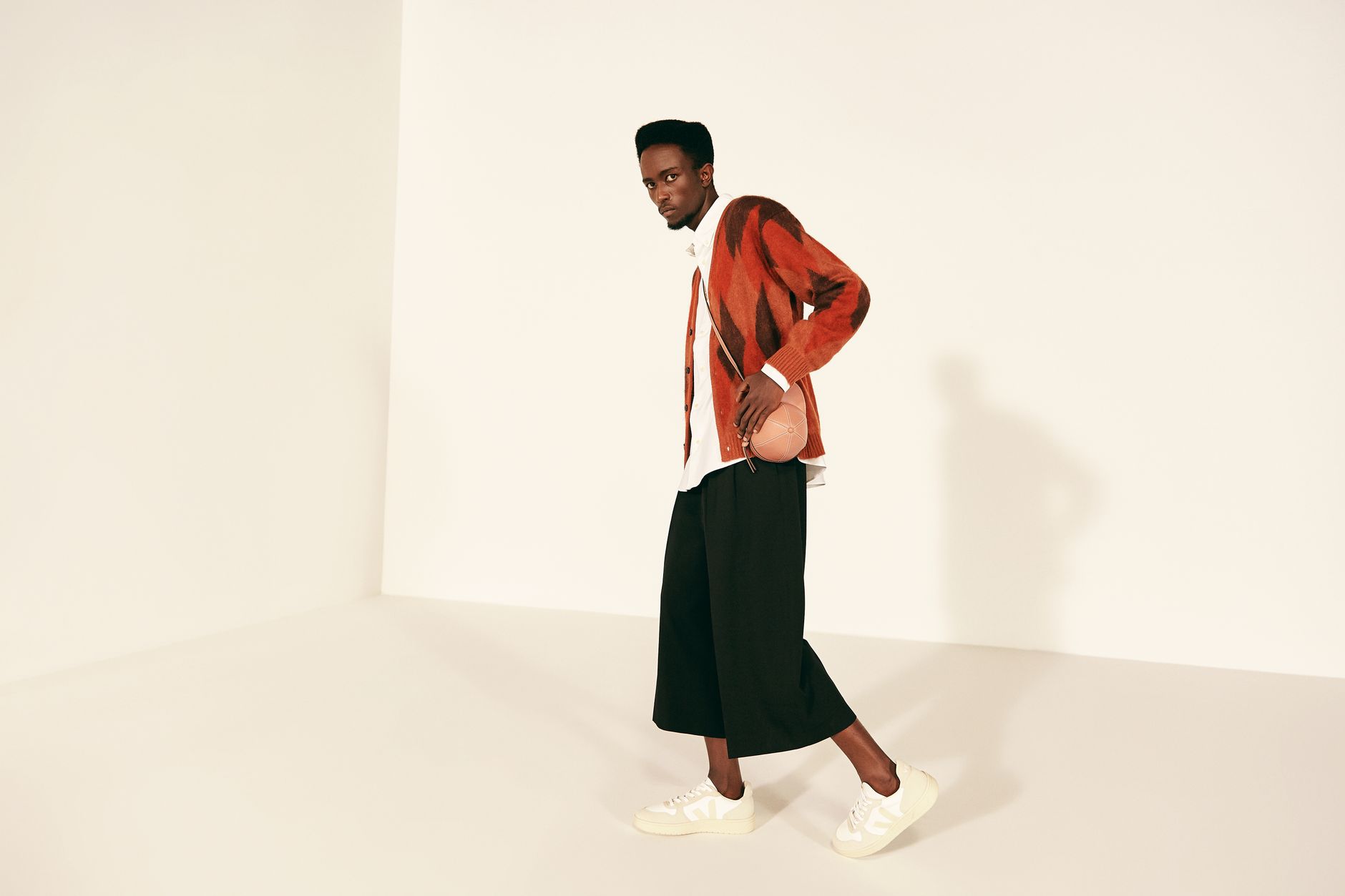
Fit models play a crucial role in the fashion industry, acting as a living blueprint for garments. They help designers and brands ensure that clothing fits properly and looks good on a variety of body types. Understanding what it means to be a fit model can shed light on trends and styles that may work for you.
This guide will delve into the definition of a fit model, the skills required for the job, and how the insights gained from fit modeling can help with your personal style and wardrobe choices.
What Does It Mean to Be a Fit Model?
A fit model is a professional model tasked with trying on clothing samples before they go into production. Their measurements and proportions serve as a standard for the brand, as they possess a specific body type that the designer uses to create clothing patterns.
Fit models are essential in the fashion industry because they provide feedback on how garments fit and feel during the design process. This feedback informs necessary adjustments to improve the overall fit and comfort of the clothing before it reaches consumers.
Skills Required for Fit Models
To excel as a fit model, there are several key skills and attributes necessary:
- Proportional Body Measurements: Fit models typically need to have consistent and specific measurements that brands require.
- Understanding of Fit and Construction: A good fit model knows how clothing should fit and understands design elements.
- Communication Skills: They must effectively communicate what feels good and what doesn’t to the designers.
- Ability to Stand for Extended Periods: Fit models often wear garments for long periods during fittings.
- Adaptability: They may be required to try on various styles, which means being adaptable to different designs and cuts.
What Fit Models Teach Us About Style
Even if you are not a fit model, the principles behind their work can influence our personal style. Here are a few key takeaways:
1. Understanding Fit
The fit of a garment is not just about its size but how it corresponds to your body shape. Here are a few things to consider:
- Body Shape Types: Understand your body shape—whether you are an apple, pear, hourglass, or rectangle—and look for clothing that complements it.
- Proportions Matter: Pay attention to the proportions of garments. For instance, if you’re wearing wide-leg pants, balance the top with a fitted shirt.
- Layering Techniques: Layer different types of garments to create depth and interest while ensuring that each layer fits properly.
2. Clothing Construction Awareness
Fit models are experts in garment construction. Here’s how this knowledge can help you:
- Fabrics: Understand which fabrics drape well, breathe easily, or hold shape. For instance, cotton and linen are both breathable for summer, whereas wool provides warmth in winter.
- Seam Types: Be aware of different seam finishes and how they impact the garment’s durability and appearance.
- Adjusting Hemlines: A subtle change like raising or lowering a hem can modify the overall look of an outfit. Tailoring can elevate your wardrobe significantly.
3. Color Coordination
Fit modeling exposes professionals to myriad colors and patterns, enabling them to discern combinations that work well together. Here are tips for your wardrobe:
- Color Wheel Basics: Familiarize yourself with the color wheel. Complementary (opposite on the wheel) and analogous (next to each other) colors can create harmonious looks.
- Neutral Foundations: Build a wardrobe with neutral basics, allowing brighter pieces to stand out. Black, white, beige, and navy are timeless options to mix and match.
- Accent Colors: Use accent colors through accessories, shoes, or jewelry to enhance your base outfits.
Building a Wardrobe with Fit Model Principles
Using the principles of fit modeling, you can build a wardrobe that emphasizes your personal style while ensuring comfort and versatility. Here’s how to get started:
1. Identify Your Style
Determine the styles that resonate with you. Are you more drawn to classic elegance, casual comfort, or trendy statements? Identifying your style will guide your shopping choices.
2. Wardrobe Essentials
Every well-curated wardrobe should contain some essentials. Here’s a list to consider:
- White Button-Up Shirt: Versatile for both work and casual settings.
- Well-Fitted Jeans: A staple that can be dressed up or down.
- Blazer: Perfect for office wear or adding polish to a casual outfit.
- Classic Little Black Dress: Ideal for evening events or formal occasions.
- Comfortable Flats or Sneakers: Essential for daily wear, providing versatility.
3. Create a Capsule Wardrobe
A capsule wardrobe consists of a small collection of versatile clothing pieces that can be paired together. Follow these steps:
- Choose a color palette—stick to 3-5 colors that work well together.
- Select items that can create multiple outfits. Think of layering options.
- Invest in quality pieces that are timeless rather than trend-based.
- Rotate pieces seasonally, adapting for weather and occasions.
4. Accessorizing Wisely
Accessories can transform your outfit, and understanding how fit models use them can enhance your style:
- Statement Jewelry: A bold necklace can add flair to a simple dress.
- Scarves and Belts: Use scarves to add color and patterns, while belts can define your waist and elevate an outfit.
- Bags: Choose a bag that suits the occasion—crossbody for casual outings, totes for work, and clutches for formal events.
Seasonal Dressing
Fit modeling involves adapting clothing for different seasons. Here are strategies to stay stylish year-round:
1. Spring/Summer
- Opt for breathable fabrics like cotton and linen to keep cool.
- Choose lighter colors and pastels that reflect the season.
- Layering can still be practical—consider light cardigans or denim jackets as outer layers.
2. Fall/Winter
- Select warmer fabrics like wool and heavier knits for insulation.
- Incorporate rich, deeper colors to warm up your ensembles.
- Layering becomes essential—pair turtlenecks under dresses or blazers with coats to create depth.
Occasion Dressing
Fit models know the importance of dressing appropriately for the occasion. Here are guidelines for various events:
1. Workwear
- Business Formal: Stick with tailored pantsuits or sheath dresses and minimalistic heels.
- Business Casual: Pair dress pants with a blouse and loafers, or a smart casual dress with a blazer.
2. Casualwear
- Weekend Look: Comfortable jeans or chinos paired with a graphic tee and sneakers create an easy look.
- Brunch Vibe: A flowy midi dress with sandals is stylish yet relaxed.
3. Formalwear
- Evening Events: An evening gown or tailored tuxedo will always be appropriate.
- Special Occasions: Opt for elegant yet understated pieces, avoiding overly casual wear.
Caring for Your Garments
Understanding fabric care is another lesson from fit models, ensuring your clothing remains in great condition:
1. Read Care Labels
Always check the care labels on your clothing. Different fabrics require different treatments:
- Cotton: Usually machine washable, but follow drying instructions carefully.
- Wool: Often requires delicate handling and may need to be dry cleaned.
- Silk: Best treated gently with hand washing or dry cleaning.
2. Storage Tips
Proper storage extends the life of your garments:
- Use quality hangers for delicate items to maintain shape.
- Store seasonal clothing in breathable bags or containers to avoid dust.
- Fold heavy knitwear to avoid stretching.
Inclusive Style: Gender-Inclusive Fit Modeling
The concept of fit modeling extends beyond traditional gender norms, embracing a more inclusive approach. This allows everyone to explore fashion that resonates personally, with a focus on fit and comfort instead of gender-specific styles. Here’s how to embrace an inclusive style:
- Challenge Norms: Seek styles traditionally labeled for the opposite gender. A fitted blazer can look great on anyone.
- Neutral Accessories: Consider accessories and footwear that do not adhere to gender categories, making your style uniquely your own.
- Play With Silhouettes: Mix and match traditionally masculine and feminine shapes to create a balanced profile.
The role of fit models in the fashion industry enriches the understanding of fit, style, and garment care, providing valuable insights that can enhance any wardrobe. By applying these principles, you can curate a personal style that not only reflects your individuality but also embraces quality and comfort.
Explore our related outfit ideas and styling tips to enhance your fashion journey further, such as learning about the qualities of a successful model and exploring Gyaru style in fashion. Together, these resources will help you refine your style and make informed wardrobe choices.