
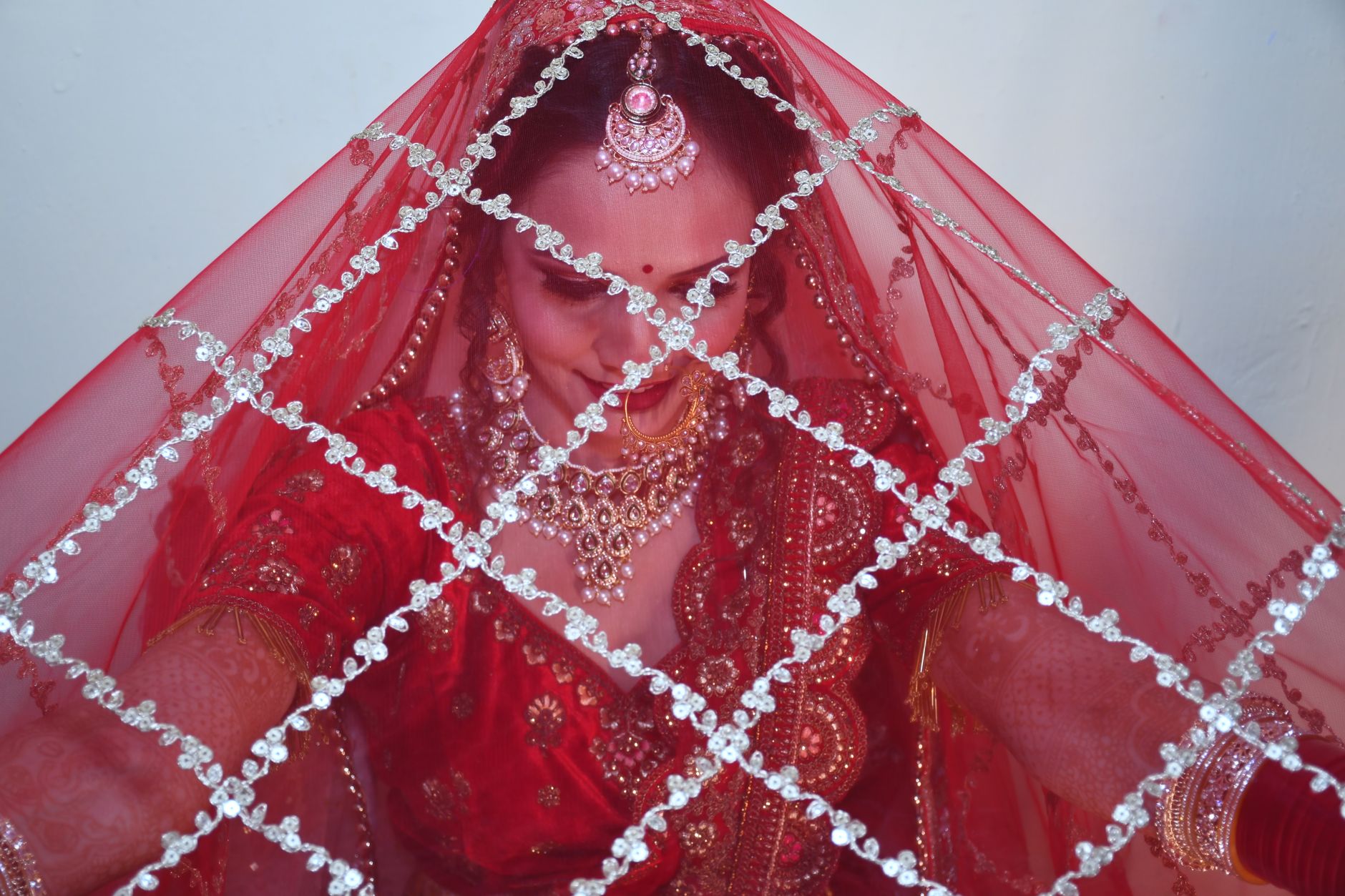
A dupatta is a long, flowing piece of fabric traditionally worn in South Asian cultures. Often draped elegantly over the shoulder or around the body, it serves both a decorative and functional purpose. This versatile accessory can transform an outfit, adding a layer of complexity and class.
The dupatta is not just a fashion statement but also a symbol of cultural heritage. With its roots in ancient India and various adaptations across regions, it reflects a long-standing tradition of modesty and style. Let’s dive deeper into what a dupatta is, its origins, and how to style it for various occasions.
What Is a Dupatta?
A dupatta is essentially a long scarf or shawl that complements traditional Indian outfits, particularly salwar kameez, lehengas, and anarkalis. Typically measuring between two to three meters in length, it can be made from various fabrics like cotton, silk, chiffon, or georgette, often adorned with intricate embroidery or embellishments.
The Origins of the Dupatta
The dupatta’s history dates back thousands of years. In ancient India, garments like the dupatta were worn by both men and women as a symbol of modesty. Over time, the piece became more ornamental, and its styles evolved with cultural and regional influences.
Traditionally, the dupatta was used to cover the head or chest, especially in religious or formal contexts. Today, while it still holds importance in many cultures, it has also become a fashionable accessory that can be styled in numerous innovative ways.
Styling Tips for the Dupatta
When it comes to styling a dupatta, creativity is key. Here are some practical tips to elevate your outfit with this versatile piece.
1. Basic Draping Techniques
- Over the Shoulder: Drape the dupatta over one shoulder, letting it cascade down your arm. This style works well for both casual outings and formal events.
- Around the Neck: Loop the dupatta around your neck, creating a chic and cozy look. This is perfect for cooler weather or less formal occasions.
- Layered Look: For a more dramatic effect, you can layer the dupatta over a fitted outfit, allowing it to flow freely behind you.
2. Color Coordination
When choosing a dupatta, consider the color palette of your outfit. Here are some tips to help you coordinate colors effectively:
- Complementary Colors: Choose a dupatta that features colors from the same family as your outfit. For example, if you’re wearing a blue outfit, a dupatta with a lighter or darker shade of blue can create a harmonious look.
- Contrasting Colors: For a bolder approach, opt for a dupatta that contrasts with your outfit. A vibrant red dupatta over a pastel outfit can make a stunning statement.
- Printed Dupattas: If your outfit is plain, a printed dupatta can add visual interest. Conversely, if your outfit is heavily patterned, choose a solid-colored dupatta to balance the look.
3. Fabrics and Textures
The fabric you choose for your dupatta will significantly affect the overall vibe of your outfit. Here’s a breakdown:
- Cotton: Ideal for casual wear and hot weather, cotton dupattas offer breathability and comfort.
- Silk: Luxurious and elegant, silk dupattas are perfect for festive occasions and formal events.
- Chiffon and Georgette: These lightweight fabrics drape beautifully and are great for layered styling or formal occasions.
4. Occasional Dressing
Another important aspect of styling a dupatta is adapting it to fit various occasions:
- Workwear: For a professional yet stylish look, pair a fitted kurta with a lightweight cotton dupatta.
- Casual Outings: Try wearing a simple salwar kameez with a printed dupatta for a comfortable yet chic appearance.
- Weddings and Formal Events: Go for a heavily embroidered silk dupatta with a lehenga or anarkali. Drape it over your shoulder for an elegant touch.
5. Layering with Outfits
Layering your dupatta can transform a simple outfit into something special. Here are some ideas:
- With Kurtis: Pair a long kurti with a contrasting dupatta draped over one shoulder or wrapped around your arms.
- With Dresses: A dupatta can be thrown over a simple dress to instantly elevate your look, adding an element of sophistication.
- With Shorts or Trousers: To modernize traditional wear, consider tossing a dupatta over shorts or tapered trousers for a contemporary ensemble.
Caring for Your Dupatta
Proper care can extend the life of your dupatta, keeping it looking fresh and vibrant. Here are some guidelines:
- Read the Care Label: Always follow the manufacturer’s instructions regarding washing and drying.
- Hand Wash: Most dupattas, especially those made of delicate fabrics like silk or chiffon, should be hand-washed in cold water with mild detergent.
- Air Dry: Lay your dupatta flat to dry and avoid direct sunlight to preserve the colors.
- Iron with Care: Use a low heat setting if ironing is necessary, and place a cotton cloth between the fabric and the iron to prevent damage.
Seasonal Dupatta Styling
Your choice of dupatta can also reflect the changing seasons. Here are some seasonal styling tips:
- Spring and Summer: Opt for lightweight and breathable fabrics in light colors or floral prints to stay cool and stylish.
- Fall and Winter: Choose heavier fabrics such as silk or velvet in richer colors. Layer them with longer sleeves or jackets for added warmth.
Gender-Inclusive Dupatta Styling
While dupattas are traditionally associated with women’s fashion, they can also be adapted for gender-inclusive styling. Here are some ways to incorporate a dupatta into your wardrobe regardless of gender:
- Street Style: Pair an oversized dupatta with a fitted t-shirt and wide-leg trousers for a laid-back, fashion-forward look.
- Layering with Jackets: Integrate a dupatta as a layering piece over a casual jacket to effortlessly add depth to your outfit.
- Accessories: Use a dupatta as a head wrap or neck scarf to infuse a cultural element into your style without wearing traditional attire.
Outfit Ideas Featuring Dupattas
Let’s explore some complete outfit combinations to inspire your styling. Here are a few impactful looks:
1. Casual Day Out
- White cotton kurta
- Light blue denim jeans
- Printed cotton dupatta in shades of blue
- White sneakers
This combination creates a relaxed vibe perfect for lunch dates or casual outings, where comfort meets style.
2. Workplace Chic
- Black straight-cut salwar
- Pastel color long kurti
- Contrasting beige dupatta
- Black flats or loafers
This outfit is both professional and fashionable, making it great for workplace settings.
3. Formal Event
- Embellished lehenga
- Matching corset top
- Heavy silk dupatta with intricate embroidery
- Sparkling heels
This ensemble is ideal for weddings or celebratory events, showcasing elegance and sophistication.
4. Modern Lounge Look
- Cropped turtleneck sweater
- High-waisted trousers
- Sheer dupatta draped across the shoulders
- Chunky ankle boots
This combination offers a stylish yet comfortable option for a day out with friends or running errands.
Shopping for Dupattas
When shopping for dupattas, consider the following aspects:
- Quality of Fabric: Test the feel of the fabric. Opt for high-quality materials to ensure longevity.
- Versatile Styles: Look for dupattas that can complement multiple outfits in your wardrobe.
- Price: Be mindful of your budget, but remember that investing in a quality dupatta can be worthwhile.
Conclusion
The dupatta is a timeless accessory that transcends just clothing—it encompasses a rich cultural heritage and a vehicle for personal expression. With its versatility in styling options, it can easily adapt to various occasions, seasons, and individual aesthetics.
Now is a great time to experiment with incorporating dupattas into your wardrobe. Whether trying out a casual outfit or preparing for a special event, consider using a dupatta to add that final touch of elegance and flair.
For more outfit ideas, check out what is traditional Indian design or how to wear saree for further style inspiration.