
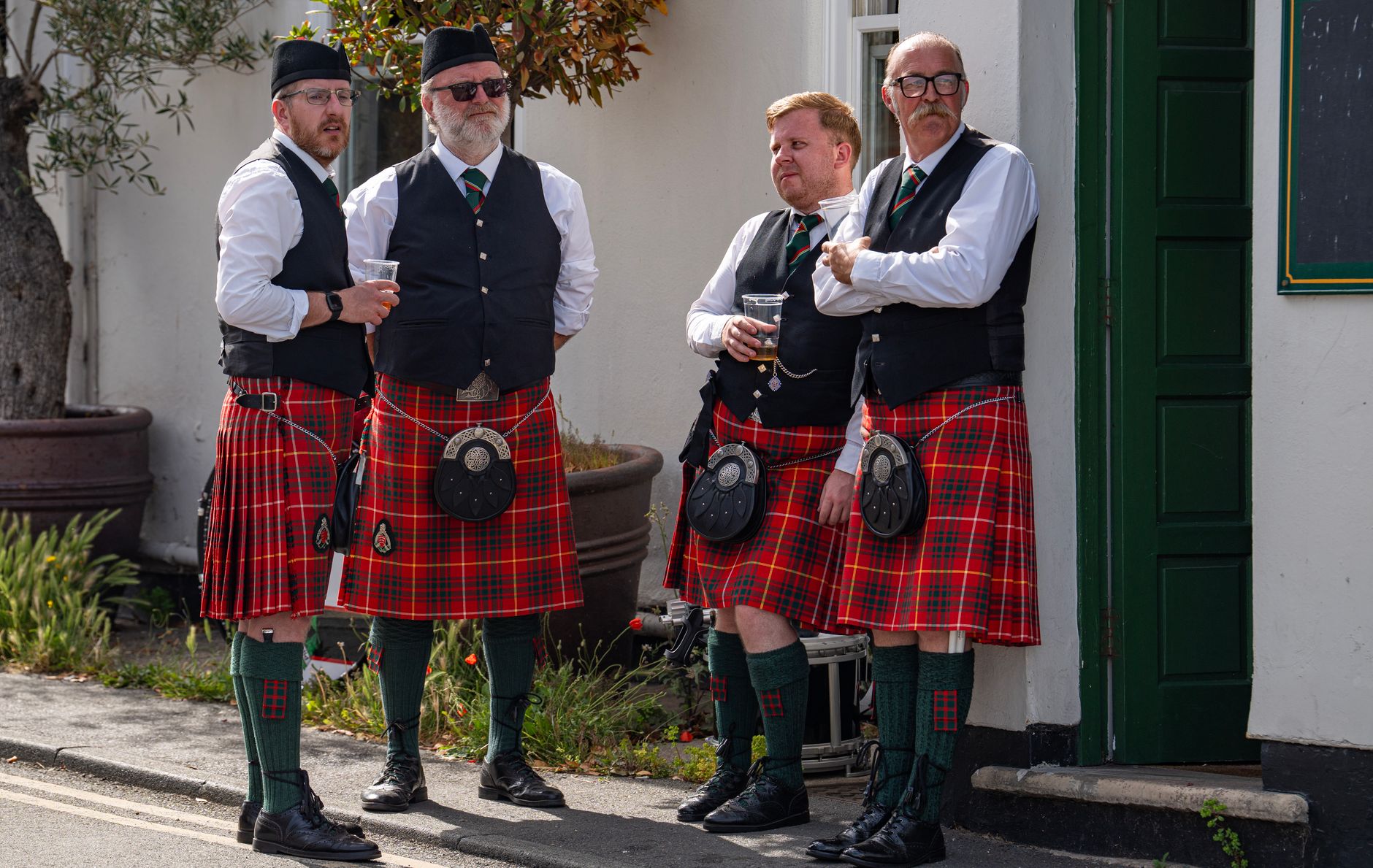
Wearing a kilt can be both a stylish choice and a nod to cultural heritage. This unique garment is often associated with Scotland, but it has gained popularity worldwide as a versatile fashion piece suitable for various occasions. In this article, you will learn how to wear a kilt, plus some easy styling ideas and outfit tips to help you make the most of this iconic piece.
Understanding how to incorporate a kilt into your wardrobe can enhance your personal style while allowing you to express yourself. Whether you’re dressing it up for a formal event or keeping it casual for everyday wear, there are endless possibilities to explore.
How to Wear a Kilt?
To successfully wear a kilt, start by understanding its style, fit, and fabric. Consider your occasion and how to accessorize accordingly. From layering to footwear choices, each aspect plays a vital role in putting together a kilt outfit.
Understanding the Kilt
The kilt is traditionally made from woolen cloth with a tartan pattern. It’s often associated with Scottish culture but can be worn by anyone, regardless of their heritage. Modern kilts come in various styles, including casual, formal, and utility versions, each suitable for different occasions. Here’s a quick look at some key features:
- Tartan Patterns: Tartan is a unique weave pattern, often associated with family or clan identity in Scotland.
- Length: Kilts generally fall around the knee and can vary in length based on personal preference.
- Pleats: The back of the kilt is pleated, allowing for ease of movement, making them comfortable for various activities.
Choosing the Right Kilt
Selecting the correct kilt is essential for both comfort and style. Here are some factors to consider:
- Fit: A well-fitted kilt should sit comfortably at the waist and allow for movement. Look for adjustable straps if you’re unsure about sizing.
- Fabric: Choose fabric based on the season. Traditional wool is great for warmth, while lighter cotton or blends may be preferable in summer.
- Style: Decide between a traditional kilt or a modern utility kilt, which often includes features like pockets and different materials.
Outfit Ideas for Different Occasions
How you style your kilt will depend on the event you’re attending. Below are outfit ideas tailored for various occasions:
Casual Outfits
Casualwear with a kilt can be fun and relaxed. Here’s a combination to try:
- Kilt: A solid-color or subtle tartan kilt in a breathable fabric.
- Top: Pair with a fitted plain t-shirt or a casual graphic tee. A lightweight flannel shirt can also work well.
- Footwear: Choose comfortable sneakers or casual loafers.
- Accessories: Go for a simple watch or bracelet to add a personal touch.
Workwear Outfits
Elevate your kilt for a business casual setting:
- Kilt: A more structured kilt in a subtle tartan or solid color.
- Top: A crisp button-down shirt, preferably in a neutral color, can give a polished look.
- Footwear: Invest in brown or black leather shoes; brogues or oxfords make excellent choices.
- Accessories: A simple leather belt and perhaps a blazer can add formal structure to the outfit.
Formal Occasions
For formal events, style your kilt thoughtfully:
- Kilt: A wedding or ceremonial kilt, often with specific tartan representing a clan or family.
- Top: A tailored waistcoat and dress shirt, with a cravat or bow tie to complete the look.
- Footwear: Opt for polished black dress shoes or Highland brogues.
- Accessories: Consider traditional argyll jackets and sporrans. A few elegant pins can also be nice accents.
Seasonal Dressing
Your styling can change drastically with the seasons. Here are some tips for both warm and cold climates:
Warm Weather
- Opt for a lightweight kilt in breathable fabrics like cotton or a cotton blend.
- Wear short-sleeved shirts or polo shirts to keep cool.
- Sandals or canvas shoes make an excellent footwear choice.
Cold Weather
- Choose a heavyweight wool kilt that provides structure and warmth.
- Layer your look with a thermal turtleneck or a fitted sweater beneath a smart jacket.
- Consider knee-high boots or rugged shoes for added warmth.
Layering Techniques
Layering can add depth and interest to your kilt outfits. Here are some layering techniques:
- Jackets: Lightweight bombers, denim jackets, or tailored blazers can complement the kilt nicely.
- Scarves: A casual scarf can provide warmth in cooler weather and add a pop of color or texture.
- Cardigans: For a cozy look, long cardigans can give an effortless, stylish touch.
Footwear Choices
The right footwear is crucial for completing your kilt outfit. Here are several options to consider:
Casual Shoes
- Sneakers or high-top trainers for a sporty, laid-back look.
- Loafers or brogues for a touch of sophistication without being overly formal.
Formal Shoes
- Classic oxfords, which pair seamlessly with dressy kilts.
- Highland brogues, which often have decorative perforations and come in various styles.
Accessorizing Your Kilt
Accessories can enhance your look and allow for personal expression. Here are some creative ideas:
- Sporrans: This traditional pouch can add character and practical storage.
- Belt and Buckle: A decorative belt can cinch your kilt and provide a touch of elegance.
- Jewelry: Simple bracelets or rings can complement your ensemble without being overpowering.
- Hats: A flat cap or traditional tam o’shanter can complete the outfit for certain occasions.
Caring for Your Kilt
Proper care will ensure your kilt looks great for years to come. Follow these garment care tips:
- Washing: Always consult the care label first. Wool kilts may require professional cleaning, while cotton ones could be machine washable.
- Drying: Avoid direct sunlight and heat; allow the kilt to air dry flat.
- Storage: Store your kilt in a cool, dry place, possibly hung to maintain its shape.
Fashion History of the Kilt
The kilt has a rich history that dates back to the 16th century in Scotland, traditionally worn by men as a symbol of their Scottish heritage. Originally a full-length garment known as the “great kilt,” it was functional, providing warmth and freedom of movement. The kilt has evolved over the centuries, but its significance in Scottish culture remains strong today.
Shopping for the Perfect Kilt
When you’re ready to purchase your kilt, consider the following factors:
- Authenticity: Decide whether you want a traditional kilt or a modern style. Authentic Scottish kilts may be a good investment.
- Budget: Kilts can range in price. Determine your budget ahead of time to avoid overspending.
- Shopping Locations: Check local specialty shops, online retailers, and even secondhand shops for unique pieces.
Conclusion
Styling a kilt is a rewarding experience that allows for broad creativity and self-expression. Whether you’re dressing for a formal event or keeping it casual, the key is to integrate the kilt with thoughtfully chosen pieces. Start experimenting with outfits, layering strategies, and accessories, and you’ll soon feel comfortable and confident in your kilt.
For more outfit ideas, consider exploring our articles about what a kilt is and other insights on how to wear a kilt. Happy styling!