
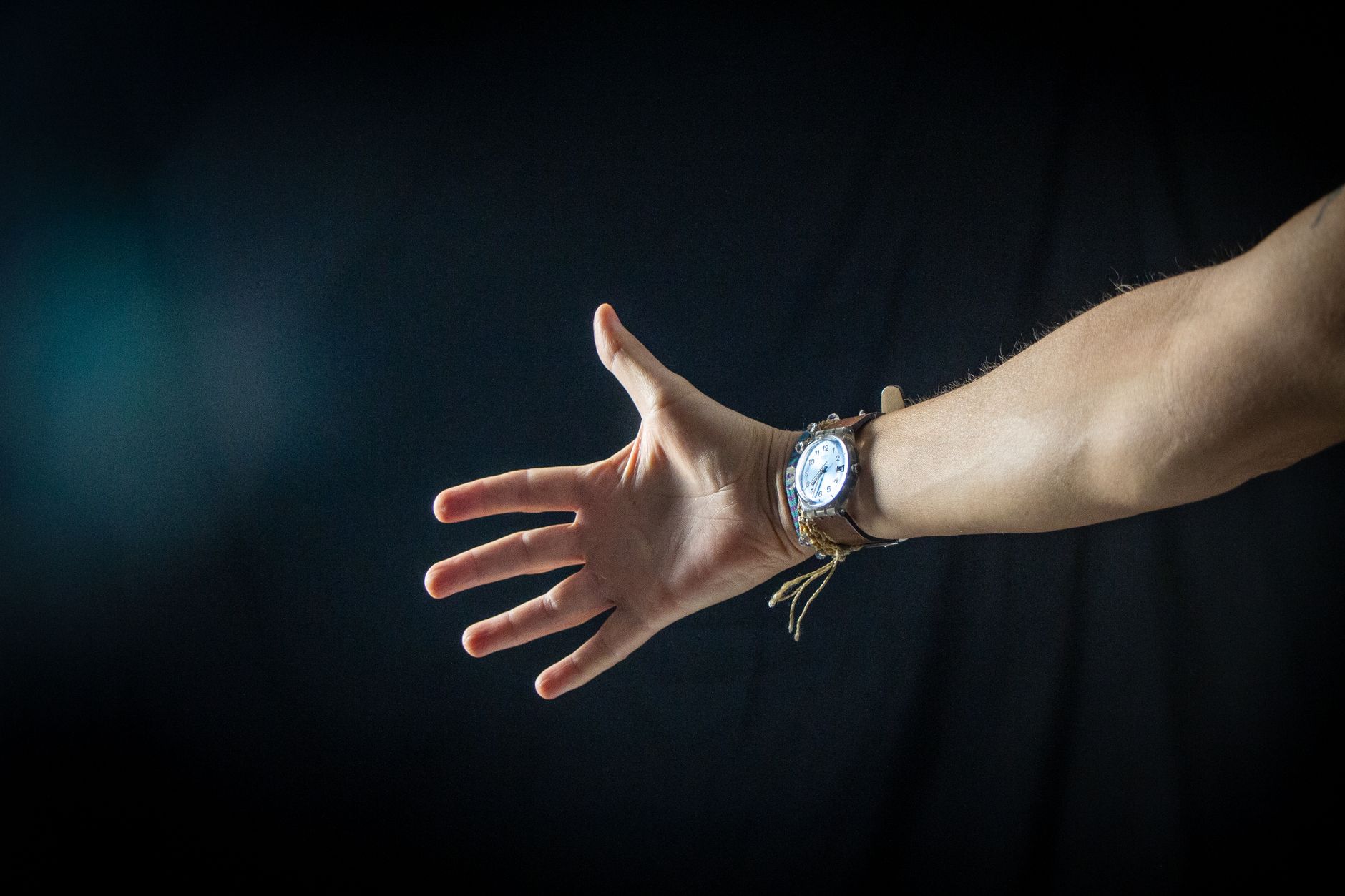
When it comes to wristwatches, positioning is more than just a matter of personal preference; it’s also a reflection of style and practicality. Knowing which wrist to wear a watch on can influence the overall look, function, and wearability of the accessory. This guide explores where men traditionally wear watches, the different styles available, and how to ensure they complement both outfit choices and individual preferences.
Whether you’re dressing for a formal occasion or a casual outing, let’s delve into the details of watch positioning, styles, fit, and care—making it easier than ever to express your unique fashion sense through this timeless accessory.
What Side Do Men Wear Watches?
Men typically wear watches on the wrist opposite their dominant hand, which is usually the left wrist for right-handed individuals and the right wrist for left-handed men. This is done to prevent the watch from getting in the way during daily activities. However, fashion is personal and allowing space for creativity is essential.
While traditional conventions exist, breaking norms can be a powerful expression of individual style. Wearing a watch on a preferred side can make a bold statement, revealing a casual attitude towards fashion rules.
The Importance of Watch Orientation
Wearing a watch on the correct side serves several functions:
- Convenience: Avoids accidental scrapes and scratches from frequent hand movements.
- Visibility: Facilitates easy viewing of the time without excessive wrist movement.
- Style Cohesion: Harmonizes with overall outfit styling, enhancing your personal brand.
Watch Styles and Their Suitability
Watches come in a myriad of styles, each suited to different outfits, occasions, and personal tastes. Here are some popular watch styles and suggestions for their ideal use:
Dress Watches
Characterized by elegance, minimalism, and slender designs, dress watches are ideal for formal events. They are typically made of precious metals and feature understated dials.
- Pair with: A well-tailored suit or a blazer over a dress shirt.
- Occasions: Weddings, corporate events, or fancy dinners.
Casual Watches
Casual watches offer more versatility, combining style and function. They can be chunky field watches, sporty models, or even smartwatches.
- Pair with: Jeans and a casual button-up or a lightweight tee.
- Occasions: Weekend outings, casual Fridays at work, or day trips.
Sport Watches
Designed for durability and functionality, sport watches are often water-resistant and built for physical activities.
- Pair with: Athletic wear, cargo shorts, or activewear.
- Occasions: Gym sessions, outdoor activities, or adventures.
Smartwatches
Smartwatches combine technology with fashion, offering various customizable features from fitness tracking to notifications.
- Pair with: Streetwear, casual outfits, or active gear.
- Occasions: Daily wear, gym, or tech-savvy events.
Achieving the Perfect Watch Fit
The fit of your watch is crucial for both comfort and style. Here are some tips on how to ensure a proper fit:
Understanding Watch Sizes
Watches generally come in a range of sizes, and the right size depends on the size of your wrist. Consider the following:
- Wrist Size: Measure your wrist around the bone. If your wrist is smaller than 6.5 inches, consider watches with a case size of 38mm or less. Larger wrists can comfortably manage 40mm and above.
- Case Thickness: A thicker case can appear more substantial on thinner wrists, while sleek designs work well for larger wrist sizes.
Adjusting the Band
The band’s fit can also make or break your watch’s overall comfort and appearance. Follow these guidelines:
- Adjust the strap so that it fits snugly but allows for a finger to slide between your wrist and the band.
- Choose a band that complements your style, from leather to metal, cloth, or silicone options.
- Consider materials and breathability, especially for sporty or casual styles.
Color Coordination and Outfit Ideas
Coordinating your watch with your outfit’s color scheme can enhance your overall look significantly. Here are tips to help you pair your watch effectively:
Color Matching Tips
- Neutral Tones: Blacks, whites, and greys work with most watch colors, particularly silver and gold.
- Earth Tones: Consider watches in brown leather or bronze metals to accompany deep greens and rich browns.
- Bold Colors: Use watches with vibrant bands or accents to energize playful outfits of light hues.
Seasonal Dressing
Different seasons can call for different styles and watch functionalities:
- Spring/Summer: Opt for lighter materials, like fabric straps or lightweight metals, paired with bright colors.
- Fall/Winter: Darker tones and heavier materials work well; a heavier metal watch complements both formal and casual attire.
Layering Watches with Accessories
Accessorizing with watches requires a delicate balance; here are suggestions for layering:
Wrist Stacking
Stacking multiple pieces can add uniqueness to your look, but keep proportions in mind:
- Combine different textures, for instance, pairing a leather watch with woven bracelets.
- Limit stacks to two or three bracelets to prevent overwhelming the wrist area.
Complimentary Accessories
Consider these wearable pairs:
- Belts: Match the leather of your watch band to your belt for cohesive style.
- Shoes: Coordinate metals on the watch with shoe embellishments for a balanced look.
Care and Maintenance of Watches
Maintaining your watch ensures it remains a long-term companion. Here’s what to keep in mind:
Watch Cleaning
Regular cleaning is necessary to preserve your watch’s aesthetic:
- For fabric or rubber bands, gently scrub with a soft toothbrush and warm, soapy water.
- Metal bands require polishing with a microfiber cloth to prevent scratches.
- Always consult the manufacturer’s instructions for specific cleaning methods based on materials.
Battery and Movement Maintenance
Monitoring your watch’s internal functions is just as crucial:
- Quartz watches may need battery replacements every two to three years.
- Mechanical watches should be serviced periodically, usually every five years, to ensure proper movement.
Fashion History and Cultural Context
Watches have evolved from mere time-telling devices to vital fashion statements. Historically, men wore pocket watches in the 19th century, and wristwatches gained popularity in the early 20th century, especially during wartime.
Cultural significance varies globally, with certain watch brands representing status, craftsmanship, and heritage. Understanding these contexts might influence your purchasing decisions and how you position your watch within your wardrobe.
Shopping for the Right Watch
Knowing what to look for can simplify the search for the perfect watch:
Consider Your Needs
- Think about the occasions you’ll wear your watch to, guiding you toward more formal or casual styles.
- Consider specific features like water resistance and durability, especially for sport and outdoor use.
Try Before You Buy
When purchasing, try on watches to assess comfort and aesthetics:
- Check how the watch aligns with your wrist shape. What feels comfortable on your wrist may vary significantly from another person’s.
- Look for versatility, ensuring it can be styled with various outfits in your wardrobe.
The Modern Approach to Wearing Watches
In today’s fashion world, watches can be as much about style as they are about functionality. Here are some modern considerations:
- Mixing Styles: Don’t shy away from contrasting styles; mixing a classic piece with modern attire can create an eye-catching look.
- Gender-Fluid Styles: Many men and women are embracing watches that defy traditional gender norms, opting for shapes, colors, and functionalities that resonate personally.
Ultimately, the way you wear your watch should be an expression of your personal style. Whether adhering to traditional practices or venturing into unconventional territory, balance practicality with aesthetics to enhance your wardrobe.
As you curate your style, don’t forget that exploring layers, textures, colors, and functions can open up a world of stylish possibilities. Now is the perfect time to try an outfit combination featuring your favorite watch or assess how it fits with your existing pieces.
For additional tips on watch placement or specific outfit inspiration, explore related styles or care techniques in our guides. Discover how to make the most of your accessories and enrich your fashion knowledge.