
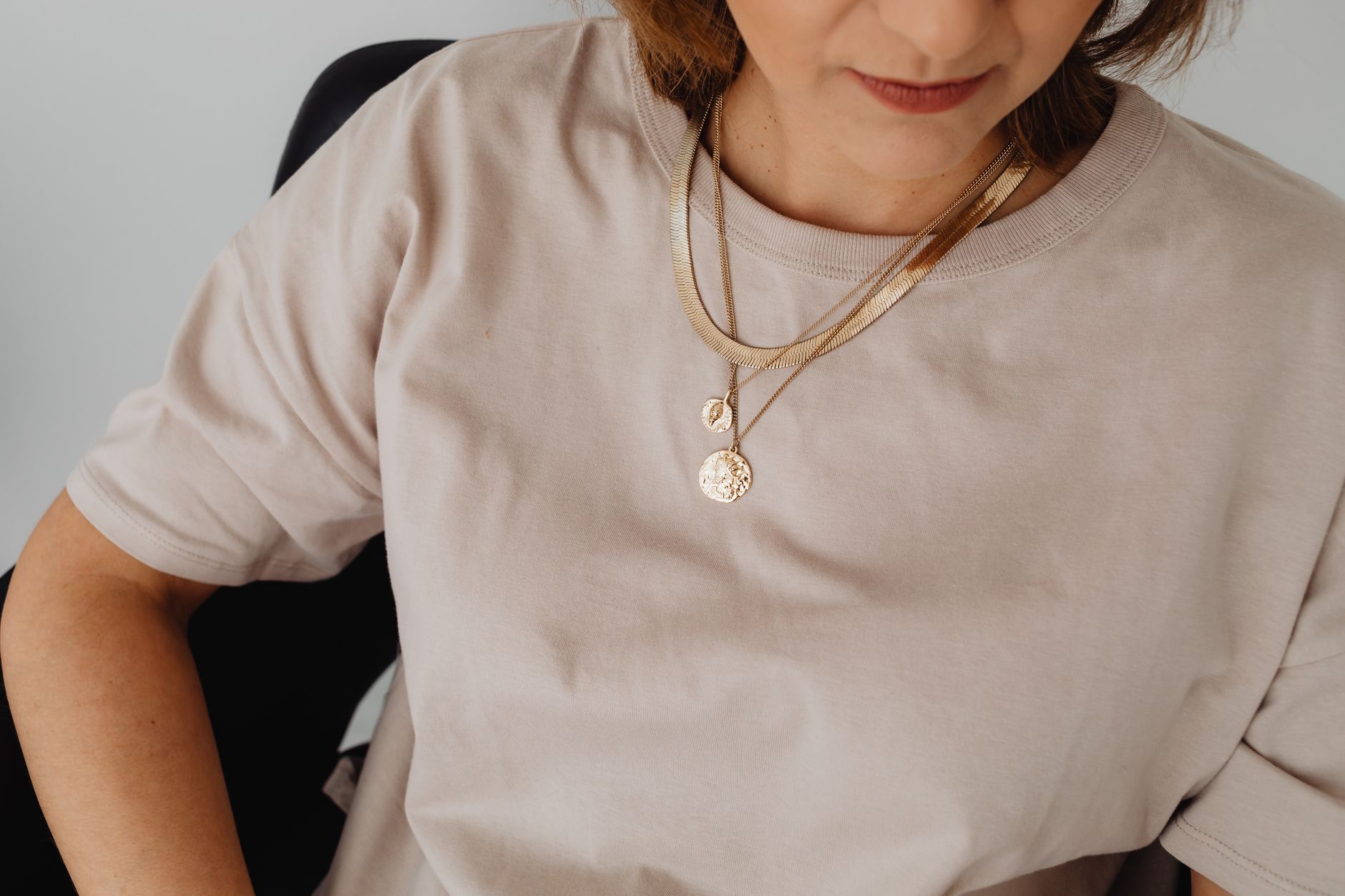
Wearing jewelry can enhance your style, express your personality, and complete any outfit. From delicate pieces that whisper elegance to bold statements that command attention, understanding how to wear jewelry effectively can elevate your overall appearance. This guide will delve into the meaning, etiquette, and style tips you need to navigate the world of jewelry with confidence.
Whether you’re dressing for a casual outing, a formal event, or a day at the office, knowing how to coordinate your jewelry is essential. Let’s explore the multifaceted ways you can wear jewelry to complement your wardrobe and enhance your personal style.
How to Wear Jewelry?
Wearing jewelry involves choosing pieces that suit your outfit, occasion, and individual style. It’s important to consider factors like proportions, color coordination, and the overall aesthetic of your look for a harmonized effect. Understanding these principles can help you effortlessly incorporate jewelry into your outfits.
The Meaning of Jewelry
Jewelry serves multiple purposes beyond mere decoration. Traditionally, it has symbolized status, identity, and personal milestones such as love and commitment, seen in engagement rings, for example. Today, it can also express individual style and emotions, creating a personal connection to the pieces you choose to wear.
Jewelry Etiquette
Understanding the etiquette of wearing jewelry ensures that you make a polished impression while expressing yourself. Here are some essential guidelines to consider:
- Occasion-appropriate pieces: Wear jewelry that aligns with the event. For example, intricate or bold pieces may suit formal gatherings, while simpler styles work for casual outings.
- Noise level: If you’re wearing larger or dangle earrings, be mindful to keep the noise they make to a minimum. Avoid heavy bangles at professional meetings where distractions should be avoided.
- Personal significance: Consider wearing jewelry that has personal meaning, such as family heirlooms or gifts from loved ones. This adds depth to your ensemble.
- Layering: When layering jewelry, aim for balance. Mixing bold pieces with delicate ones can create an eye-catching look, but too many statement accessories can clash.
Choosing Jewelry Based on Occasion
Your jewelry selection should reflect the occasion. Here are some tips for various settings:
Casual Wear
For everyday outfits, choose simple and comfortable jewelry. Options include:
- Stud earrings: These offer a subtle touch without overwhelming your look.
- Stacked rings: Mix and match different styles. A combination of textures can add interest.
- Delicate necklaces: Layering thin chains can create a modern aesthetic.
These pieces can easily be combined with a pair of jeans and a t-shirt, making them fantastic for brunch or a casual day out.
Workwear
For a professional setting, opt for jewelry that conveys sophistication. Consider the following:
- Classic wristwatches: A well-chosen watch can display professionalism and punctuality.
- Pearl earrings: Timeless and versatile, they can complement any ensemble.
- Simple bracelets: Leather or delicate metal bracelets can enhance your look without distraction.
Formal Events
At formal gatherings, such as weddings or galas, you want to make a statement with your jewelry. Here are a few options:
- Chandeliers or statement earrings: These can add drama and draw attention to your face.
- Bold necklaces: A dramatic piece can be the focal point of your outfit.
- Statement rings: One standout ring can be an incredible conversation starter.
Special Occasions
Some events may have specific codes (like costume parties) or themes. In those cases, feel free to get creative. Incorporate costume jewelry, vintage pieces, or items from specific genres (bohemian, retro, etc.) that suit the tone of the gathering.
Layering Jewelry
Layering jewelry can create a sophisticated and personalized style. Here’s how to do it effectively:
- Vary lengths: To avoid clutter, choose necklaces of varying lengths. Begin with your shortest chain and gradually increase the length of each subsequent piece.
- Mix materials: Combine metals and textures. Pairing gold with silver or mixing leather and metal creates visual interest.
- Balance the proportions: If you choose a statement necklace, keep the earrings simple. Conversely, if your earrings are bold, opt for a dainty necklace.
Color Coordination
Color plays a critical role in how jewelry can enhance your outfit. Here’s how to approach color coordination:
Complementary Colors
Choose jewelry that complements your outfit’s color palette. Here are several approaches:
- Monochromatic looks: Wear jewelry of similar hues as your clothing for a sleek appearance.
- Contrasting colors: Boldly contrasting jewelry colors can create a striking effect. For example, turquoise jewelry pairs well with coral outfits.
- Neutrals: Metallics, blacks, or whites can blend well with any color palette and provide continuity.
Textures and Patterns
Don’t shy away from mixing different textures. For instance:
- Matte versus shiny: Pair matte-finished jewelry with shiny outfits or textiles to provide dimension.
- Natural materials: Wood or stone jewelry works well paired with denim or loose cottons for a relaxed vibe.
- Patterned clothing: Simple jewelry can help ground an intricate outfit while allowing it to shine.
Seasonal Dressing with Jewelry
Adapting your jewelry to seasonal trends can breathe new life into your outfits. Here’s how:
Spring and Summer
In warmer months, opt for lighter and more playful accessories. Consider:
- Colorful beads: Brightly colored or floral-themed jewelry adds freshness.
- Lightweight pieces: Choose airy materials like resin or natural fibers for comfort.
- Layered anklets: Perfect for showcasing your summer sandals.
Fall and Winter
Certain styles and materials can amplify your looks in colder months. Try these:
- Chunky knits and oversized jewelry: A balance between texture and size keeps the look cohesive.
- Rich metals: Golden or bronze pieces can complement warm colors like mustard, burgundy, and evergreen.
- Statement scarves with brooches: Using brooches or pins can add personality to an otherwise simple scarf.
Jewelry for Different Genders
Jewelry is no longer limited by traditional gender norms. Here’s how to embrace it across the spectrum:
- Unisex styles: Look for jewelry designed to be worn by everyone. Chains, beaded bracelets, and leather cuffs are excellent for all.
- Layering: Layering can be an excellent way for everyone to showcase their unique style. Mix heavy pieces with light ones across the gender spectrum.
- Engage with your collection: Take pleasure in selecting pieces that resonate with your personal aesthetic, regardless of traditional gender barriers.
Common Styling Difficulties
Styling can sometimes be tricky. Here are some common dilemmas and solutions:
How to Choose the Right Jewelry for Necklines
Neckline shapes significantly affect jewelry choices:
- V-neck: Pendant or drop necklaces can elongate your profile.
- Round neckline: Opt for collar or choker necklaces to fill in the space.
- Off the shoulder: Statement earrings shine with this neckline, as it allows the neck and shoulders to show off.
Mixed Metal Combinations
Wearing different metals can be intimidating. Here’s how to do it:
- Mix and Match intentionally: Start with a base metal (like gold) and layer in silver or rose gold pieces.
- Balance the weight: If you wear a larger gold piece, balance it with smaller silver items.
Choosing Jewelry that Matches Your Outfit
This is sometimes a matter of trial and error. Here are easy tips:
- Neutral outfits: Bold or colorful pieces can make a statement against a solid background.
- Busy patterns: Opt for subtle and minimalist pieces that won’t compete for attention.
Jewelry Care and Maintenance
Keeping your jewelry in excellent condition is essential for longevity. Follow these care tips:
- Regular cleaning: Use gentle soap and a soft cloth for metal pieces, and avoid soaking unless specified.
- Storage: Store items separately in a fabric-lined box or pouch to prevent scratches and tangles.
- Check clasps: Regularly inspect clasps and connections to avoid losing pieces.
Shopping for Jewelry
When adding to your collection, be mindful of certain aspects to ensure thoughtful purchases:
- Materials: Consider the quality and materials of each piece. Is it sterling silver, gold-plated, or costume jewelry? This can affect durability and care.
- Versatility: Choose pieces that offer versatility and can be dressed up or down easily.
- Budget: Stay within your budget while looking for unique pieces that stand out in your collection.
Conclusion
Understanding how to wear jewelry is all about personal choice, proportion, and occasion. Don’t hesitate to experiment, mix, and match until you find what feels right for you. A well-chosen piece can perfectly punctuate your outfit, so start creating unique looks with confidence!
For more inspiration, try exploring outfit combinations using statement necklaces or see how to incorporate pearls into your everyday attire.