
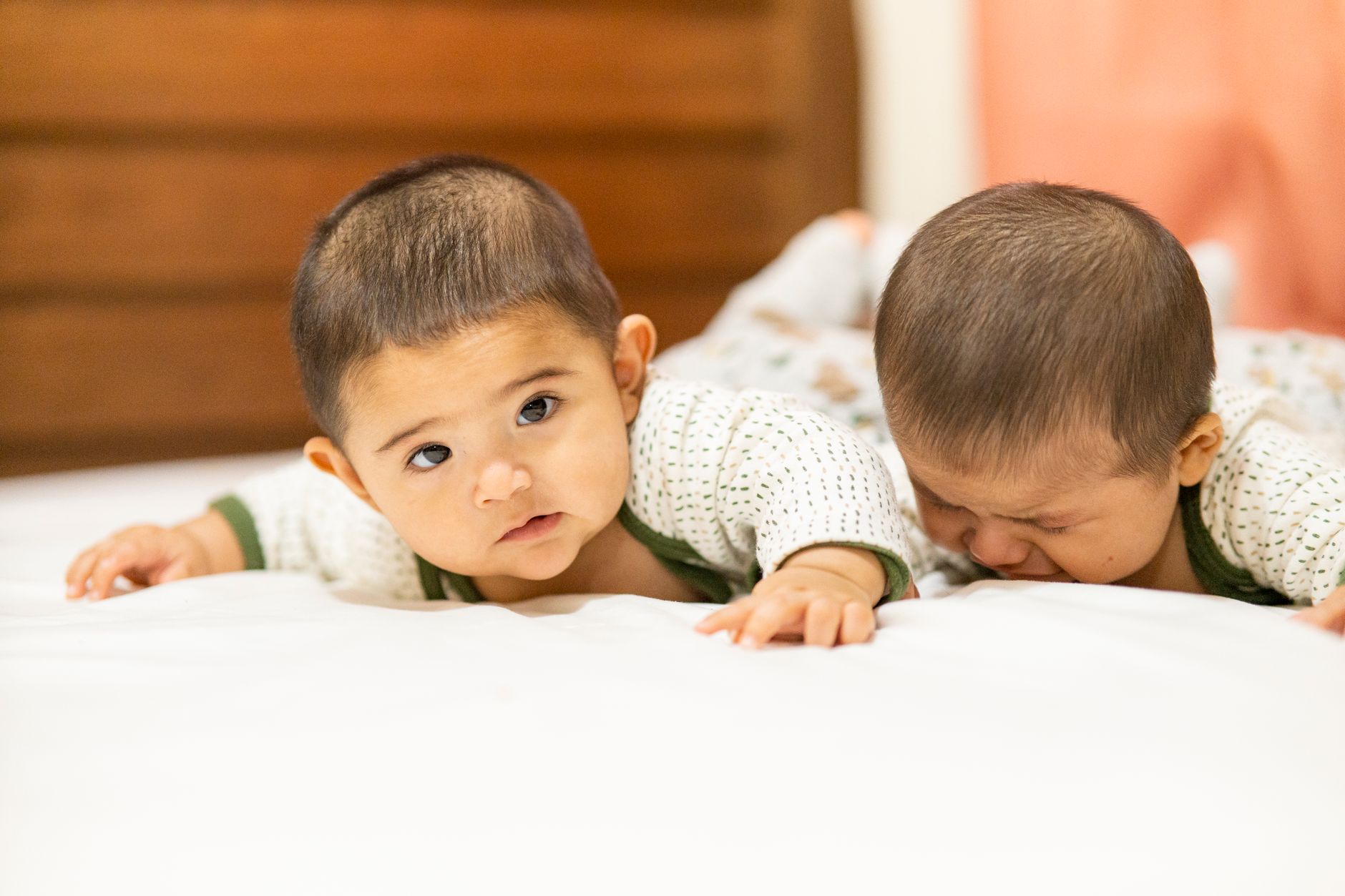
Choosing the right sleepwear for your baby can make a significant difference in their comfort and safety. The ideal outfit balances warmth, breathability, and ease of use, ensuring that your little one sleeps soundly throughout the night. Understanding the variety of sleepwear options available can help you select the best choices for your baby’s needs.
This guide will explore what baby should wear to sleep, coming up with outfit ideas, styling tips, and practical advice to help you make informed decisions regarding nighttime attire for your baby.
What Should Baby Wear to Sleep?
When considering what your baby should wear to sleep, prioritize factors such as temperature control, ease of dressing and undressing, and the material of the clothing. Opting for lightweight and breathable fabrics can prevent overheating, while layering can help regulate body temperature.
Understanding Fabric Choices
The fabric of your baby’s sleepwear is crucial for comfort and safety. Here are some popular fabric options and their benefits:
- Cotton: Soft, breathable, and gentle on the skin, cotton is an excellent choice for warm climates. Look for organic cotton to avoid harmful chemicals.
- Bamboo: Natural, hypoallergenic, and moisture-wicking, bamboo fabric is perfect for sensitive skin and helps regulate temperature.
- Fleece: Ideal for colder months, fleece provides warmth without adding bulk, but ensure it is breathable to avoid overheating.
- Muslin: Lightweight and breathable, muslin can be an excellent option for swaddling or as a light sleep sack during warmer nights.
Outfit Ideas for Baby Sleepwear
Below are various outfit ideas for dressing your baby for sleep based on different fabric types and seasonal variations.
Warm Weather Sleep Options
- Short-Sleeve Bodysuit: A breathable cotton or bamboo short-sleeve bodysuit helps keep your baby comfortable on hot nights. These bodysuits snap at the bottom for easy diaper changes.
- Lightweight Sleepsack: Swaddle your infant in a light, breathable sleepsack made from cotton or muslin. This can replace loose blankets, keeping your baby warm while minimizing suffocation risks.
- Light PJ Set: For older babies, a lightweight pajama set—shorts and a short-sleeve top—is comfy and functional. Pair this with cotton or bamboo material to promote airflow.
Cool Weather Sleep Options
- Footed Pajamas: A soft, long-sleeve sleep suit with footies keeps your baby warm and snug. Look for options that feature zippers for convenience during nighttime changes.
- Layering with a Sleep Sack: Use a thin cotton onesie as a base layer under a thicker fleece or knitted sleep sack for additional warmth without overheating.
- Long-Sleeve Bodysuit with Leggings: Combine a long-sleeve bodysuit with lightweight leggings for a cozy outfit that provides flexibility and warmth.
Layering for Temperature Control
Layering is essential for adjusting to fluctuating nighttime temperatures, as babies can easily get too hot or too cold. Here are tips for effective layering:
- Start with a base layer, like a cotton bodysuit or a long-sleeve shirt, which allows for easy removal if your baby gets too warm.
- Add a second layer such as a sleep sack or a quilted pajama set for cooler nights, ensuring the outer layer has good moisture control.
- Monitor your baby’s temperature regularly. A good indication that your baby is too warm is if their neck feels sweaty or warm to the touch.
Choosing the Right Fit
Ensuring your baby’s sleepwear fits properly not only enhances comfort but also safety. Here’s what to consider regarding fit:
- Avoid Tightness: Sleepwear should not be too tight, as this can restrict movement and cause discomfort.
- Length and Coverage: Make sure the fabric covers the baby’s arms and legs appropriately to provide warmth without restricting movement.
- Ease of Dress: Zippers, snaps, and stretchy fabrics make dressing and undressing easier, essential for those late-night diaper changes.
Safety Considerations
Safety is paramount when dressing your baby for sleep. Ensure you follow these guidelines:
- Choose sleepwear made from flame-resistant materials or snug-fitting options. This adheres to safety regulations and minimizes fire risks.
- Avoid loose blankets and pillows to reduce the risk of suffocation. Instead, use sleep sacks or fitted sheets to keep your baby safe.
- Keep the sleep environment at a comfortable temperature, ideally between 68°F and 72°F (20°C to 22°C), to prevent overheating.
Common Styling Difficulties and Solutions
Here are some common styling challenges you may face when dressing your infant for sleep, along with solutions:
- Problem: Baby refuses to wear certain fabrics.
Solution: Allow your baby to explore different materials before bedtime so you can identify their preferences early on. - Problem: Frequent diaper leaks and nighttime changes.
Solution: Invest in sleepwear with built-in diapers or a quick-access design like zippers instead of snaps. - Problem: Baby gets too hot during the night.
Solution: Switch to lighter fabrics or layer down to help regulate their temperature.
Garment Care for Baby Sleepwear
Proper garment care is essential for maintaining the longevity and safety of your baby’s sleepwear. Here are care tips to follow:
- Always follow the care instructions on the label. Most baby sleepwear should be machine-washed cold and tumble-dried on low heat.
- Avoid using fabric softeners or harsh detergents, as these can irritate your baby’s sensitive skin. Opt for gentle, hypoallergenic options instead.
- Inspect the sleepwear regularly for any signs of wear and tear, such as broken zippers, unraveling seams, or fading colors.
Seasonal Dressing Tips
Adapting your baby’s sleepwear based on the season is vital for their comfort. Here’s how to adjust for varying weather:
Spring
In spring, temperatures can fluctuate. Light cotton layers are suitable during warmer days, while adding a lightweight sleep sack in cooler evenings can help maintain comfort.
Summer
For hot summer months, prioritize short-sleeve onesies or lightweight pajamas made from breathable fabrics. Keep the sleep environment cool and avoid heavy blankets.
Fall
Fall evenings can be chilly, so you may want to start layering a long-sleeve bodysuit under a sleep sack or fleece pajamas to keep your baby warm during the night.
Winter
During winter, opt for fleece footed pajamas or layered outfits that keep your baby warm. Be sure to choose sleepwear designed for warmth but remains breathable.
Accessorizing Baby Sleepwear
While accessories are limited for sleepwear, consider the following:
- Soft Hats: A lightweight, breathable hat can help keep your baby warm during colder nights but be cautious not to let it cover their face while sleeping.
- Cozy Mittens: Mittens prevent scratching, and lightweight ones keep hands warm without overheating.
Practical Tips for Sleepwear Shopping
Finding the right sleepwear for your baby can be overwhelming with so many options available. Consider these practical shopping tips:
- Start by assessing your baby’s needs and preferences regarding fabric and fit to narrow down your choices.
- Opt for sleepwear that grows with your baby, such as adjustable designs or pieces that allow for movement.
- Check reviews and fabric descriptions for comfort, durability, and safety standards before purchasing.
Preparing for Sleep: A Bedtime Routine
Incorporating a simple bedtime routine may help your baby transition into sleepwear comfortably. Here’s a straightforward nighttime routine to consider:
- Begin with a cozy bath to soothe and relax your baby’s body.
- Dress them in the chosen sleep attire, ensuring the fit is comfortable and appropriate for the temperature.
- Read a short story or softly sing a lullaby to signal that it’s time for sleep.
- Gradually dim the lights to create a calming environment conducive to sleep.
By thoughtfully selecting your baby’s sleepwear and considering their unique needs, you’ll set the stage for a peaceful night’s rest. Whether it’s a cozy sleepsack for the winter or a short-sleeve bodysuit for summer, the right outfit makes all the difference.
Explore more related outfit ideas, styling tips, or fashion guides to keep your baby’s wardrobe fresh and suitable year-round. Whether you’re searching for seasonal essentials or looking to understand fabric choices, enhancing your baby’s style can be as easy as knowing the right garments to select for different occasions.